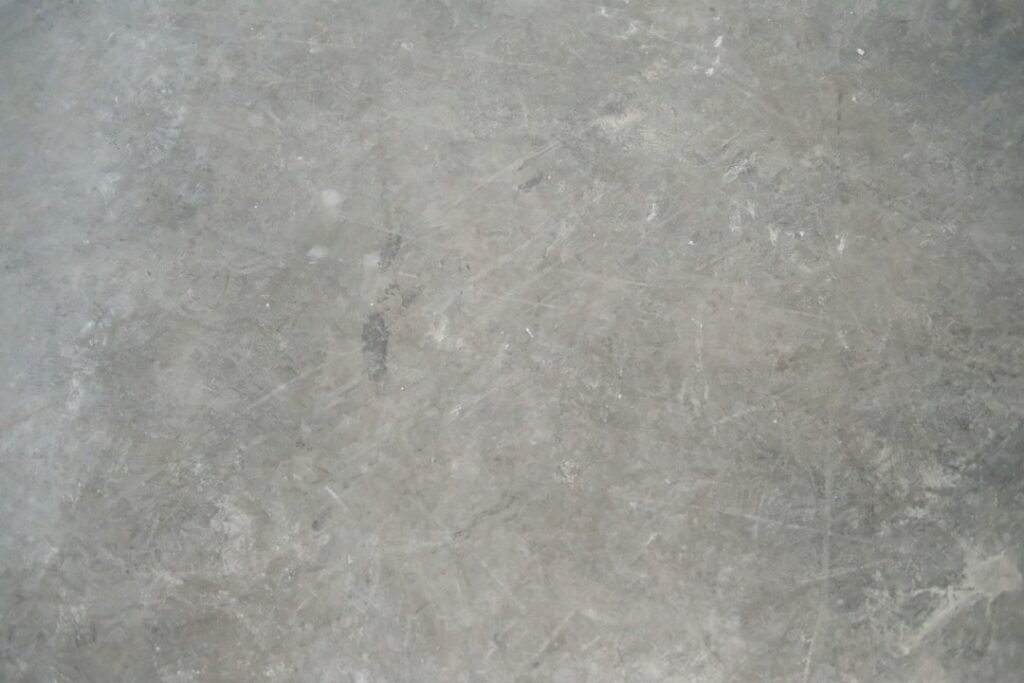
Plain gray concrete is the flooring equivalent of a blank wall, and it does not have to be your only option. A colored concrete patio brings warmth, character, and the look of far pricier materials like flagstone or clay pavers for a fraction of the cost. The color can be mixed into the concrete itself, applied on top after it cures, or layered for depth. Understanding which method suits your project is the difference between a patio you love for 25 years and a faded slab you regret by year three.
Part of our Decks & Outdoor guide — explore the full guide →
Three Ways to Color Concrete
Coloring happens at one of three stages, and each produces a different look and durability. Integral color is mixed into the wet concrete before the pour. Acid stains and water-based stains are applied to cured concrete and react with or penetrate the surface. Dyes deliver the most vivid, uniform tones but need protection from UV outdoors. Knowing these upfront keeps your expectations grounded.
Integral Color
A pigment is added to the concrete mix so the color runs all the way through the slab. Because it is not just a surface layer, chips and wear are far less noticeable. Expect earthy, muted tones such as tan, terracotta, and slate. Integral color typically adds $2 to $4 per square foot over plain concrete, and it pairs well with a second surface treatment for contrast.
Acid and Water-Based Stains
Acid stains react chemically with the lime in cured concrete to create mottled, variegated color that mimics natural stone. No two slabs come out identical, which is exactly the appeal. Water-based stains offer a wider palette, including blues and greens, with more predictable coverage. Stains run $2 to $6 per square foot installed and can transform an existing gray patio without a tear-out.
What a Colored Concrete Patio Costs
Pricing depends on the method and how decorative you go. Here is a realistic breakdown for a professionally installed patio in most US markets:
- Integral color, broom finish: $8 to $12 per square foot
- Single stain color, sealed: $10 to $14 per square foot
- Stamped and colored to mimic stone or brick: $14 to $20 per square foot
- Multi-color, stenciled, or scored designs: $18 to $28 per square foot
For a common 300-square-foot patio, that puts a mid-range colored and sealed slab around $3,300 to $4,200. Coloring an existing slab with stain is dramatically cheaper since you skip demolition and the base pour entirely.
Choosing a Color That Ages Well
Bold colors photograph beautifully and disappoint slowly. Bright red and deep charcoal look striking on install day but show efflorescence, dust, and UV fade far more obviously than mid-tone earth colors. My advice to homeowners: pull your palette from the fixed elements around the patio. Match the undertone of your brick, your roof shingles, or the local stone, and the patio will read as intentional rather than trendy.
Always test your color on a sample area or a spare piece of the same concrete. Pigment looks dramatically different wet versus cured, and cured versus sealed. A sealer alone can darken color by 30 percent or more, so the swatch you approve should be sealed exactly the way the final surface will be.
Surface Finishes That Change the Look
Color is only half the story; texture carries the rest. A broom finish gives slip resistance and a casual feel. A trowel-smooth finish reads modern but gets slick when wet. Exposed aggregate reveals the stone in the mix for a pebbled, high-traction surface. Stamping presses a texture mat into fresh concrete to imitate slate, wood plank, or cobblestone, and it looks best when a base color and a darker accent release color are combined.
Sealing and Long-Term Care
Sealer is not optional on a colored patio; it is what keeps the color from fading and the surface from staining. Outdoors, a penetrating sealer or a UV-stable acrylic is the standard. Plan to reseal every 2 to 3 years, more often in full-sun or high-traffic areas. A gallon of quality solvent-based acrylic sealer covers roughly 200 square feet per coat and costs $30 to $60.
Day-to-day maintenance is simple. Sweep debris, rinse with a hose, and wash with mild soap and water a couple times a year. Skip harsh acids and de-icing salts, which eat pigment and pit the surface. If the finish starts looking dull, that is your cue to reseal, not to replace.
Common Mistakes to Avoid
The failures I get called to fix almost always come from rushing. Pouring color in inconsistent batches produces blotchy slabs, so keep pigment ratios identical bag to bag. Sealing before the concrete has fully cured, usually 28 days, traps moisture and causes a cloudy white haze. And skipping a control-joint plan leads to random cracks that cut straight through your nice new color.
One more: never let stain or dye dry unevenly on a hot day. Work in shade or during cooler morning hours so the product penetrates uniformly instead of flashing off at the edges.
Is a Colored Concrete Patio Worth It?
For most homeowners, yes. A well-executed colored concrete patio delivers the look of natural stone or brick pavers at roughly half the cost, with a single monolithic surface that resists weeds and shifting. The upfront investment is modest, the design flexibility is enormous, and with a reseal every few years it holds its good looks for decades. Match your color to the home, respect the cure time, and stay on top of sealing, and you will have an outdoor floor that earns its keep season after season.