
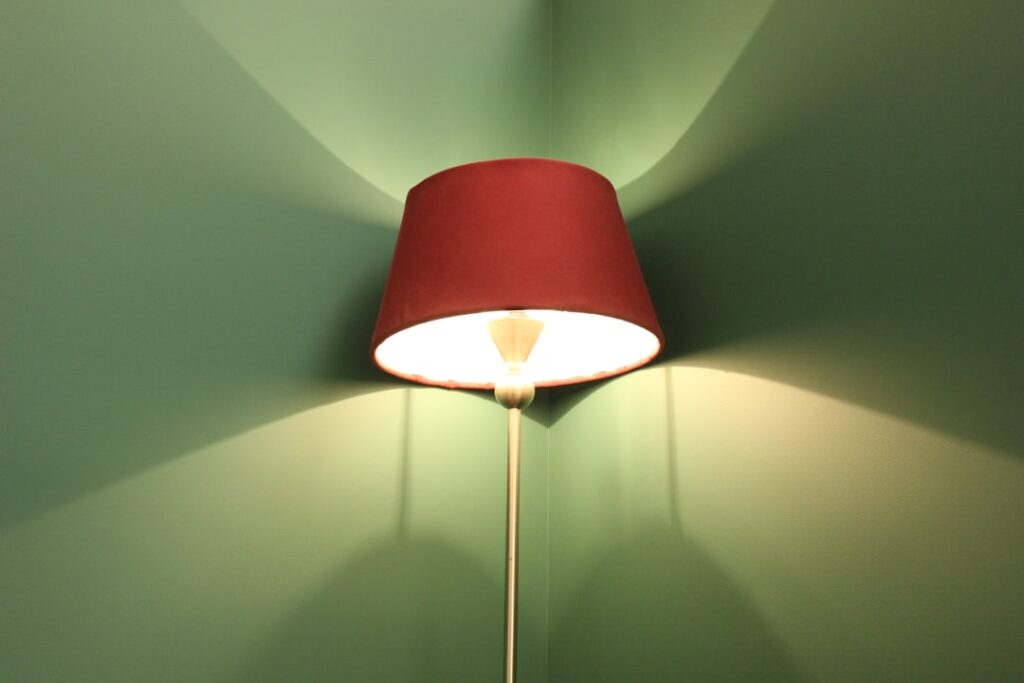
A colorful floor lamp is one of the easiest ways to inject personality into a room without repainting walls or buying new furniture. Standing tall and free, it delivers both function and flair, casting useful light while doubling as a sculptural accent that draws the eye. Whether you want a bold pop of red beside a neutral sofa or a soft pastel glow in a reading nook, the right lamp can transform the mood of a space in minutes.
This guide walks through the styles available, how to pick a color that works with your decor, what to consider for bulbs and brightness, and where to place your lamp for the best effect.
Why Choose a Colorful Floor Lamp
Color carries weight in a room. A vivid lamp shade or a painted metal base introduces an accent hue that ties together pillows, rugs, and artwork, giving the eye a focal point. Because a floor lamp stands at human height, its color reads clearly from across the room in a way a small table accessory never could.
Beyond looks, these lamps are practical. They light corners that ceiling fixtures miss, supply task lighting for reading or crafts, and can be moved when you rearrange. For renters especially, a statement lamp is a commitment-free way to express style, since it leaves with you when you go.
Popular Styles and Silhouettes
Floor lamps come in several recognizable shapes, and color can play a role in any of them. Knowing the silhouettes helps you match the lamp to the job and the room.
- Arc lamps: A long curved arm that reaches out over a sofa or chair, great for reading without a side table.
- Torchiere lamps: Direct light upward for soft, ambient glow, ideal in living rooms.
- Tripod lamps: Three splayed legs give a mid-century or modern look, often in painted or stained finishes.
- Task or reading lamps: An adjustable head focuses light where you need it for desks and nooks.
- Tree or multi-light lamps: Several shades on one pole, perfect for layering color and light.
Within each style, color shows up in the shade, the base, the pole, or all three, so you can choose a subtle touch or a full statement piece.
Choosing the Right Color for Your Room
Picking a hue is part design, part instinct. A reliable approach is to let the lamp echo an accent already in the room rather than introducing a totally unrelated color. If your throw pillows are teal, a teal-shaded lamp pulls the scheme together.
Consider the effect you want. Warm colors like red, orange, and mustard energize a space and feel cozy, which suits living rooms and dens. Cool tones such as blue, green, and lavender calm a room, making them a fine choice for bedrooms and reading corners. Against a neutral backdrop of white, gray, or beige walls, almost any saturated lamp color will sing. In an already bold room, a softer or metallic-tinted lamp may balance better than another loud note.
Bulbs, Brightness, and Light Quality
The bulb you choose shapes how the lamp’s color and the room itself appear. LED bulbs are the practical default today: they run cool, last for years, and come in a range of color temperatures. For a warm, inviting glow, look for a temperature around 2700K to 3000K. For task lighting where you want crisp visibility, a slightly cooler bulb near 3500K to 4000K works well.
Match brightness to purpose. Ambient lighting can be modest, while reading or crafting calls for more output. Many homeowners add a dimmer or a smart bulb so a single colorful floor lamp can shift from bright task light to a relaxed evening mood. Always check the lamp’s maximum wattage rating and follow the manufacturer’s guidance to stay safe.
Placement Tips That Maximize Impact
Where you set the lamp matters as much as which one you buy. A few placement habits make a colorful piece shine.
- Tuck an arc or tripod lamp beside a sofa or armchair to create a reading zone.
- Use a torchiere in a dim corner to bounce light off the ceiling and brighten the whole room.
- Position the lamp where its color is visible from the main seating area, not hidden behind furniture.
- Keep the cord near an outlet and route it safely so it is not a trip hazard.
- Balance the room by placing the lamp opposite another visual anchor, such as a window or a piece of art.
Step back and view the room from the doorway after placing the lamp. A small shift of a foot or two can change how the color reads against the wall behind it.
Materials and Build Quality
A lamp earns its keep over years of use, so build quality matters. Metal bases and poles feel sturdy and resist tipping, while a weighted foot adds stability on hard floors. Fabric shades soften and tint the light, whereas glass or acrylic shades give a crisper, brighter cast of color.
Inspect the switch, the socket, and the cord before you commit. A smooth-turning switch and a generously long cord make daily life easier. If you have young children or pets, favor a heavier, low-center-of-gravity design that resists being knocked over.
Care and Safety
Keeping a colorful floor lamp looking sharp is simple. Dust the shade and base regularly, since grime dulls vivid colors over time. Wipe painted metal with a soft, slightly damp cloth and dry it promptly. Always unplug the lamp before changing a bulb or cleaning around the socket.
Stay within the rated wattage, keep shades away from anything flammable, and replace a frayed cord rather than taping it. Following these basics keeps your statement piece both beautiful and safe for the long haul.
Final Thoughts
A colorful floor lamp is a small investment that delivers big personality. By matching the style to your needs, choosing a hue that complements your decor, pairing it with the right bulb, and placing it thoughtfully, you can light your space and elevate its look at the same time. Take your time selecting one that fits your room and your taste, and you will enjoy both the glow and the splash of color for years.
Prefer to explore on your own?
See how new flooring looks in your actual room in seconds — free, no signup.
Try the free Floor Studio →

