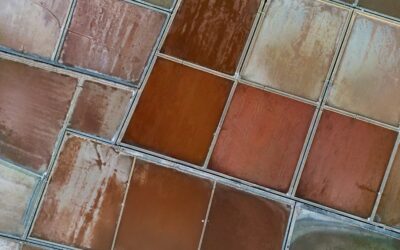
Few materials add instant warmth to a kitchen the way copper does. A copper tile backsplash brings a glowing, metallic richness that complements wood cabinets, softens stainless appliances, and turns a plain wall into a focal point. Whether you want the bright shine of new copper or the deep, mottled patina of an aged finish, copper offers a look that few other backsplash materials can match.
Part of our Kitchen Remodeling guide — explore the full guide →
This guide covers the tile types you will find, how copper changes over time, what installation involves, realistic pricing, and the maintenance that keeps it looking its best. Use it to decide whether copper is the right statement for your kitchen or whether a copper-look alternative would serve you better.
Types of Copper Backsplash Tile
Copper backsplashes come in several forms, and the construction affects both price and durability. Knowing the categories helps you shop intelligently.
- Solid copper tiles — pure or near-pure copper, the most authentic and the most expensive. They develop a true patina over time.
- Copper-faced tiles — a thin copper layer bonded to a backing such as resin or ceramic, offering the real metal look at a lower cost.
- Pressed or embossed panels — copper sheets stamped with patterns like the classic tin-ceiling motifs, sold as tiles or larger panels.
- Peel-and-stick copper tiles — lightweight metal or metal-look tiles with adhesive backing, the most DIY-friendly option.
- Copper-glaze ceramic or glass tiles — ceramic or glass with a metallic copper finish, durable and easy to clean but not actual metal.
Each form has a place. Solid copper rewards those who want authenticity and the evolving patina, while faced and ceramic options give budget-conscious homeowners a similar look with less upkeep.
How Copper Ages: Patina and Living Finishes
Copper is a living material. Left untreated, it reacts with air, moisture, and oils to shift from bright penny-orange toward deeper browns, then eventually toward the blue-green verdigris seen on weathered roofs. In a kitchen, the change is usually gradual and reaches a warm brown rather than full green, because the indoor environment is drier than outdoors.
You have control over this process. Many tiles come with a lacquer or clear-coat sealant that locks in the current color and prevents patina, keeping the bright look indefinitely. Others are sold raw so the finish can evolve naturally, and some arrive pre-patinated for an aged look from day one. Decide early which path you want, because a sealed tile stays put while a raw tile is a moving target. There is no wrong answer; some homeowners adore the evolving character, while others prefer a finish frozen in place.
Design Styles That Suit Copper
The warm tone of copper plays well across many aesthetics. In a farmhouse or rustic kitchen, pressed copper panels echo vintage tin ceilings and pair naturally with butcher-block counters and apron sinks. In a modern space, sleek copper subway or large-format tiles read as a bold metallic accent against matte cabinetry. Industrial kitchens love copper alongside exposed brick, black fixtures, and concrete.
Copper also coordinates beautifully with specific palettes. It glows against deep navy, forest green, and charcoal cabinets, and it warms up cool gray and white schemes. Brushed brass or matte black hardware bridges the metals nicely. Because copper is itself a strong statement, keep surrounding finishes relatively calm so the backsplash gets to be the star.
Installation Basics
Installation depends heavily on the tile type. Ceramic and glass copper-look tiles install like any standard tile, set in thinset mortar and grouted. Solid and copper-faced metal tiles often use a construction adhesive rather than mortar, and they may not require grout at all if they butt tightly together. Peel-and-stick tiles need only a clean, dry, smooth surface.
A few practical pointers matter regardless of type:
- Start with a clean, flat, dust-free wall; metal tiles telegraph bumps in the substrate.
- Cutting metal tiles requires tin snips or a metal-rated blade rather than a standard wet saw.
- Plan your layout around outlets and the stove, and dry-lay tiles first to check the pattern.
- Seal edges near the cooktop and sink where heat and water are most intense.
Peel-and-stick and ceramic options are realistic weekend DIY projects. For solid copper around a range, or any layout with tricky cuts, a professional tile installer is money well spent and ensures clean joints.
What a Copper Backsplash Costs
Pricing spans a wide range because the material does. As rough estimates, peel-and-stick copper-look tiles often run about $5 to $15 per square foot, ceramic and glass metallic tiles land in a similar mid range, copper-faced tiles climb higher, and solid copper tiles can reach $25 to $50 or more per square foot for the material alone. Professional installation typically adds labor on top, varying by region and complexity.
To budget accurately, measure your wall area, add about 10 percent for cuts and waste, and request quotes from local suppliers for the specific tile you want. If you are hiring out the work, get installation quotes separately so you can see exactly where your money goes.
Cleaning and Maintenance
Care depends on whether your tile is sealed. Sealed and ceramic copper tiles need only a wipe with mild dish soap and warm water, followed by a dry buff with a soft cloth. Avoid abrasive pads and harsh chemicals that can scratch the surface or strip a lacquer coat.
Raw copper that you want to keep bright will need occasional polishing with a copper-specific cleaner or a gentle homemade mix; if you prefer the patina, simply let it develop and clean only with mild soap. Either way, wipe up cooking splatters and acidic spills like tomato or citrus promptly, since acids accelerate spotting on bare metal. With minimal routine care, a copper backsplash holds its glow for years.
Is Copper the Right Choice for You?
A copper backsplash suits homeowners who want warmth, character, and a finish with personality. If you embrace a living material and enjoy the idea of a surface that evolves, solid copper rewards you. If you want the look with minimal fuss, sealed metal, ceramic, or peel-and-stick options deliver most of the magic at a friendlier price and effort level.
Order a sample or two, hold them against your cabinets and counters, and view them in your kitchen’s actual light before committing. When the warm metallic tone feels right next to your finishes, a copper tile backsplash becomes the kind of detail that makes guests stop and admire the room.
Prefer to explore on your own?
See how new flooring looks in your actual room in seconds — free, no signup.
Try the free Floor Studio →