Most homeowners shopping a basement workout space default to rubber rolls, then end up disappointed by the smell and the cold underfoot in winter. Cork gym flooring solves both problems while delivering shock absorption that rivals 8 mm rubber. After installing it in three home gyms and a yoga studio above living space, I can tell you it is the most underrated material in this category. Here is the practical breakdown before you buy.
Why Cork Works Under a Squat Rack
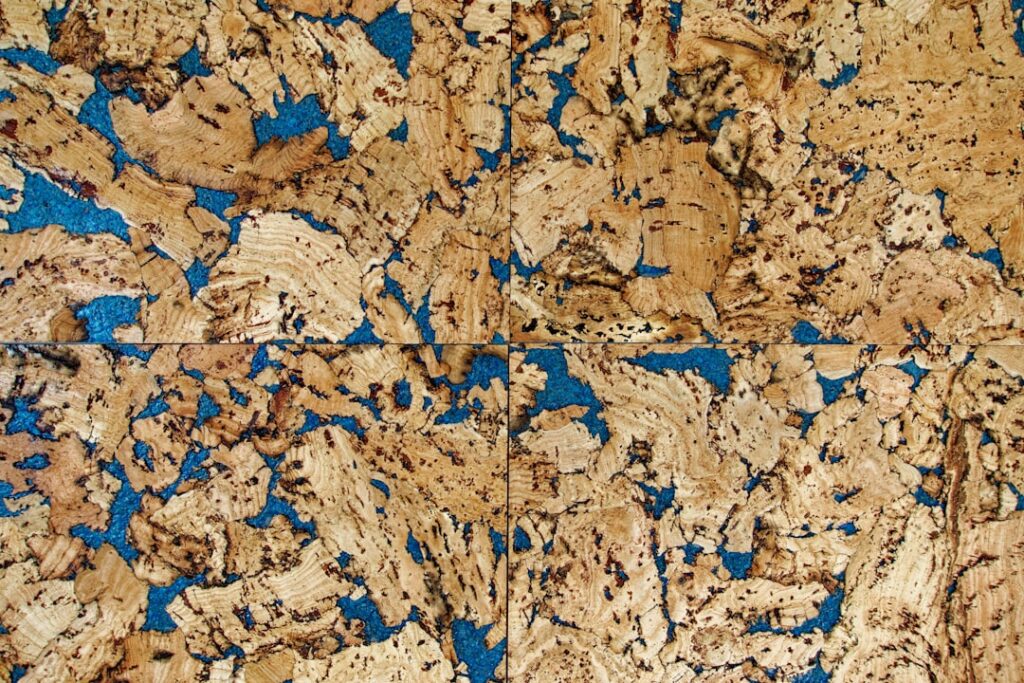
Cork is harvested from the bark of the cork oak and pressed into dense panels. A 12 mm slab compresses roughly 8% under impact, then springs back to flat within seconds. That elastic memory protects joints during plyo work and absorbs the bounce of a 45 lb plate hitting the deck.
Sound transmission drops noticeably too. Independent IIC ratings on premium cork land between 51 and 58, beating most rubber products by 6 to 10 points. If you train above a finished room or share walls with neighbors, that difference is the line between complaints and silence.
Once the floor can handle the impact, it’s time to fill the space. A solid storage box keeps bands, gloves, and smaller gear organized between sessions.
We may earn a commission when you purchase through our links.
Cork vs Rubber: The Honest Comparison
Rubber wins on raw weight tolerance. Drop a loaded trap bar from deadlift lockout and rubber barely flinches, while cork can dent under repeated heavy drops in the same spot. For Olympic lifting platforms, build a plywood-and-rubber zone over cork rather than relying on cork alone.
Where cork pulls ahead: surface temperature, bare-foot comfort, off-gassing, and aesthetics. New rubber rolls smell like a tire warehouse for two to four weeks. Cork has a faint sweet wood scent on day one and is neutral by day three. For yoga, mobility flows, and bodyweight circuits, the difference is night and day.
Thickness, Density, and Cushion Ratings
For a general training space, 10 mm to 12 mm cork hits the sweet spot. Thinner 6 mm tiles save money but bottom out under a heavy kettlebell drop. Look for density between 480 and 520 kg/m3. Anything lighter compresses too easily; anything denser feels like concrete.
- 6 mm: Stretching, Pilates, light circuits. Around $3.50 to $5 per sq ft.
- 10 mm: Mixed home gym with dumbbells up to 50 lb. $5.50 to $7 per sq ft.
- 12 mm: Power racks, kettlebells, plyometrics. $7 to $9.50 per sq ft.
- Underlayment + cork plank: Adds a 3 mm pad below for sound critical rooms. Add about $1.20 per sq ft.
Floating Click vs Glue-Down vs Tile
Floating click planks are the easiest install, locking together over a foam underlayment. Skip them for any space with regular dropped weights — the seams open over time. Glue-down sheets bond directly to concrete with a urethane adhesive like Bostik Best, costing about $0.75 per sq ft in adhesive.
Interlocking cork tiles are my personal favorite for garage gyms. A damaged tile pops out and gets swapped in 90 seconds, which matters when a stray dumbbell gouges the floor in year two. APC Cork and Jelinek both make 24 by 24 inch tiles in this format.
Subfloor Prep Nobody Talks About
Cork telegraphs every flaw in the slab below it. Skip prep and you will see ridges within a month. Grind high spots, fill low spots with self-leveling compound to within 3/16 inch over 10 feet, and let new concrete cure at least 60 days. Test moisture with a calcium chloride kit — readings above 3 lbs per 1,000 sq ft per 24 hours mean you need a moisture barrier primer.
For above-grade plywood, fasten any loose sheets, set screws below the surface, and skim-coat the seams. A vapor barrier is unnecessary on wood subfloors but recommended over any slab.
Sealing and Long-Term Maintenance
Most cork ships pre-finished with three to six coats of waterborne polyurethane. After installation, add one more coat using Bona Mega or Loba 2K Supra. That extra layer pushes wear life from 8 years to 15+ in a busy gym.
Day-to-day care is dead simple. Sweep weekly, damp-mop monthly with a pH-neutral cleaner like Bona Hardwood Floor Cleaner. Skip vinegar — it eats the urethane finish over time. Recoat the surface every 5 to 7 years depending on traffic. A 600 sq ft space costs around $1,800 in materials and labor for a recoat, far cheaper than ripping out rubber.
Best Brands Worth Your Money
Three names dominate the quality tier of cork gym flooring. Jelinek Cork has been pressing cork in Canada since 1855 and offers a 25-year residential warranty on their 12 mm planks. APC Cork sells contractor-grade rolls at competitive prices through commercial distributors. Wicanders, owned by Amorim, makes the prefinished click line carried by most flooring retailers — solid quality but verify it is real cork plank, not a cork-veneer composite.
Avoid no-name imports priced under $3 per sq ft for 10 mm goods. The math does not work for genuine high-density cork at that price, and the product almost always delaminates within two years.
Acclimation and Climate Control
Cork is a wood product and reacts to humidity. Acclimate boxes flat in the install room for 72 hours minimum, longer in dry winter conditions or humid summer. Target relative humidity should sit between 35% and 55% during installation and throughout the floor’s life. Garages without HVAC see wider swings — install with extra expansion gaps and accept some seasonal movement at the perimeter trim.
For below-grade basements, run a dehumidifier for at least two weeks before install to stabilize the slab moisture. A calcium chloride moisture test should read under 3 lbs per 1,000 sq ft per 24 hours before any cork goes down — high readings demand a moisture-mitigating primer or epoxy moisture barrier first.
Who Should Skip Cork
If your training centers on competitive Olympic lifting or strongman work with regular drops above 225 lb, cork is not the right primary surface. Build a dedicated lifting platform and use cork for the surrounding 60% of the floor. Same advice applies if you run a small group training business with rotating clients and constant equipment drops — commercial-grade rubber holds up better in that abuse cycle.
For everyone else — home gyms, yoga rooms, Pilates studios, light commercial training — cork gym flooring delivers comfort, sound control, and looks that rubber simply cannot match at the same price point.
Prefer to explore on your own?
See how new flooring looks in your actual room in seconds — free, no signup.
Try the free Floor Studio →