
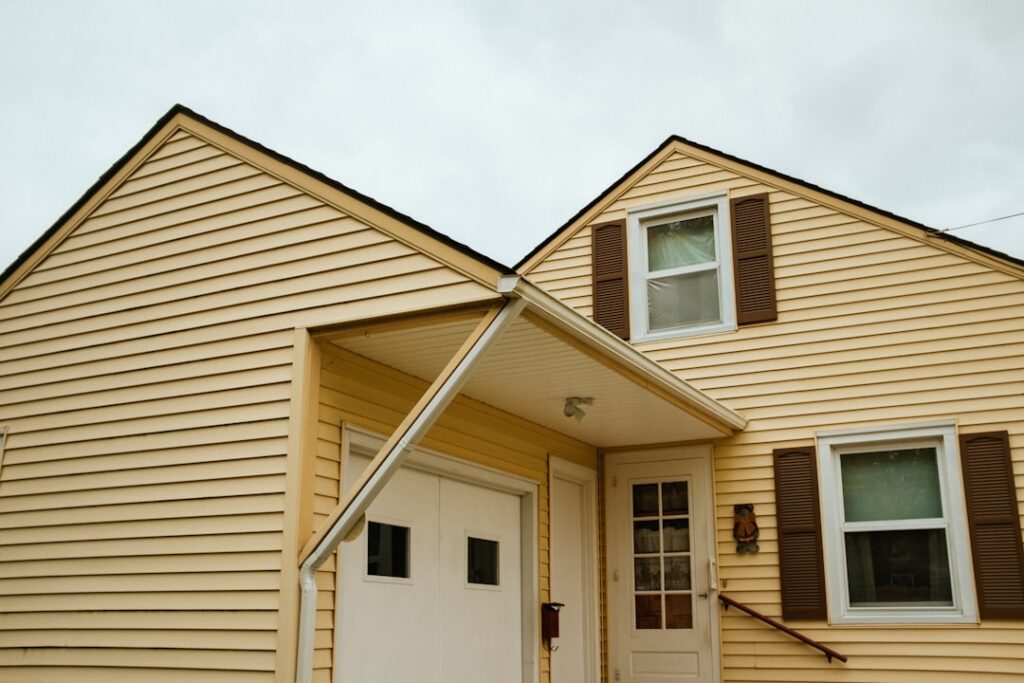
Understanding the cost of vinyl siding is the first step toward making a smart investment in your home’s exterior. After three decades helping homeowners navigate renovation projects, we’ve seen vinyl siding remain one of the most popular and cost-effective cladding options on the market. But pricing can vary wildly depending on the type you choose, your home’s size, and where you live.
In this guide, we break down every cost factor so you can budget accurately and avoid surprises. Whether you’re building new or replacing old siding, you’ll walk away knowing exactly what to expect.
Average Cost of Vinyl Siding in 2026
The national average cost of vinyl siding installation ranges from $5,500 to $16,000 for a typical 1,500-square-foot home. Most homeowners spend between $7,000 and $12,000 all in, including materials and labor. Per square foot, expect to pay $3 to $12 installed, though the sweet spot for mid-grade vinyl falls in the $5 to $8 range.
These figures reflect a full installation on a standard two-story home with moderate architectural detail. Homes with multiple stories, dormers, bay windows, or complex trim work will land on the higher end. Simple ranch-style homes with minimal trim typically cost less.
Regional pricing also plays a significant role. Coastal areas and major metropolitan markets tend to run 15-25% higher than national averages due to elevated labor rates and permit costs. Rural and Midwestern markets often come in below average.
Material Costs by Siding Type
Not all vinyl siding is created equal. The type you choose has the biggest impact on your total project cost. Here’s what each category runs for materials alone:
Standard Vinyl Siding
Standard or builder-grade vinyl siding costs $1.50 to $3.50 per square foot for materials. It’s the most affordable option and works well for budget-conscious projects. Panels are typically 0.040 to 0.046 inches thick. While functional, standard vinyl offers limited color options and can look flat compared to premium products.
Premium and Thick-Cut Vinyl
Step up to premium vinyl and you’ll pay $3.50 to $6.00 per square foot for materials. These panels run 0.046 to 0.055 inches thick, feature deeper wood-grain textures, and offer better fade resistance. The added thickness also means improved impact resistance and a more substantial appearance from the curb.
Insulated Vinyl Siding
Insulated vinyl siding costs $4.00 to $8.00 per square foot for materials. Each panel has a foam backing that boosts your home’s R-value and reduces energy bills. The insulation also eliminates the hollow sound that standard vinyl can produce and makes panels more rigid and impact-resistant. Over 10-15 years, the energy savings can offset the higher upfront cost.
Vinyl Shake and Scallop Siding
Specialty profiles like cedar shake and scallop designs run $5.00 to $10.00 per square foot for materials. These products replicate the look of natural wood shakes or Victorian-era scalloped shingles without the maintenance headaches. Installation is more labor-intensive, which adds to total project cost.
Board and Batten Vinyl
Board and batten vinyl siding costs $4.50 to $7.50 per square foot. This vertical-profile siding has surged in popularity thanks to modern farmhouse design trends. It offers a clean, contemporary look and works beautifully as an accent on gable ends or full exterior applications.
Labor Costs and What Affects Them
Labor typically accounts for 40-60% of total vinyl siding cost. Professional installation runs $2.00 to $5.00 per square foot, depending on several factors:
- Geographic location: Labor rates in New York or San Francisco can be double what you’d pay in smaller markets
- Home height: Two and three-story homes require scaffolding, which adds $500 to $2,000
- Architectural complexity: Dormers, bay windows, and intricate trim increase hours on the job
- Old siding removal: If existing siding must come off first, budget an extra $1,000 to $3,000
- Sheathing and housewrap: Damaged sheathing or missing moisture barriers must be addressed before new siding goes up
- Season: Scheduling installation during the off-season (late fall or winter) can save 10-15% on labor
Always get at least three written estimates from licensed, insured contractors. The lowest bid isn’t always the best value — check references, review past work, and confirm warranty coverage before signing.
Cost by House Size
Here’s a quick reference for total installed cost of mid-grade vinyl siding based on home size:
- 1,000 sq ft home: $4,000 – $8,500
- 1,500 sq ft home: $5,500 – $12,000
- 2,000 sq ft home: $7,500 – $16,000
- 2,500 sq ft home: $9,500 – $20,000
- 3,000 sq ft home: $12,000 – $25,000
Keep in mind that “square footage” for siding purposes refers to the exterior wall area, not the interior living space. A 2,000-square-foot home might have 2,400 to 3,200 square feet of exterior wall surface depending on the number of stories and architectural features.
Additional Costs to Budget For
The cost of vinyl siding doesn’t stop at panels and labor. Factor in these common extras:
- Trim and accessories: J-channel, corner posts, starter strips, and window trim add $500 to $2,500
- Soffit and fascia: If yours need replacement, budget $1,500 to $4,000
- Housewrap: A new moisture barrier costs $0.50 to $1.00 per square foot installed
- Permits: Many municipalities require building permits for siding, running $100 to $500
- Disposal fees: Hauling away old siding costs $300 to $800 depending on volume
- Insulation upgrades: Adding rigid foam beneath new siding adds $1.00 to $2.50 per square foot
A good contractor will itemize all of these in your estimate. If you see a single lump-sum number with no breakdown, ask for details before committing.
Vinyl Siding vs. Other Siding Materials
How does the cost of vinyl siding stack up against alternatives? Here’s a side-by-side comparison of installed costs per square foot:
- Vinyl siding: $3 – $12 per sq ft (lowest maintenance)
- Fiber cement (Hardie board): $6 – $15 per sq ft (moderate maintenance)
- Wood siding: $8 – $20 per sq ft (highest maintenance)
- Engineered wood: $6 – $12 per sq ft (low-moderate maintenance)
- Aluminum siding: $3 – $8 per sq ft (low maintenance, dents easily)
- Brick veneer: $10 – $30 per sq ft (virtually no maintenance)
- Stone veneer: $15 – $40 per sq ft (virtually no maintenance)
Vinyl consistently offers the best value when you factor in both upfront cost and long-term maintenance expenses. Fiber cement is the closest competitor in terms of price-to-performance ratio, but it requires periodic painting every 10-15 years.
How to Save Money on Vinyl Siding
Here are proven strategies to reduce your vinyl siding costs without sacrificing quality:
Time your project strategically. Contractors are hungriest for work in late fall and winter. You can often negotiate 10-20% discounts during the off-season.
Handle demolition yourself. Removing old siding is labor-intensive but not technically difficult. If you’re comfortable on a ladder and have a weekend to spare, you can save $1,000 to $3,000 on removal and disposal.
Choose standard profiles. Horizontal lap siding is the fastest and cheapest to install. Specialty profiles like shake, scallop, or board-and-batten cost more for both materials and labor.
Buy during sales. Home improvement retailers run significant promotions on siding during spring and early summer. Buying materials yourself and hiring labor separately can sometimes save money, but make sure your contractor will warranty labor on customer-supplied materials.
Skip unnecessary upgrades. If your existing sheathing and housewrap are in good condition, there’s no reason to replace them. A reputable contractor will tell you honestly what needs attention and what doesn’t.
Return on Investment
Vinyl siding replacement consistently ranks among the top home improvement projects for return on investment. According to recent remodeling cost-value reports, homeowners recoup approximately 68-75% of their vinyl siding investment at resale. For a $10,000 project, that means $6,800 to $7,500 added to your home’s value.
Beyond resale value, new vinyl siding delivers ongoing savings through reduced maintenance costs (no painting or staining) and improved energy efficiency, especially if you choose insulated panels. Many homeowners report 10-15% reductions in heating and cooling costs after upgrading to insulated vinyl siding.
Curb appeal shouldn’t be underestimated either. Fresh siding transforms a home’s appearance instantly, which matters whether you’re selling soon or planning to stay for decades.
Frequently Asked Questions
How much does it cost to side a 2,000-square-foot house with vinyl?
For a standard 2,000-square-foot home, expect to pay between $7,500 and $16,000 for mid-grade vinyl siding fully installed. The exact price depends on the vinyl grade, your location, and the complexity of your home’s exterior. Insulated or specialty profiles will push costs toward the higher end.
Is vinyl siding cheaper than Hardie board?
Yes, vinyl siding is typically 30-50% less expensive than fiber cement (Hardie board) siding when comparing total installed costs. Vinyl also requires less maintenance over its lifespan, making the long-term cost difference even more significant. However, Hardie board offers superior fire resistance and a more natural wood-like appearance.
Can I install vinyl siding myself to save money?
DIY vinyl siding installation is possible for experienced homeowners with the right tools. You’ll save $2 to $5 per square foot on labor. However, improper installation can void manufacturer warranties and lead to moisture problems behind the siding. If you do go the DIY route, invest time in learning proper techniques for flashing, J-channel installation, and allowing for thermal expansion.
How long does vinyl siding last?
Quality vinyl siding lasts 20 to 40 years depending on the grade, climate exposure, and maintenance. Premium and insulated varieties tend to last longer than builder-grade products. Regular cleaning and prompt repair of any damaged panels will maximize the lifespan of your investment.
Does vinyl siding increase home value?
Yes. New vinyl siding typically recoups 68-75% of its cost at resale, making it one of the better exterior improvement projects for ROI. It also helps sell homes faster by dramatically improving curb appeal.


