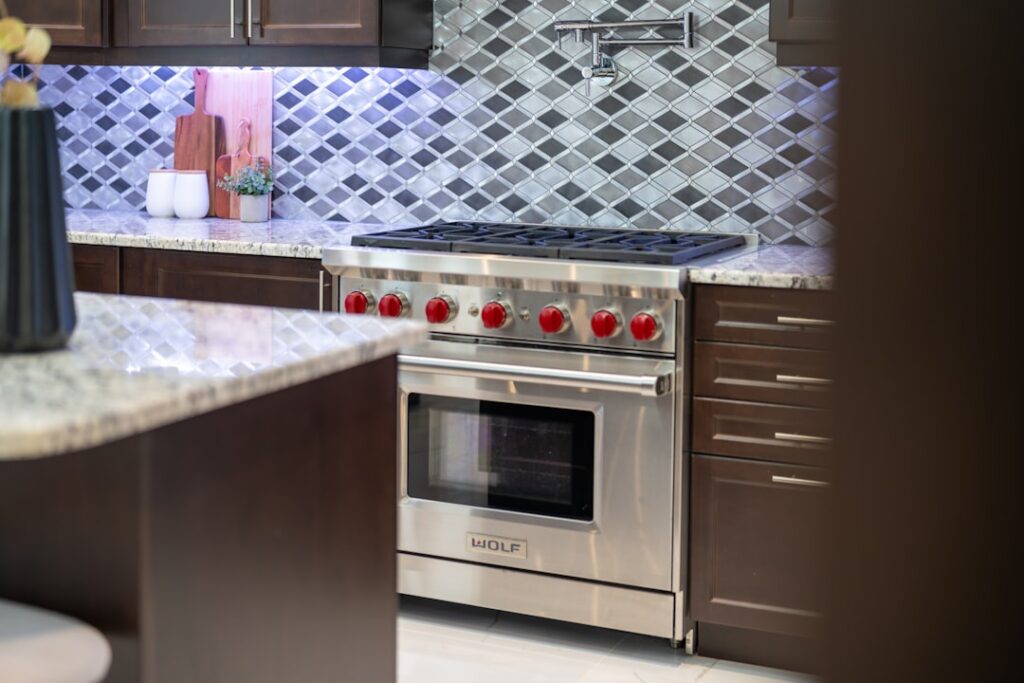
A countertop gas stove is the flexible, no-installation cooking solution for anyone who wants real flame heat without committing to a built-in range. Also called a portable gas cooktop, these compact units sit on a counter or table, run off a fuel canister or a propane connection, and give you the instant, responsive heat that gas cooking is loved for. They are a favorite for small kitchens, outdoor entertaining, camping, food stalls, and as a backup burner when the main stove is full or out of commission. But because they burn fuel, using one safely matters just as much as using it conveniently.
Part of our Countertops guide — explore the full guide →
Here is what to know about the types, the specs, the safety rules, and the costs before you buy.
What a Countertop Gas Stove Is
A countertop gas stove is a self-contained cooktop with one or more gas burners and no oven below. It is fully portable, requiring no hard wiring or plumbing, which is exactly why it appeals to renters, RV owners, and anyone short on kitchen space. You light the burner, adjust the flame, and cook the same way you would on a full gas range, then store the unit away when you are done.
Common Types and Fuel Sources
Portable gas cooktops differ mainly in how they are fueled:
- Butane single-burner stoves — Use a small butane canister that clicks in; popular for camping, backup cooking, and tabletop hot pot.
- Propane portable stoves — Connect to a one-pound camping cylinder or, with a hose and regulator, a larger refillable tank; common for outdoor and patio use.
- Built-in-style drop-in cooktops — Multi-burner units that can sit on a counter but connect to a home gas line, blurring the line with a true cooktop.
Choose the fuel that matches where you will cook, butane for indoor and tabletop convenience, propane for outdoor power and longer cook sessions.
Key Specs to Compare
When shopping, weigh these features:
- Burner output (BTU) — Higher BTU means faster, hotter cooking; portable units commonly range from around 7,000 to 15,000 BTU per burner.
- Number of burners — One burner suits backup and camping; two or more handle real meal prep.
- Ignition type — Push-button piezo ignition is far more convenient than lighting with a match.
- Burner grate stability — Sturdy, wide grates hold larger pots safely.
- Safety shutoff — Many butane units include automatic shutoff if pressure spikes.
Safety Comes First
Burning gas indoors demands respect, so follow these rules closely:
- Use the stove only as designed. Many propane camping stoves are rated for outdoor use only and should never be operated indoors. Use only indoor-rated units inside.
- Ventilate the space. Even indoor-rated butane stoves need fresh airflow; run a vent or open a window, and never cook gas in a sealed room.
- Guard against carbon monoxide. Any gas flame produces carbon monoxide if combustion is incomplete; a working CO detector is essential where you cook.
- Check for leaks and damage. Inspect canisters, hoses, and connections for leaks before each use, and never use a dented or rusty canister.
- Keep flammables clear. Place the stove on a stable, heat-resistant surface away from curtains, paper, and walls, and never leave it unattended while lit.
- Store fuel safely. Keep canisters and propane away from heat and out of hot vehicles, and store them upright in a cool, ventilated spot.
Where a Countertop Gas Stove Works Best
These stoves shine in specific situations. They are great for small apartments and studios without a full range, for outdoor kitchens and patios, for tailgating and camping, and as a reliable backup during power outages, since gas does not depend on electricity. Tabletop butane models are also a favorite for interactive meals like hot pot and shabu-shabu. They are not a replacement for a full range in a busy family kitchen, but as a flexible secondary cooking source, they are hard to beat.
What a Countertop Gas Stove Costs
Pricing is approachable. Single-burner butane camping stoves often run $25 to $60, dual-burner portable propane and butane models commonly fall in the $60 to $200 range, and higher-end multi-burner units climb beyond that. Remember to budget for fuel, whether butane canisters or propane cylinders, as an ongoing cost.
Cooking Performance and What to Expect
A good portable gas burner cooks much like a full range, with the instant heat control that makes gas a favorite for searing, stir-frying, and simmering. Higher-BTU burners boil water and sear meat faster, while a lower simmer setting is essential for delicate sauces, so look for a unit with a genuinely low minimum flame, not just a strong high. Butane single-burners are perfectly capable for one-pot meals and tabletop cooking, while dual-burner units let you run a sauce and a saute at the same time. Keep in mind that wind outdoors steals heat and can blow out a flame, so a windscreen helps when cooking on a breezy patio.
Maintenance and Storage
Keeping a countertop gas stove in good shape is simple but worth doing. After it cools, wipe the burner caps and grates clean of spills and grease, which can clog the burner ports and cause uneven flames. Check that the burner holes stay clear, and clear any blockage with a fine tool when needed. For butane units, remove the canister before storing, and for propane setups, disconnect and cap the cylinder. Store the stove and its fuel in a cool, dry, ventilated place, never in a hot car or near a heat source, and inspect hoses and connections for cracks or leaks before each use. A little routine care keeps the stove burning cleanly and safely for years.
The Bottom Line
A countertop gas stove gives you responsive flame cooking with zero installation, perfect for small spaces, outdoor use, and emergencies. Match the fuel type to where you will cook, compare burner power and safety features, and above all use the unit exactly as it is rated, indoors only if it is designed for it, with good ventilation and a CO detector nearby. Cook smart and a portable gas cooktop becomes one of the most useful tools in your kitchen.