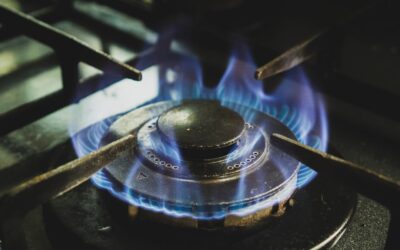
Switching from an electric range to gas is one of the most common kitchen upgrades, and the price surprises people in both directions. Sometimes the gas main sits a few feet away in the basement and the job takes a morning. Other times the line has to snake across the house, through finished walls, and the bill climbs quickly. Running gas line for stove hookups comes down to distance, access, pipe material, and permits, and all of it belongs in the hands of a licensed plumber or gas fitter.
For a rough idea, a short, accessible run with a simple connection generally falls in the lower hundreds of dollars, while long runs through finished spaces, new meters, or line upgrades can reach well into four figures. The breakdown that follows explains what drives those numbers, how pros choose pipe, what the permit and pressure test involve, and how to get quotes you can actually compare.
- What Running Gas Line for Stove Installs Typically Costs
- Black Iron vs CSST Pipe
- Permits and Pressure Testing
- The Process, From Quote to First Flame
- What Homeowners Should and Should Not Do
- Leak and Carbon Monoxide Safety
- Ways to Keep the Project Affordable
- How to Compare Quotes
- When to Call a Licensed Professional
- Frequently Asked Questions
What Running Gas Line for Stove Installs Typically Costs
Most quotes combine a few components: labor, materials priced per linear foot, fittings and valves, the permit, and the final appliance connection. Plumbers usually price labor by the hour or as a flat project fee. The cost to run gas line to stove locations goes up mainly with length and difficulty, not with the stove itself.
| Cost factor | Effect on price |
|---|---|
| Distance from existing gas line | Biggest driver; every extra foot adds pipe and labor |
| Access (open basement vs finished walls) | Finished drywall or slab floors add cutting and patching |
| Pipe material | CSST often faster to install; black iron cheaper per foot but slower |
| Permit and inspection | Fee set by your local jurisdiction |
| Meter or line capacity upgrade | Needed if total appliance demand exceeds supply |
| Electrical outlet for the range | Separate licensed electrician cost if none exists |
As a general guide, materials alone often run from a few dollars to the low double digits per foot depending on pipe type and size, while labor makes up the larger share. Gas stove installation cost when the line already exists is usually limited to the connector, shutoff valve, leak check, and setup, which is why a replacement costs far less than a first-time conversion. The cost to install gas oven units, such as wall ovens, follows the same logic.
Black Iron vs CSST Pipe
Black Iron
Black iron pipe is the traditional choice. It is rigid, durable, and familiar to every inspector. Each section must be measured, cut, threaded, and joined with fittings, so installation is labor-heavy, especially with many turns. It shines in open basements and exposed runs.
CSST (Corrugated Stainless Steel Tubing)
CSST is flexible, jacketed tubing that can be pulled through joists and walls in long continuous runs with fewer joints. That usually cuts labor time. Installers must be trained and certified on the specific CSST system, and manufacturers and codes require electrical bonding to help protect against lightning damage. Ask your plumber how the tubing will be bonded.
Other materials, such as approved copper or polyethylene for underground runs, appear in some regions. Your local code decides what is allowed.
Permits and Pressure Testing
Most jurisdictions require a permit for new gas piping. The licensed contractor usually pulls it, and the fee is often built into the quote. After the pipe is installed, and before walls are closed, the new piping is pressure-tested: it is sealed, pressurized above normal operating pressure with air or an inert gas, and monitored with a gauge for a set time to confirm it holds. Many areas require an inspector to witness or verify that test.
Once the system passes, the plumber connects the gas supply, purges air from the line, connects the range with a new listed connector, and checks every joint for leaks using approved methods. Skipping the permit might save a little money now but can cause problems with insurance claims and home sales later.
The Process, From Quote to First Flame
- Site visit: the plumber locates the nearest gas source, checks meter capacity against all your gas appliances, and plans the route.
- Quote and permit: you receive a written estimate; the contractor applies for the permit.
- Rough-in: pipe or tubing is run to the kitchen, ending in an accessible manual shutoff valve behind or beside the range.
- Pressure test and inspection: the new piping is tested and inspected as your jurisdiction requires.
- Connection: gas is turned on, the line is purged, and the stove is connected with a new appliance connector.
- Leak check and burner adjustment: every joint is verified and burners are lit and adjusted.
- Anti-tip bracket: installed so the range cannot tip forward.
Running gas line for range installations follows the same steps as a stove or cooktop. Only the final location and connector length change.
What Homeowners Should and Should Not Do
Your role when running gas line for stove upgrades is planning. Pick the stove early so the plumber knows the inlet location and BTU demand. Clear the path in the basement or crawlspace. Confirm there is a 120-volt grounded outlet behind the range, because most gas stoves need power for igniters and controls; if one must be added, use a licensed electrician. Think about a vented range hood as well.
What you should never do is cut, thread, connect, or tighten any gas fitting, or open a valve on new piping yourself. Gas work requires training, the right tools, and a license in most places, and mistakes can cause fires, explosions, or carbon monoxide poisoning. Many areas prohibit homeowners from doing it at all.
Leak and Carbon Monoxide Safety
Utility gas is odorized to smell like rotten eggs. If you smell gas at any point, leave the building right away without switching lights on or off, using phones inside, or starting a car in an attached garage. Call your gas utility or 911 from a safe distance and wait for clearance before going back in.
Install carbon monoxide alarms on each level of the home and near bedrooms, and replace them per the manufacturer’s schedule. Gas burners should burn blue and steady. Yellow, flickering, or sooty flames point to a problem that needs a technician. Never use a gas stove or oven to heat a room.
Ways to Keep the Project Affordable
Timing matters more than most homeowners expect. Running gas line for stove service is cheapest when walls and floors are already open, so bundle it with a kitchen remodel, a basement finish, or a flooring replacement if one is on the calendar. The plumber can route pipe directly through exposed framing, the inspector sees everything at once, and you avoid paying for drywall patching twice.
Placement also affects cost. Choosing a range location closer to the existing gas line, or near an outside wall above an unfinished basement or crawlspace, shortens the run and simplifies access. Some households add a gas stub for a future dryer, grill, or fireplace during the same visit, because an extra tee and capped outlet costs far less now than a second trip later. Ask for that option in the quote so the plumber can size the pipe for the combined load. Finally, confirm early whether your gas utility needs to upgrade the meter, since utility scheduling can add weeks.
How to Compare Quotes
- Get at least two or three written quotes from licensed, insured plumbers or gas fitters.
- Ask each to list pipe type, route, length, shutoff valve, connector, permit, and pressure test.
- Confirm whether drywall patching and painting are included; most plumbers leave that to you.
- Ask whether the meter or regulator can handle the added load.
- Verify license numbers with your state or local licensing board.
When to Call a Licensed Professional
Always. Running, extending, connecting, and testing gas lines is licensed-pro work from start to finish. Hire a licensed plumber or gas fitter for the piping and appliance hookup, a licensed electrician for any new outlet, and let the contractor handle permits and inspections with your local building department. Your part in running gas line for stove projects is choosing the stove, preparing access, and keeping the permit records.
Frequently Asked Questions
How much does it cost to run a gas line to a stove?
Short, accessible runs are usually the least expensive, often in the hundreds of dollars. Long runs through finished walls, capacity upgrades, and permits can push the total into four figures.
Is CSST or black iron better for a gas stove line?
Both are approved in most areas. CSST installs faster in long or winding runs but requires bonding, while black iron is rigid and durable for exposed runs. Your plumber and local code decide.
Do I need a permit to run a gas line for a range?
Most jurisdictions require one for new gas piping, followed by a pressure test and inspection. Your licensed contractor typically handles the application.
Can I run a gas line myself?
No. Gas piping and connections should be done by a licensed plumber or gas fitter, and many areas prohibit homeowners from doing the work.
How long does it take to run a gas line for a stove?
A short, accessible run can be completed in a few hours, while longer runs through finished spaces may take a day or more, plus inspection scheduling.