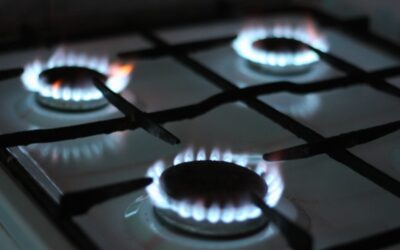
Countertop gas ranges bring the instant heat and precise control of a real flame to compact cooking setups, whether built into a kitchen island, dropped into a counter as a gas cooktop, or used as a portable burner unit. The term covers a few related appliances: built-in gas cooktops that sit flush in your counter, freestanding tabletop gas burners, and portable gas stoves used for supplemental or outdoor cooking. Whatever form you choose, the appeal is the same, responsive flame control that many cooks prefer over electric, in a footprint that fits where a full range will not.
Part of our Countertops guide — explore the full guide →
This guide explains the types available, how to choose and size one, and, most importantly, the safety and installation requirements that gas appliances absolutely demand. Gas is a serious matter, and getting the setup right is non-negotiable.
Types of Countertop Gas Ranges
The category spans permanent and portable options, and they suit very different needs:
- Built-in gas cooktops: dropped into a cutout in your countertop with the burners exposed and controls on the surface; a permanent installation connected to your home’s gas line.
- Portable single or double burners: tabletop units that run on small canisters of butane or propane, popular for dorms, RVs, outdoor cooking, and as a backup during outages.
- Freestanding tabletop ranges: compact multi-burner units that sit on a counter and connect to a propane tank, common in small kitchens and outdoor setups.
Built-in cooktops are the choice for a finished, integrated kitchen, while portable units offer flexibility and require no permanent gas connection. Knowing which you need shapes everything from your counter prep to your safety planning.
Why Cooks Choose Gas
Gas has a devoted following for good reasons. The flame responds instantly when you turn the knob, so you can jump from a hard sear to a gentle simmer without waiting for an element to heat or cool. You can see the flame, which gives an intuitive read on how much heat you are applying. Gas also works with virtually any cookware, including round-bottomed woks on the right grate, and many burners deliver high output for fast boiling and aggressive searing.
The trade-offs are real too. Gas cooktops release combustion byproducts that demand ventilation, the open flame is a burn and fire consideration, and installation is more involved than simply plugging in an electric unit. For many home cooks the control is worth it, but the responsibilities come with the territory.
Sizing and Fitting a Built-In Cooktop
For a built-in gas cooktop, the cutout is everything. Manufacturers publish a precise cutout dimension that must be followed exactly, and you also need adequate depth and clearance beneath the counter for the burner box and gas connection. Standard cooktop widths commonly run around 30 and 36 inches, with smaller two-burner and larger five-burner options available.
Your countertop material matters as well. Heat-tolerant surfaces like quartz, granite, and solid stone handle the heat near burners well, but the cutout must include the manufacturer’s required clearance to combustible materials and to surrounding cabinets and walls. Because the cutout is unforgiving and the gas connection is below, this is a project where measuring twice and following the specification sheet to the letter prevents expensive mistakes in your counter.
The Critical Importance of Professional Gas Connection
This is the most important section in this guide, so read it carefully. A built-in or hard-plumbed gas range must be connected to your home’s gas line by a licensed professional, a qualified gas fitter or plumber. Gas connections are not a do-it-yourself task. An improper connection can leak, and a gas leak risks fire, explosion, and carbon monoxide poisoning. Never attempt to modify, splice, or connect a gas line yourself if you are not licensed and certain of what you are doing.
A professional will use the correct fittings and flexible connector, apply proper pipe-joint compound rated for gas, leak-test every connection, and confirm the appliance is set for your gas type, since units are configured differently for natural gas versus propane and often require a conversion kit to switch. They will also verify the installation meets local code. The modest cost of professional installation is trivial next to the consequences of getting a gas connection wrong.
Ventilation and Carbon Monoxide Safety
Gas combustion produces heat, moisture, and gases including carbon monoxide, so ventilation is not optional. A built-in cooktop should be paired with a properly sized range hood that vents to the outside, sized to the width and output of the cooktop and run whenever you cook. Recirculating hoods filter grease but do not remove combustion gases, so an externally vented hood is strongly preferred for gas.
Install a working carbon monoxide detector in or near the kitchen and test it regularly, since CO is colorless and odorless and a malfunctioning or poorly vented appliance can produce dangerous levels. Maintain the manufacturer’s required clearances around the cooktop, keep flammable items away from burners, and never use a built-in or portable gas range to heat a room. If you ever smell gas, do not operate switches or flames; leave and call your gas utility from outside.
Using Portable Gas Burners Safely
Portable butane and propane burners are convenient, but they carry their own rules. Use them only in well-ventilated areas, and follow the manufacturer’s guidance on indoor versus outdoor use, since some are rated for outdoor use only. Seat the fuel canister correctly so it locks in, check for the smell of leaking gas before lighting, and keep the unit on a stable, heat-resistant surface away from anything flammable.
Never leave a lit portable burner unattended, let it cool fully before changing canisters, and store spare fuel away from heat and sunlight. These units are handy for backup and outdoor cooking, but treating them casually is how accidents happen.
Choosing the Right Countertop Gas Range
Match the appliance to how and where you cook. For a permanent kitchen, a built-in cooktop sized to your counter and ventilation gives the most integrated, capable setup, paired with a vented hood and professional installation. For flexibility, supplemental cooking, small spaces, or emergency preparedness, a quality portable burner is hard to beat.
Consider the number and output of burners you actually need, whether your home is plumbed for natural gas or relies on propane, and the cookware you use. Look for useful safety features such as flame-failure devices that shut off gas if a flame goes out, and sturdy, dishwasher-friendly grates.
Final Thoughts
Countertop gas ranges reward you with fast, controllable, satisfying heat, but they demand respect for the fuel that makes them work. Choose the type that fits your space, size a built-in cooktop precisely to its cutout and required clearances, and, above all, have any hard-plumbed gas connection made by a licensed professional. Pair the appliance with proper outdoor-venting ventilation and a working carbon monoxide detector, follow the manufacturer’s instructions, and you will enjoy the best of gas cooking with the safety it requires.