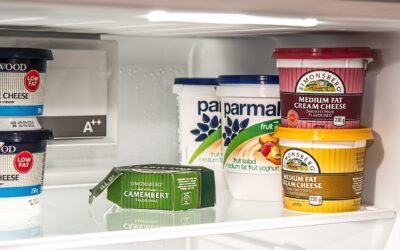
Whether you are outfitting a dorm room, a home office, a basement bar, or a tight studio kitchen, a countertop refrigerator packs cooling into a footprint that fits on a desk or shelf. These compact units, also called mini-fridges, range from tiny 1.6-cubic-foot cube models to larger units approaching 4 cubic feet. Choosing well means matching the size, cooling technology, and features to how you actually plan to use it. Here is everything you should weigh before buying one.
Part of our Countertops guide — explore the full guide →
What Counts as a Countertop Refrigerator
The term covers small, freestanding refrigerators compact enough to sit on a counter, desk, or shelf rather than stand on the floor. Capacities typically run from about 1.6 to 4 cubic feet. The smallest cube models cool a six-pack and a few snacks; mid-size units add a small chiller compartment or freezer shelf; the largest can hold groceries for one person and include a separate freezer drawer.
They plug into a standard outlet and require only a bit of clearance around the back and sides for ventilation. That portability and simplicity is exactly why they show up in bedrooms, offices, garages, and entertainment spaces.
Cooling Technology: Compressor vs Thermoelectric
Two cooling methods power these little fridges, and the difference affects performance significantly.
- Compressor: The same technology as a full-size fridge. Cools deeper, holds temperature in warm rooms, and can reach true refrigeration temperatures. Slightly noisier and heavier.
- Thermoelectric: Quieter and lighter, but only cools to a set number of degrees below ambient room temperature. It struggles in hot rooms and cannot reach the coldest settings.
For storing food and drinks reliably, especially in a warm garage or sunny room, a compressor model is the safer bet. For a quiet bedside drink chiller in an air-conditioned room, thermoelectric can be fine.
Sizing for Your Space
Measure before you buy, accounting for ventilation clearance and door swing. A general guide:
- 1.6 to 1.7 cu ft: Drinks and a few snacks; fits on a desk or shelf.
- 2.5 to 3.2 cu ft: A good all-rounder for a dorm or office with a small freezer area.
- 3.3 to 4 cu ft: Enough for one person’s groceries, often with a separate freezer.
Leave a couple of inches of clearance behind and beside the unit so heat can escape, and confirm the door opens in the direction you need; some models offer reversible doors.
Energy Use and Running Costs
Compact fridges are inexpensive to run, though efficiency varies. Look for an ENERGY STAR rating to keep electricity costs low; an efficient mini-fridge often costs only a small amount per year to operate. Thermoelectric units can actually use more energy trying to maintain temperature in a warm room, since they run continuously. Place any unit away from heat sources like ovens, direct sun, and radiators to reduce its workload.
Best Uses Around the Home
Part of the appeal is how many spots a small fridge can serve. In a dorm or bedroom, it holds drinks, snacks, and breakfast items without a trip to the kitchen. In a home office, it keeps water, lunch, and creamer within reach during the workday. A basement or game room appreciates one near the entertainment area, while a home bar uses it for mixers and garnishes. Garages and workshops benefit from a rugged compressor model for cold drinks, and a guest room fridge is a thoughtful touch for visitors.
Match the unit to the spot. A quiet thermoelectric model is fine bedside in a cool room, but a garage or sunroom that gets hot really needs a compressor unit that can hold temperature when the room warms up.
Placement and Ventilation
Where you set the fridge affects both performance and lifespan. Leave clearance around the back and sides, usually a couple of inches, so the heat the unit sheds can escape; cramming it into a tight cabinet without airflow makes it run constantly and shortens its life. Keep it off thick carpet that can block bottom vents, and place it away from ovens, dishwashers, heating vents, and direct sunlight. A level surface helps the door seal properly and the compressor run smoothly. If you plan to build it into cabinetry, look specifically for a model rated for built-in installation, since most freestanding units need open-air ventilation.
Features Worth Looking For
A few details improve daily use. Adjustable thermostats give better temperature control than a simple dial. Reversible doors add placement flexibility. Glass shelves are easier to clean than wire ones, and a defined freezer compartment, even a small one, lets you keep ice or frozen items. A flush-back design saves space, and a quiet compressor matters if the fridge lives in a bedroom or office. Prices generally range from about $80 for basic cube units to $250 or more for larger, feature-rich models.
Care and Maintenance
Keep your countertop fridge running well with simple upkeep. Clean the interior periodically with a mild solution of baking soda and water, and wipe spills promptly. If the model has a manual-defrost freezer, defrost it when frost builds up to maintain efficiency. Keep the rear vents and any condenser coils free of dust, and avoid overpacking the unit, which blocks airflow and makes it work harder.
Chosen to match your space and cooling needs, a countertop refrigerator is an affordable, convenient way to keep drinks and food cold exactly where you want them, without giving up valuable floor space.
Organizing a Small Fridge
With limited space, smart organization makes a compact fridge far more useful. Store taller bottles and cans in the door racks if the model has them, and reserve the main shelves for items you reach for most. Use small bins or a turntable to corral loose items so nothing gets lost at the back, and avoid overpacking, which blocks airflow and creates warm spots where food spoils faster. Keep the most perishable items toward the back and bottom, which usually run coldest, and any small freezer compartment for ice or items you do not need quickly.
Troubleshooting Common Issues
A few simple checks resolve most complaints. If the fridge is not cooling well, confirm the vents are not blocked, the door seals fully, and the room is not too hot for a thermoelectric model to keep up. Excess frost in the freezer compartment signals it is time to defrost, since heavy frost reduces efficiency. If you hear gurgling or a faint hum from a compressor unit, that is normal operation. Water pooling inside usually means food is blocking the small drain channel or the door is being left open too long. Address these early, and a compact fridge runs reliably for years.