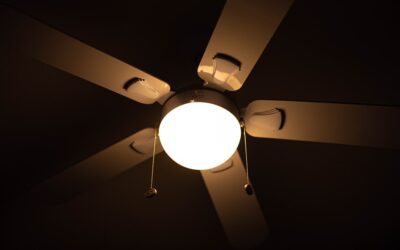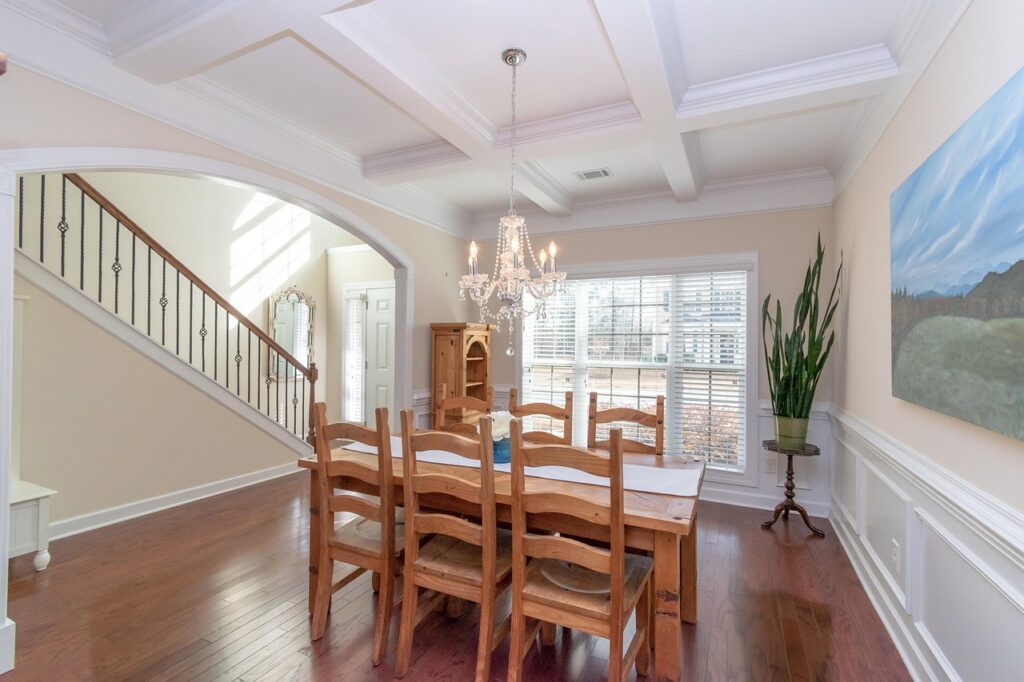
When homeowners want a fan that looks designed rather than generic, Craftmade is a name that comes up often. A Craftmade ceiling fan blends decorative style with solid airflow performance, offering everything from sleek modern designs to rustic and coastal looks across indoor and outdoor lines. Founded as a lighting and fan specialist, the brand focuses on distinctive finishes, quiet DC motors on premium models, and integrated LED lighting. With so many collections and sizes, choosing the right one comes down to matching the fan to your room size, ceiling height, location, and control preferences. This guide covers what to look for.
- About the Brand and Its Range
- Sizing the Fan to Your Room
- Mounting and Ceiling Height
- Motor Types: AC vs. DC
- Indoor vs. Outdoor Ratings
- Lighting and Controls
- Choosing a Style and Finish
- Installation and Value Considerations
- Airflow and Efficiency Ratings
- Seasonal Use and Reverse Function
- Maintenance and Care
About the Brand and Its Range
Craftmade positions itself in the style-forward, mid-to-upper tier of the fan market. Its catalog spans several categories that help narrow your choice:
- Indoor decorative fans in modern, transitional, farmhouse, and industrial styles.
- Outdoor and damp/wet-rated fans for patios, porches, and covered outdoor spaces.
- Large-diameter and smart-compatible models for great rooms and connected homes.
- Coordinating light kits and finishes so fans match a room’s other fixtures.
Sizing the Fan to Your Room
Blade span, measured as the diameter of the blade circle, must suit the room for effective air movement. Use these general guidelines:
- Up to 75 sq ft (bathrooms, small offices): 29 to 36 inch fans.
- 75 to 175 sq ft (bedrooms, kitchens): 42 to 48 inch fans.
- 175 to 350 sq ft (living rooms, large bedrooms): 52 to 56 inch fans.
- Over 350 sq ft (great rooms): 60 inch or larger, or two fans.
An undersized fan moves too little air, while an oversized one can overwhelm a small room, so matching span to square footage is the first step.
Mounting and Ceiling Height
Proper clearance keeps the fan safe and efficient. Blades should sit at least 7 feet above the floor and 8 to 10 inches below the ceiling for good airflow, with at least 18 inches of clearance from walls or sloped surfaces. Craftmade offers several mount options to hit these targets:
- Standard downrods for typical 8-to-9-foot ceilings.
- Longer downrods to drop the fan into the occupied zone on high or vaulted ceilings.
- Flush or hugger mounts for ceilings under 8 feet to preserve headroom.
- Sloped-ceiling adapters for angled ceilings.
Motor Types: AC vs. DC
The motor drives efficiency, noise, and control options. Many premium Craftmade fans use DC motors, which draw less power, run quieter, and offer more speed settings and smoother reversing than traditional AC motors. AC motors remain common on value-oriented models and are perfectly reliable. If quiet operation, energy savings, and remote or smart control matter to you, look for the DC-motor collections; if budget is the priority, an AC model still delivers solid performance.
Indoor vs. Outdoor Ratings
Location dictates the rating you need, and using the wrong one voids warranties and creates hazards.
- Dry-rated: Indoor use only, in spaces with no moisture exposure.
- Damp-rated: Covered porches and patios protected from direct rain, plus humid indoor spaces like bathrooms.
- Wet-rated: Fully exposed locations that may see direct rain, with sealed motors and corrosion-resistant, weatherproof blades.
For any covered outdoor area, choose at least a damp-rated Craftmade model; for open exposure, insist on wet-rated.
Lighting and Controls
Many Craftmade fans integrate LED light kits, and control options add convenience.
- Integrated LED: Built-in, often dimmable and available in multiple color temperatures, energy-efficient and long-lasting.
- Handheld remotes control speed, light, and reverse without a wall switch.
- Wall controls for a hardwired, always-in-place option.
- Smart compatibility on select models works with home automation and voice assistants.
Confirm whether a light kit is included or sold separately, since some fan bodies accept optional coordinating kits.
Choosing a Style and Finish
Craftmade’s appeal is largely aesthetic, so let the room guide you. Match the fan’s finish to your other hardware and fixtures, whether matte black, brushed nickel, aged bronze, or brass tones. Farmhouse spaces suit designs with distressed wood-tone blades, while modern rooms favor clean metal profiles and integrated lighting. For coastal and outdoor settings, look for weather-resistant finishes and blades. Because the brand coordinates collections, you can often pair a fan with matching pendants or sconces for a cohesive look.
Installation and Value Considerations
Craftmade fans install like any hardwired ceiling fan, requiring a fan-rated electrical box that supports the fan’s weight and motion. If you are replacing a light fixture, an electrician should confirm the box is fan-rated, since standard boxes are not. Pricing spans a wide range, roughly $150 to $600 or more depending on size, motor type, and finish, placing the brand above budget big-box fans but below ultra-premium names. For homeowners who want a designer look, quiet DC performance, and coordinated finishes, that mid-tier positioning offers strong value.
Airflow and Efficiency Ratings
Beyond looks, a fan’s real job is moving air, and a few published numbers tell you how well it does that. Comparing these figures across models helps you avoid a fan that looks great but barely stirs a breeze:
- CFM (cubic feet per minute): The volume of air moved on high speed. Higher CFM means stronger airflow; effective fans often range from 4,000 to 7,000 CFM.
- Airflow efficiency: CFM per watt, showing how much air you get for the energy used. DC-motor fans usually lead here.
- Blade pitch: The angle of the blades; a steeper 12-to-15-degree pitch generally moves more air than a shallow one.
- Number of blades: More blades can look fuller but do not automatically move more air; motor and pitch matter more.
Checking the CFM rating ensures the fan you like on looks will also deliver the cooling breeze you expect.
Seasonal Use and Reverse Function
A quality ceiling fan works year-round, not just in summer, thanks to the reversing feature nearly all Craftmade models include. In warm months, the blades should spin counterclockwise (viewed from below) to push air straight down and create a cooling wind-chill effect on your skin, letting you raise the thermostat a few degrees and save on cooling. In winter, reversing the blades to spin clockwise on low speed gently pulls cool air up and pushes the warm air that collects at the ceiling back down along the walls, evening out room temperature and easing the heating load. On remote-controlled and smart models, reversing is as simple as pressing a button rather than reaching for a switch on the motor housing. Using the fan in both directions across the seasons is one of the easiest ways to improve comfort and trim energy bills, and it means your fan earns its keep twelve months a year rather than sitting idle half of them. Pairing this habit with the right speed for each season maximizes both comfort and efficiency.
Maintenance and Care
A ceiling fan runs for thousands of hours, and simple upkeep keeps it quiet, efficient, and safe. Dust the blades regularly, since a heavy dust layer unbalances them and reduces airflow; a microfiber cloth or a slotted blade duster works well. If the fan develops a wobble, check that the blades are all seated evenly and use a balancing kit to add small weights until it runs smoothly, because a persistent wobble stresses the mounting and hardware. Periodically confirm the downrod and canopy screws are tight and that the fan-rated box remains secure. On models with light kits, replace failed LED modules or bulbs promptly, and wipe the fixture clean. Avoid running a fan on high in an unoccupied room, since the cooling effect works on people, not empty air. These small habits extend the fan’s life and keep it performing like new for many years.
A Craftmade ceiling fan is a smart pick when you want more style and quieter performance than a generic builder fan without stepping into ultra-luxury pricing. Start by sizing the blade span to your room and choosing the right mount for your ceiling height, then match the location rating, dry, damp, or wet, to where the fan will hang. Favor DC-motor models for quiet, efficient operation and rich control options, decide whether you need integrated lighting and smart features, and pick a finish that ties into your room’s other fixtures. Install it on a proper fan-rated box, and you will get years of comfortable airflow wrapped in a design that actually complements your home.