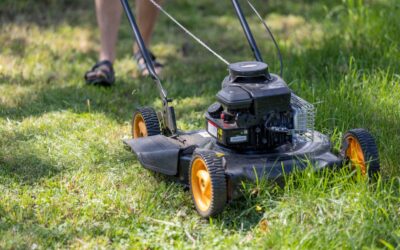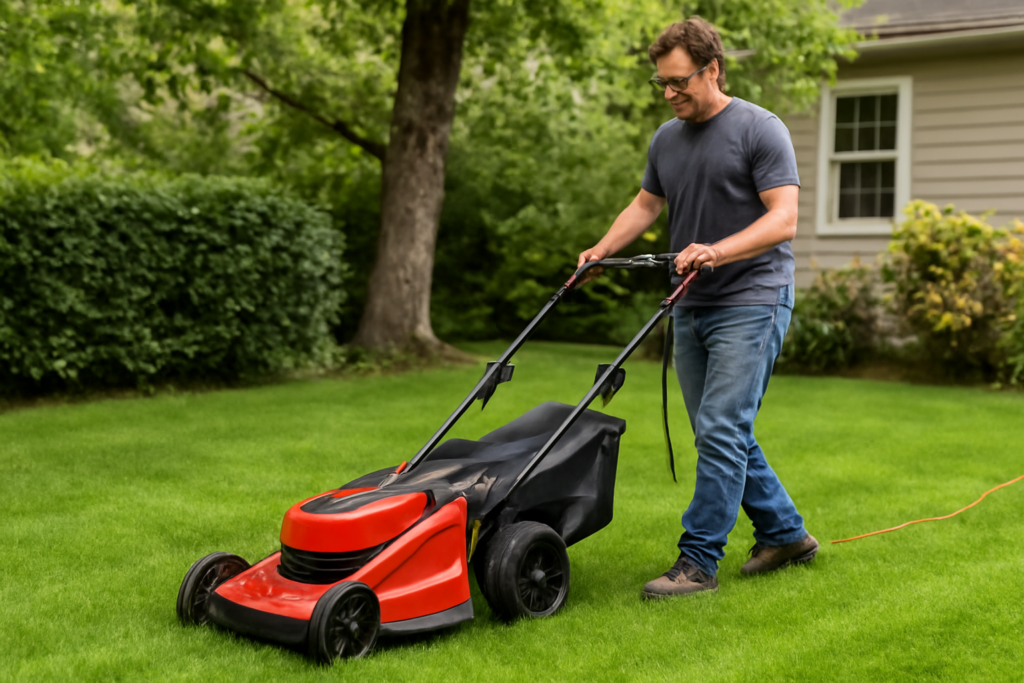
A Craftsman electric lawn mower offers a clean, quiet, low-maintenance alternative to gas for homeowners with small to mid-size lawns. Craftsman builds both corded and battery-powered models on its V20 and V60 platforms, giving you options depending on lawn size and budget. This guide covers the lineup, key specs, run time, cutting performance, and how to choose the right model for your yard.
- The Craftsman Electric Lineup
- Corded vs. Cordless
- Key Specifications
- Battery and Run Time
- Cutting Performance
- Deck Height and Cutting Options
- What a Craftsman Electric Mower Costs
- How It Compares to Competitors
- Maintenance Tips
- Troubleshooting Common Issues
- Common Mistakes to Avoid
- Who Should Buy One?
- The V20 vs. V60 Battery Platforms
- Brushless vs. Brushed Motors
- Storage and Space Savings
- Environmental and Cost Benefits
- Sharing Batteries Across Tools
- Best Practices for a Healthy Lawn
- Final Thoughts
The Craftsman Electric Lineup
Craftsman splits its electric mowers into two main groups. Corded electric models plug into a standard outlet and never run out of power, ideal for compact lawns. Cordless models run on the V20 (20-volt) platform for smaller yards or the more powerful V60 (60-volt) platform for larger properties. Deck sizes range from roughly 14 inches on corded units to 21 inches on the 60V self-propelled models.
Corded vs. Cordless
Corded Craftsman mowers deliver unlimited runtime and lower cost, but the extension cord limits your range to about 100 feet and requires careful maneuvering to avoid running over it. Cordless V60 models offer complete freedom and gas-like power, while the trade-off is finite battery run time and the higher price of the packs. For lawns under a fifth of an acre near an outlet, corded makes sense; for everything else, go cordless.
Key Specifications
- Deck sizes: 14 to 21 inches depending on model
- Corded power: typically 10 to 13 amp motors
- Battery platforms: V20 for light duty, V60 for full-size
- Cutting heights: usually 6 positions, about 1.5 to 4 inches
- Functions: bag, mulch, and often side discharge
- Drive: push on smaller units, self-propelled on select V60 models
Battery and Run Time
On the V60 platform, a single fully charged battery typically delivers 45 minutes to an hour of mowing, enough for roughly a quarter to a third of an acre. Run time drops in thick or wet grass. The 20V models are best for very small yards, offering perhaps 30 to 45 minutes. Because Craftsman batteries are interchangeable across compatible tools, owning a second pack extends your coverage and shares power with trimmers and blowers.
Cutting Performance
Craftsman electric mowers cut cleanly on dry grass of normal height. The brushless motors on higher-end V60 units provide strong torque that handles moderately thick lawns, while the corded and 20V models are best kept to lighter growth. Mulching works well when you mow frequently, and the bagging function collects clippings neatly. For a manicured finish, keep the blade sharp and avoid cutting more than a third of the blade height at once.
Deck Height and Cutting Options
Most models use a single-lever height adjustment covering six positions from about 1.5 to 4 inches, letting you cut low in spring and higher in summer to protect the roots. The 3-in-1 capability on many units means you can mulch clippings back into the lawn for nutrients, bag them for a tidy look, or side discharge when grass is tall. This flexibility suits changing seasonal conditions.
What a Craftsman Electric Mower Costs
Corded models are the value pick at $130 to $200. V20 cordless push mowers run $200 to $300 as kits with a battery and charger. V60 push models cost $300 to $400, and V60 self-propelled units reach $400 to $500. Replacement V60 batteries run roughly $150 to $200. Compared to gas, you save on fuel, oil, and tune-ups over the life of the mower.
How It Compares to Competitors
Craftsman sits in the value-to-mid range, generally more affordable than EGO or Milwaukee while offering solid performance. Its cut quality and battery ecosystem are competitive with Ryobi and Greenworks. The brand’s wide retail availability and reasonable pricing make it a practical choice for budget-conscious homeowners who want a reliable electric mower without paying a premium.
Maintenance Tips
Electric mowers are refreshingly simple to maintain. Sharpen or replace the blade at least once a season for a clean cut. Clean grass clippings from under the deck after mowing, but always remove the battery or unplug first. Store batteries in a cool, dry place and avoid leaving them fully discharged. There is no oil, spark plug, air filter, or fuel system to service, which saves time and money.
Troubleshooting Common Issues
If a cordless model stops mid-cut, the battery may be depleted or the motor is protecting itself from overload in thick grass; raise the deck and slow down. Short run time usually indicates an aging battery. On corded units, a mower that will not start could mean a tripped GFCI or a damaged cord. Uneven cutting almost always traces back to a dull blade or inconsistent wheel height.
Common Mistakes to Avoid
Do not choose a 20V model for a large lawn where it will run out of charge and struggle. Do not mow wet grass, which clogs the deck and drains the battery. Do not let the extension cord get run over on corded models. And do not neglect blade sharpening; a dull blade tears grass, leaving brown tips and stressing the motor.
Who Should Buy One?
A Craftsman electric mower is ideal for homeowners with small to mid-size lawns who want quiet, fume-free, low-maintenance mowing at a reasonable price. Choose corded for tiny lots near an outlet, the V20 for small yards, and the V60 platform for anything approaching a third of an acre. Add a spare battery if your lawn is on the larger side.
The V20 vs. V60 Battery Platforms
Craftsman’s two battery platforms serve very different needs, and choosing correctly matters. The V20 system, at 20 volts, powers a huge range of Craftsman tools from drills to trimmers, making it convenient if you already own the ecosystem, but its lower voltage suits only small yards and lighter mowers. The V60 platform delivers roughly three times the voltage and the sustained power needed to drive a full 21-inch deck through thicker grass. If your lawn is anything beyond a small patch, the V60 is the platform worth investing in.
Brushless vs. Brushed Motors
Higher-end Craftsman electric mowers use brushless motors, which are more efficient, run cooler, and last longer than the brushed motors found in entry-level units. A brushless motor converts more battery energy into cutting power and less into heat, translating to longer run time per charge and better performance in demanding grass. When comparing models, the presence of a brushless motor is a strong indicator of a mower built for regular, season-after-season use rather than occasional light duty.
Storage and Space Savings
Many Craftsman electric mowers feature folding handles that let them stand upright or tuck against a wall, a real benefit in crowded garages and small sheds. Without a gas engine, there is no fuel smell, no risk of oil leaks on the floor, and no need to keep a gas can nearby. Corded models store in even less space since they carry no battery. This compact, clean storage is an underrated advantage of going electric, especially for homeowners short on garage room.
Environmental and Cost Benefits
Beyond convenience, electric mowers produce zero direct emissions, a meaningful difference given that gas mowers are surprisingly heavy polluters for their size. Over years of ownership, skipping gasoline, oil, spark plugs, air filters, and annual tune-ups adds up to real savings that offset the higher purchase price of a cordless unit. Quiet operation also means you can mow early in the morning or later in the evening without disturbing neighbors, adding flexibility to your yard-care schedule.
Sharing Batteries Across Tools
One of the strongest reasons to buy into the Craftsman V20 or V60 system is battery interchangeability. The same packs that power your mower also run Craftsman string trimmers, leaf blowers, hedge trimmers, chainsaws, and even drills and drivers within the same voltage family. This shared ecosystem means a spare battery does double duty, and once you own a charger and a couple of packs, adding new bare tools costs far less. For homeowners building out a cordless yard-care and workshop lineup, this compatibility delivers real long-term savings and convenience.
Best Practices for a Healthy Lawn
Getting the best results from any electric mower starts with good lawn habits. Follow the one-third rule, never cutting more than a third of the grass blade height in a single mow, which keeps the lawn healthy and reduces the load on the battery. Raise the cutting height during summer heat and drought to protect the roots, and mow when the grass is dry to avoid clogging and excess battery drain. Regular, frequent mowing with a sharp blade produces a cleaner cut and lets a cordless mower cover more ground per charge.
Final Thoughts
A Craftsman electric lawn mower delivers dependable, budget-friendly cutting with the convenience of push-button starting and near-zero maintenance. Match the platform to your lawn size, keep the blade sharp, and care for the battery, and you will enjoy years of clean, quiet mowing. For homeowners ready to leave gas behind without overspending, Craftsman is a smart and accessible choice.