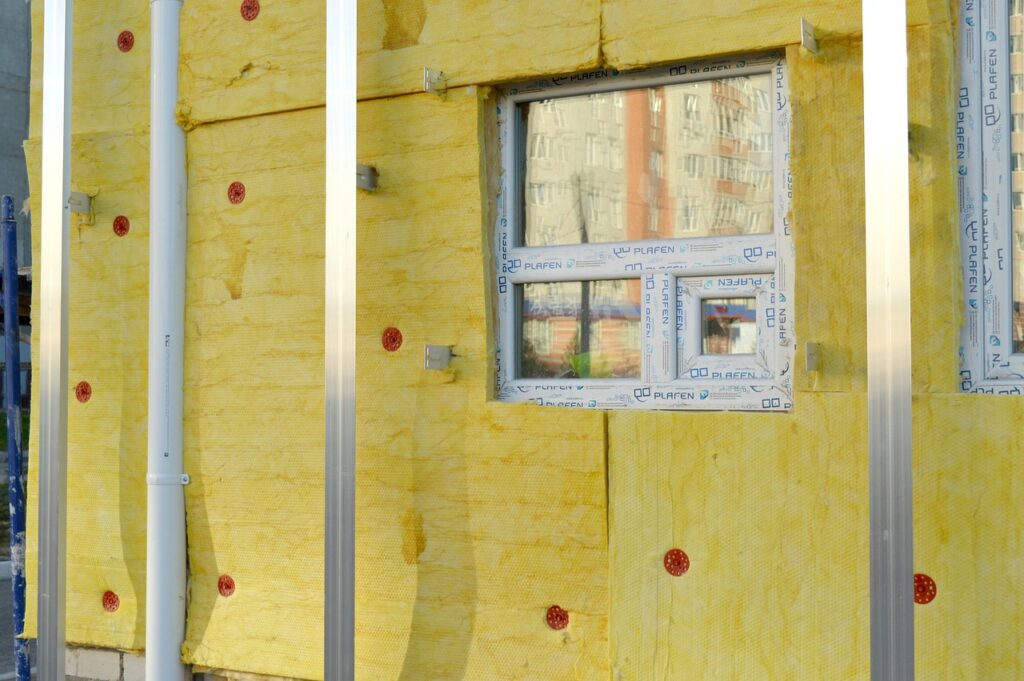
A cold floor in winter and a musty smell in summer both trace back to the same neglected space under your house. The typical crawl space insulation cost runs between $1,500 and $8,000, though the final number swings widely based on method, square footage, and whether you also seal moisture. Understanding what drives the price helps you avoid both overpaying and buying a cheap fix that fails in two years. This guide breaks down real numbers by approach so you can budget with confidence.
Average Cost Ranges at a Glance
For a standard 1,000 to 1,500 square foot crawl space, most homeowners land in the $2,000 to $5,000 range for a professional job. Simple fiberglass batt insulation on the underside of the floor is the cheapest route. Full encapsulation with a vapor barrier and rigid foam on the walls sits at the top of the range. The crawl space insulation cost per square foot generally falls between $1.50 and $7.00 depending entirely on the system you choose.
- Fiberglass batts: $1.50-$3.00 per sq ft installed
- Rigid foam board: $3.00-$5.00 per sq ft installed
- Spray foam: $4.00-$7.00 per sq ft installed
- Full encapsulation: $5,000-$15,000 total for larger spaces
Fiberglass Batt Insulation Costs
Fiberglass batts stapled between the floor joists are the traditional, lowest-cost method at roughly $1.50 to $3.00 per square foot installed. For a 1,200 square foot crawl space, that means about $1,800 to $3,600. The material itself is cheap, around $0.50 to $1.00 per square foot, so most of the price is labor working in a tight, awkward space.
The catch is that batts perform poorly in damp crawl spaces. Fiberglass absorbs moisture, sags, and loses R-value, and it can grow mold if the crawl space is not dry. If your crawl space is vented and prone to humidity, batts are often a false economy that you replace within five to ten years.
There is a hidden labor factor that inflates batt jobs beyond the material price. Installing batts between floor joists means working overhead in a cramped space, and holding insulation up with wire supports or netting is slow, awkward work. Contractors price that difficulty in, which is why a job that looks cheap on paper still lands in the thousands once labor is counted. If your crawl space is genuinely dry and stays that way, batts can be a reasonable value; if there is any moisture question, spending a bit more upfront on a moisture-resistant approach usually costs less over ten years.
Rigid Foam Board Costs
Rigid foam board installed against the foundation walls costs about $3.00 to $5.00 per square foot. This method suits a sealed, unvented crawl space where you insulate the perimeter walls rather than the floor above. A typical job on the walls of a 1,200 square foot crawl runs $2,500 to $4,500 depending on foam thickness and how much prep the walls need.
Foam board resists moisture far better than fiberglass, which is why it pairs naturally with encapsulation. Common thicknesses are 1.5 to 2 inches, delivering roughly R-7.5 to R-10. Local code often requires a fire-rated coating or intumescent paint over exposed foam, which adds to the total, so ask your contractor whether that is included in the quote.
Spray Foam Insulation Costs
Closed-cell spray foam is the premium option at $4.00 to $7.00 per square foot. Sprayed against the crawl space walls and rim joists, it creates an air-tight, moisture-resistant barrier and delivers around R-6 to R-7 per inch. For a full crawl space, expect $4,000 to $8,000 or more. It is the best-performing insulation but also the most expensive and the hardest to remove later.
Because spray foam requires specialized equipment and proper ventilation during curing, this is not a DIY job. Improper application can off-gas or fail to cure. Always hire a licensed insulation contractor for spray foam, and confirm they follow manufacturer application temperatures and re-entry timelines.
Spray foam does double duty, which partly justifies its price. Closed-cell foam is both an insulator and an air and vapor barrier in one application, so it seals the countless small gaps and cracks around the rim joist and foundation that batts leave open. That air-sealing benefit often delivers a bigger real-world energy improvement than the R-value number alone suggests. The downside beyond cost is permanence: once foam is sprayed onto framing, removing it for future plumbing or wiring work is difficult and messy, so plan any access you need before the crew arrives.
Crawl Space Encapsulation Add-Ons
Insulation alone does not fix a wet crawl space. Encapsulation wraps the floor and walls in a thick vapor barrier, seals the vents, and often adds a dehumidifier. This is where budgets climb. A full encapsulation with a 12 to 20 mil vapor barrier, sealed vents, and perimeter insulation typically runs $5,000 to $15,000 for a whole crawl space.
- Vapor barrier (12-20 mil): $0.50-$1.00 per sq ft material
- Dehumidifier: $800-$2,000 installed
- Sump pump (if needed): $1,000-$3,000
- Vent sealing: $150-$400
Encapsulation costs more upfront but solves the moisture problem that ruins cheaper insulation. If your crawl space has standing water, high humidity, or a history of mold, encapsulation is usually the smarter long-term investment even though the initial crawl space insulation cost is higher.
Factors That Change Your Price
Several variables push your quote up or down. Crawl space height matters: a space with only 18 inches of clearance is miserable to work in and commands a labor premium. Existing moisture damage, mold remediation, or old failed insulation that must be removed all add cost before new work begins.
Accessibility, local labor rates, and the R-value your climate zone requires also play a role. Northern climates often need R-19 to R-30 under the floor, while milder zones need less. Debris removal, pest damage, and structural repairs discovered during the job are common surprises, so keep a 10 to 15 percent contingency in your budget.
Old insulation removal is a frequent line item that catches homeowners off guard. If your crawl space has sagging, moldy, or rodent-damaged batts already in place, they must come out before new work begins, and hauling out wet, contaminated fiberglass adds a few hundred dollars to the job. Rodent droppings or evidence of pests may trigger a cleanup and sanitizing step for the health of the workers and your home. Ask any contractor to inspect and quote removal and remediation as separate line items so you can see exactly what you are paying for rather than a single lump sum.
DIY Versus Hiring a Pro
Installing fiberglass batts yourself can cut labor and drop your cost to $600 to $1,200 in materials for a small crawl space. It is doable but genuinely unpleasant work in a cramped, dirty space, and mistakes with batts that sag or trap moisture are common. Rigid foam board is a moderate DIY project for a handy homeowner.
Spray foam and full encapsulation should go to professionals. The equipment, moisture diagnosis, and code requirements are beyond most DIY skill sets, and a botched encapsulation traps moisture instead of controlling it. Get at least three itemized quotes and confirm what warranty covers the vapor barrier and any dehumidifier.
When comparing quotes, make sure each contractor is bidding the same scope, since a low number often means a thinner vapor barrier, fewer air-sealing details, or no dehumidifier. Ask specifically about the vapor barrier thickness in mils, whether the walls and piers are wrapped, how the vents are sealed, and what happens to any water intrusion. A bid that includes a transferable warranty and a moisture guarantee is worth more than a bare-bones number that leaves the real moisture problem unsolved. Cheap work that fails in three years costs more than doing it right once.
Is It Worth the Money?
A properly insulated and sealed crawl space cuts heating and cooling bills by roughly 10 to 20 percent, warms your floors, and protects the structure from rot and pests. It also protects the value of the home itself, since a dry, sound crawl space avoids the far larger bills that come from replacing rotted joists or subfloor, which can run tens of thousands of dollars. Payback on the energy savings alone often lands in the 5 to 10 year range, and the comfort improvement is immediate. Weigh the upfront crawl space insulation cost against those long-term savings and the avoided cost of moisture damage. For most homes with a cold, damp crawl space, doing the job right the first time is money well spent.
Under House Insulation Cost by Home Size
Under house insulation cost for the floor alone usually lands between about $1,200 and $6,000 with fiberglass batts, and roughly double that or more with spray foam, depending on footprint and access. Fiberglass batts between the floor joists run about $1.50 to $3.00 per square foot installed, and closed-cell spray foam about $4.00 to $7.00. Homes on open piers, or with very low clearance, sit at the top of each range.
Estimated Floor Insulation Cost by Footprint
These ranges cover insulating the underside of the floor only, at the installed rates used for crawl spaces generally. Encapsulation, vapor barriers and old insulation removal are extra.
| Under-house area | Fiberglass batts | Closed-cell spray foam |
|---|---|---|
| 800 sq ft | $1,200 to $2,400 | $3,200 to $5,600 |
| 1,200 sq ft | $1,800 to $3,600 | $4,800 to $8,400 |
| 1,600 sq ft | $2,400 to $4,800 | $6,400 to $11,200 |
| 2,000 sq ft | $3,000 to $6,000 | $8,000 to $14,000 |
Raised and Pier Homes Are Different
A house on open piers or posts, with no continuous foundation wall, cannot be sealed and encapsulated the way a walled crawl space can. The insulation has to go on the floor itself, and it must be protected from wind, rain and animals. That usually means batts or mineral wool held tight to the subfloor with netting or a rigid board covering, or spray foam applied directly to the subfloor. The extra covering adds material and labor, so open pier homes cost more per square foot than a closed crawl space of the same size. Skirting the perimeter can help, but skirting alone is not insulation.
What Pushes a Quote Up
- Clearance under about 18 inches, which slows every task
- Ductwork, plumbing and wiring that crews must insulate around
- Wet soil, standing water or mold that has to be dealt with first
- Rodent damage and old sagging batts that need removal and cleanup
DIY Notes for Floor Insulation
Batts with a kraft facing go with the paper toward the heated floor overhead, pressed fully against the subfloor with no gap, and supported so they cannot sag. Wear a respirator, goggles, gloves and long sleeves. Do not compress batts around wiring or staple near cables, and switch off the breaker for any circuit you need to move a fixture or box on, confirming it is dead with a non-contact voltage tester. Rewiring or new circuits are a job for a licensed electrician.