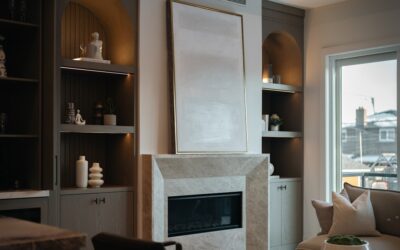
Few decor pieces brighten a room as effortlessly as a cream area rug. With its warm, soft-white tone, cream sits comfortably between stark white and beige, lending a space an airy, inviting feel without the coldness of pure white or the heaviness of darker neutrals. It works as a calming backdrop in nearly any style, from modern to farmhouse to coastal. The one catch is upkeep, since light rugs show dirt more readily, but with the right material and care a cream rug stays beautiful for years. This guide covers styling, cost, materials, and cleaning.
Why Cream Works in So Many Rooms
Cream is one of the most flexible neutrals because it has just enough warmth to feel cozy while still reading as a light, brightening color. It bounces natural light around a room, making small or dim spaces feel larger and more open. As a backdrop, it lets bolder furniture, art, and accent pillows take center stage, and it pairs beautifully with both warm tones like wood, brass, and terracotta and cooler tones like soft gray and blue. That versatility is why designers reach for cream so often.
Styling a Cream Area Rug
A cream rug adapts to many looks depending on what you layer with it:
- Modern and minimalist: Pair a plush cream rug with clean-lined furniture and a few black or metallic accents.
- Farmhouse and rustic: Combine cream with natural wood, woven textures, and warm earth tones.
- Coastal: Mix cream with soft blues, whites, and natural fibers for a breezy feel.
- Layered look: Set a smaller patterned or jute rug over a large cream rug for depth.
Texture matters with a solid color. A high-pile shag, a subtle geometric weave, or a cut-and-loop pattern keeps a cream rug from looking flat and adds quiet visual interest.
How Much a Cream Area Rug Costs
Price depends mostly on size and material. As a general guide for a common 8×10 size:
- Synthetic (polypropylene, polyester): $100 to $350.
- Wool blends: $400 to $900.
- Hand-tufted wool: $700 to $1,800.
- Natural fiber (wool, jute blends): varies widely with quality.
Smaller rugs cost less and larger ones more. Budget for a quality rug pad as well, which cushions the rug and helps protect a light color from grinding dirt into the floor.
Choosing the Right Material for a Light Rug
Material choice is especially important with cream, because the color shows soil. For high-traffic rooms or homes with kids and pets, a stain-resistant synthetic like polypropylene or polyester is the practical pick, since spills clean up easily and many are even machine washable in smaller sizes. Wool is a beautiful, durable upgrade that naturally resists dirt and crushing, but it costs more and needs professional cleaning. Avoid delicate fibers and very long shag in dining areas or entryways where staining is likely.
Keeping a Cream Rug Clean
The reputation that light rugs are impossible to keep clean is overblown if you stay on top of maintenance:
- Vacuum regularly, at least weekly, to prevent dirt from settling deep into the fibers where it dulls the color.
- Blot spills immediately, working from the outside in, and never rub, which spreads the stain and damages fibers.
- Use a mild cleaning solution appropriate for the rug’s material, and always test it in a hidden spot first.
- Rotate the rug every few months so it wears and lightens evenly with sun exposure.
- Consider a no-shoes policy in the room to dramatically cut down on tracked-in soil.
For deep cleaning, follow the manufacturer’s guidance; many synthetic cream rugs can be cleaned at home, while wool benefits from a professional service every couple of years.
Cream vs. White, Beige, and Ivory
The neutral rug aisle is full of similar-sounding shades, and the differences are real. A bright white rug is the crispest and most modern but also the least forgiving, showing every speck of dirt. Beige leans more tan and earthy, reading warmer and hiding soil better but feeling slightly heavier. Ivory is very close to cream, often just a hair cooler or lighter.
Cream’s appeal is that it brightens like white but with enough warmth to feel cozy and to camouflage minor soiling better than true white. If your room runs warm with wood tones and soft lighting, cream usually looks more harmonious than stark white. If your decor is cool and crisp, you might prefer ivory or a clean white. Whenever possible, order a swatch and compare it against your flooring and furniture in natural light before deciding.
Best Rooms for a Cream Rug
A cream rug works almost anywhere, but it shines in certain rooms. In living rooms it creates a bright, airy foundation that lets furniture and art stand out, and in bedrooms its soft warmth makes the space feel serene and restful. Formal dining rooms benefit from cream’s elegance, though you should lean on a stain-resistant or washable material there given the spill risk.
Where you should think twice is in the highest-mess zones, such as entryways, mudrooms, and homes with very active pets, where a light rug will need constant attention. If you love the look in those spots, choose a washable cream rug or one with a subtle pattern that disguises soil. For lower-traffic rooms like bedrooms, home offices, and formal sitting areas, cream is an easy, low-worry choice that delivers maximum brightness and style.
Lighting also plays a role in where cream looks its best. In a room with plenty of natural light, a cream rug glows and reinforces an airy, open feel. In a darker space, cream helps bounce what light there is and keeps the room from feeling heavy, which is one reason designers favor it in basements and north-facing rooms. Consider the warmth of your bulbs too, since very warm lighting can push cream toward a yellow cast that you may or may not want.
The Bottom Line
A cream area rug is a timeless, light-brightening neutral that complements almost any decor and makes rooms feel open and inviting. The key to enjoying one long term is choosing a practical material for your traffic level, adding a rug pad, and keeping up with regular vacuuming and prompt spill cleanup. Get those basics right and a cream rug delivers warmth and elegance without the maintenance headaches many people fear.