
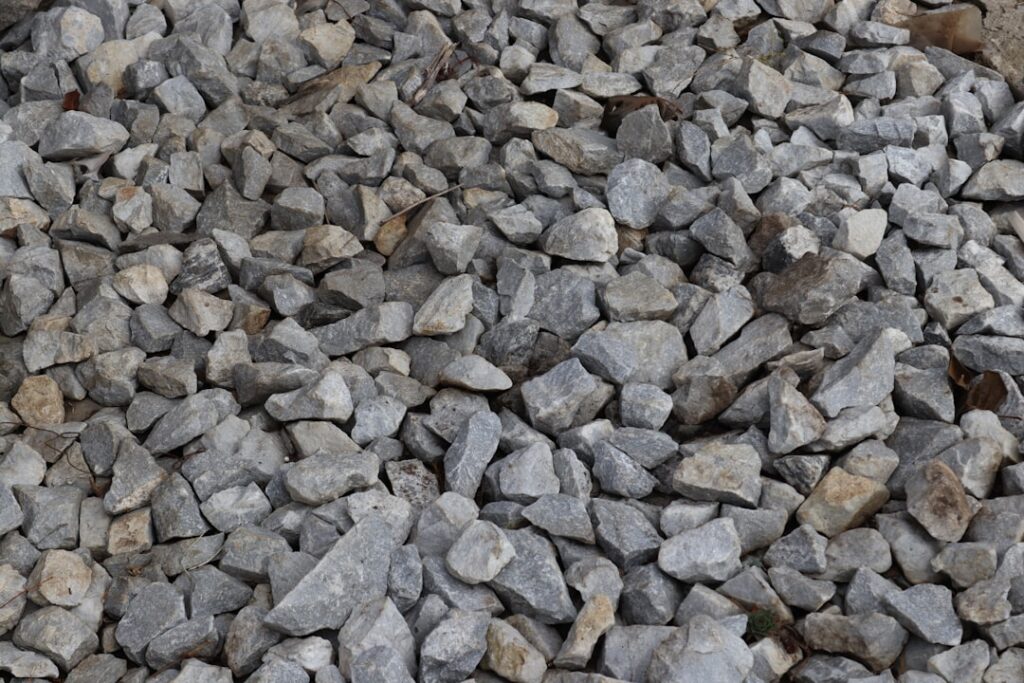
For a durable, water-wise yard that looks natural and costs less than pavers, crushed stone is hard to beat. Crushed granite landscaping uses small, angular granite particles to build pathways, patios, driveways, and planting beds that drain well, suppress weeds, and need very little upkeep. It is a favorite in drought-prone regions and a smart choice anywhere you want a clean, finished ground surface without the price of hardscape.
Part of our Countertops guide — explore the full guide →
The material is versatile and forgiving, but a lasting result still depends on the right product, proper depth, and good edging. Here is how to plan and install it like someone who has done it before.
Decomposed Granite Versus Crushed Granite Gravel
The first thing to sort out is which form you actually want, because the terms get used loosely. Decomposed granite (often called DG) is granite that has weathered into a fine, sandy, gravel mix that compacts into a firm, natural-looking surface, ideal for walkable paths and patios. Crushed granite gravel is mechanically crushed into larger, more uniform angular chips that stay looser and drain fast, better for driveways, drainage, and decorative beds.
There is also stabilized DG, which blends in a binder so the surface compacts harder and resists erosion and tracking. For a path you will walk daily, stabilized DG holds up best; for decorative mulch around plants, loose crushed granite is fine.
Where It Works in the Yard
The material adapts to many uses:
- Walkways and garden paths – compacted DG gives a firm, natural surface.
- Patios and seating areas – stabilized DG creates an informal, permeable patio.
- Driveways – coarser crushed granite handles vehicle traffic with proper base.
- Planting beds and tree rings – a decorative, weed-suppressing alternative to bark mulch.
- Xeriscapes – a low-water ground cover that pairs with drought-tolerant plants.
Color ranges from warm tans and golds to gray and reddish-brown depending on the quarry, so choose a tone that complements your home and hardscape.
How Much You Need and Recommended Depth
Getting depth right prevents a thin, washboard surface. As a general guide, plan for these finished depths:
- Pathways – about 2 to 3 inches of material over a compacted base.
- Patios – roughly 3 inches, ideally stabilized, over a prepared base.
- Driveways – several inches of crushed granite over a deeper compacted aggregate base.
To estimate volume, multiply length by width by depth in feet, then divide by 27 to get cubic yards. Add a little extra for compaction and settling. Many suppliers sell by the ton or cubic yard and can help convert once you know your square footage.
Installation Step by Step
A proper base is what keeps the surface firm and weed-free for years.
- Excavate. Dig out the area to allow for your base plus finished granite depth, and remove roots and debris.
- Grade for drainage. Slope the area slightly so water runs off rather than pooling.
- Lay landscape fabric. A woven geotextile under the granite blocks weeds and keeps the stone from sinking into soil.
- Add and compact a base. For paths and driveways, install and compact a road-base layer first.
- Spread the granite. Add the material in lifts, rake level, and lightly mist it.
- Compact. Run a plate compactor over DG to lock it into a firm surface; mist again as you go.
For stabilized DG, follow the binder manufacturer’s mixing and curing instructions for best results.
Edging Keeps It in Place
Loose stone wants to migrate, so containment is essential. Install solid edging, steel, aluminum, stone, concrete, or pressure-treated timber, around beds, paths, and patios to hold the granite where it belongs and keep crisp lines. Without edging, the material spreads into lawns and beds and thins out over time.
Set the edging slightly proud of the surrounding grade and your granite flush or just below it, which makes mowing and cleanup easier and prevents tracking onto adjacent surfaces.
Cost and Maintenance
Crushed granite is one of the more economical landscape surfaces. Material commonly runs in the range of $40 to $80 per ton or a few dollars per square foot installed for simple projects, with stabilized and professionally installed work costing more. These are estimates; pricing depends on the granite type, delivery distance, and local labor, so get quotes from area suppliers.
Upkeep is light. Rake occasionally to keep the surface even, top up thin spots every few years as material compacts or migrates, and pull the rare weed that finds a foothold. Refresh stabilized surfaces per the product guidance. With good edging and the right base, crushed granite landscaping delivers years of attractive, low-maintenance ground cover for a modest investment.
Pros and Cons to Weigh
Before committing, balance the advantages against the limitations. On the plus side, crushed granite is affordable, permeable so it manages stormwater well, attractive in a natural way, and far cheaper than pavers or poured concrete. It suits drought-tolerant landscapes and adapts to curves and irregular shapes that rigid hardscape cannot follow easily.
The drawbacks are real, though. Fine decomposed granite can track indoors on shoes and pet paws, and loose gravel is harder to shovel snow from than a solid surface. It can wash or rut in heavy rain without proper grading and edging, and it is not ideal under play structures or for wheelchair and stroller traffic unless tightly stabilized. Weeds will eventually appear without good fabric underneath. Knowing these trade-offs up front helps you decide where the material fits and where a solid surface might serve better.
Combining Granite With Other Materials
Some of the best landscapes pair crushed granite with complementary elements. Stepping stones or large flagstones set into a DG path give firm footing while keeping the natural look. Boulders, drought-tolerant plantings, and steel edging turn a simple gravel bed into a designed feature. Using granite as the connective ground cover between planted islands, patios, and walkways ties a yard together affordably while keeping everything permeable and low-maintenance.
Color coordination pulls the whole scheme together. A warm golden DG complements adobe and stucco homes and desert plantings, while cooler gray granite suits modern and contemporary architecture. Picking a tone that echoes your home’s exterior and existing hardscape makes the installation look planned rather than incidental, and a single consistent gravel color across the property reads cleaner than a patchwork of mismatched batches.


