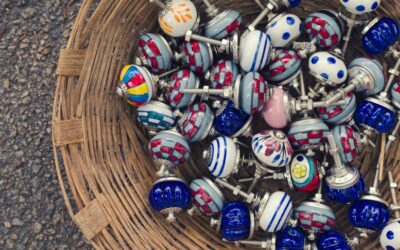
Most hardware labeled “crystal” is not crystal in the strict sense at all. Crystal cabinet pulls are usually made from one of two materials: optical glass (often sold as K9 glass, a clear borosilicate-style crown glass) or acrylic, a molded plastic cut to look like faceted glass. From across the room they can look nearly identical. In your hand, and after a few years of daily use, they behave very differently.
Part of our Kitchen Remodeling guide — explore the full guide →
Glass pulls are heavier, sparkle more because they bend light more sharply, and resist scratching, but they can chip or crack if a pot or a ring knocks them hard. Acrylic pulls are light, nearly unbreakable and cheaper, yet they scratch easily, can haze with harsh cleaners and may yellow slightly over many years of sun. For a vanity, a dresser or glass-front cabinet that gets moderate use, glass is usually worth it. For a busy kitchen with kids, acrylic or a glass pull with a solid metal base is the more forgiving choice.
- Crystal Cabinet Pulls: Glass vs Acrylic at a Glance
- Styles of Crystal Knobs for Cabinets and Drawers
- Choosing Size, Hole Spacing and Base Finish
- Tools and Materials
- How to Install Crystal Knobs and Pulls
- Glass Handling Safety
- Cleaning and Care
- Troubleshooting Common Problems
- Cost Ranges
- When to Call a Pro
- Frequently Asked Questions
The rest comes down to style, size and how the knob or pull is attached, because the base and screw fitting decide whether it stays tight for years.
Crystal Cabinet Pulls: Glass vs Acrylic at a Glance
This comparison covers the points shoppers ask about most when choosing crystal cabinet pulls or knobs. Price tiers are general and vary by size, finish and whether you buy singles or bulk packs.
| Feature | Glass (K9 or optical glass) | Acrylic |
|---|---|---|
| Clarity and sparkle | High; sharp facets throw rainbow light | Good when new; softer facets, less fire |
| Weight | Noticeably heavy for its size | Very light, almost weightless |
| Scratch resistance | High; holds polish for years | Low; fine scratches build up and dull it |
| Impact resistance | Can chip or crack if struck | Rarely breaks; may crack if overtightened |
| Long-term color | Stays clear | Can yellow or haze with sun and solvents |
| Typical price tier | Mid to high, often a few dollars to $15 or more each | Low, often under a few dollars each in multipacks |
| Common base finishes | Chrome, polished nickel, brushed nickel, brass, black | Same metal finishes, or all-acrylic with a plastic base |
| Best fit | Vanities, dressers, display cabinets, upscale kitchens | Kids’ rooms, rentals, high-traffic kitchens |
A quick way to tell them apart in a store: glass feels cool to the touch and has real heft, while acrylic warms quickly in your hand and feels hollow by comparison. Tap one gently with a fingernail and glass gives a sharper, higher click.
Styles of Crystal Knobs for Cabinets and Drawers
Crystal hardware comes in more shapes than the classic faceted round knob, and choosing the right style keeps it from looking fussy in a modern room.
Faceted round and diamond knobs
The traditional look. Twelve to thirty or more facets catch light from every angle. These suit vintage bathrooms, French country kitchens and glam dressers. Sizes typically run about 1 to 1.5 inches in diameter.
Bar and T-bar crystal drawer pulls
A straight glass or acrylic bar sits between two metal posts. Bar pulls read cleaner and more contemporary than knobs and are easier to grip for drawers that hold heavy pots. They come in standard hole spacings, so measure center to center before you buy replacements.
Smooth, bubble and fluted designs
Not every crystal knob is faceted. Smooth domes, bubble-filled glass and fluted ribbed shapes work in transitional and modern spaces where full sparkle would feel like too much.
Colored and smoked crystal
Amber, smoke gray, blush and clear-over-black options give a softer look and hide fingerprints better than water-clear pieces.
Choosing Size, Hole Spacing and Base Finish
Getting the proportions right matters more than the material. A pull that looks tiny on a wide drawer makes a whole run of cabinets look cheap.
- Knob diameter: 1 to 1.25 inches suits standard doors and small drawers; 1.5 inches works on larger doors and furniture.
- Pull length: A common rule is about one third of the drawer width. On a 30-inch drawer, a pull with roughly 10 inches overall, or two pulls, looks balanced.
- Center-to-center spacing: Common spacings include 3 inches, 3.75 inches (96 mm), 5 inches (128 mm) and 6.3 inches (160 mm). Matching the old holes saves you from filling and redrilling.
- Base finish: Match the faucet and lighting finish where you can. Polished chrome or nickel amplifies sparkle; brushed and black finishes tone it down.
- Screw fitting: Most knobs use a standard 8-32 machine screw. Check the included screws against your door thickness, typically 3/4 inch.
Mixing knobs on doors with crystal drawer pulls on drawers is a common, practical approach. Keep the base finish consistent so the two read as a set.
Tools and Materials
- Crystal or acrylic knobs or pulls, plus one or two spares
- Tape measure and a hardware drilling template or jig
- Drill with a 3/16-inch bit (or the size the instructions call for)
- Phillips screwdriver (hand tightening is safer than a drill for glass)
- Painter’s tape and a pencil for marking
- Longer or shorter machine screws if your doors are not standard thickness
- Soft cloth and a gentle glass cleaner
- Safety glasses and work gloves
How to Install Crystal Knobs and Pulls
- Unpack carefully. Lay each piece on a towel. Inspect for chips, cracks or loose bases before you drill anything; returns are easier while the holes are still unmade.
- Mark the location. Use a template so every door matches. For knobs on doors, 2 to 3 inches from the corner opposite the hinges is typical. For drawers, center the pull or line it up with the knobs on the doors over it.
- Drill from the front. Put painter’s tape over the mark to reduce splintering, and hold a scrap block behind the door. Drill straight and slowly.
- Check the screw length. The screw should engage the knob’s threads fully without bottoming out. A screw that bottoms out can crack a glass insert or split an acrylic one.
- Tighten by hand. Turn until snug, then a quarter turn more. Overtightening is the most common reason acrylic cracks and glass bases loosen from their metal collars.
- Test the action. Open and close each door. If a knob spins, add a small rubber washer or a drop of removable thread locker on the screw.
Glass Handling Safety
Glass hardware is small, but a cracked knob leaves sharp edges. Wear gloves and safety glasses when unpacking, installing or removing glass pieces, and never strike or pry a glass knob with a metal tool. If a knob cracks, remove it with gloves on, wrap it in newspaper before you throw it away, and vacuum the area for small fragments. Some decorative pieces use tempered or toughened glass, which breaks into small blunt pieces, but most knobs use solid cast glass, so treat any damaged one as sharp.
In homes with toddlers, keep in mind that a knob mounted low on a base cabinet is right at head height for a small child. Smooth or rounded crystal shapes, or acrylic, are a gentler choice for those lower doors.
Cleaning and Care
Clean finish is what makes crystal hardware look expensive, and dull, smudged knobs undo the whole effect.
- Glass: Wipe with a microfiber cloth lightly misted with a gentle glass cleaner or a 50/50 mix of water and white vinegar. Spray the cloth, not the knob, so liquid does not run into the metal base.
- Acrylic: Use mild dish soap and water only. Ammonia-based glass cleaners, alcohol and solvents can cloud acrylic permanently.
- Metal bases: Dry them right after cleaning. Vinegar left on brass or brushed nickel can spot the finish.
- Deep cleaning: Remove glass knobs once a year and soak them in warm soapy water, then rinse and dry fully before reinstalling.
- Avoid abrasives: Scouring pads scratch acrylic immediately and can scuff plated bases.
Troubleshooting Common Problems
| Problem | Likely cause | Fix |
|---|---|---|
| Knob keeps spinning loose | Short screw or worn threads | Longer screw, rubber washer or removable thread locker |
| Glass loose in its metal base | Adhesive failure | Replace the knob; regluing rarely holds |
| Acrylic looks cloudy | Harsh cleaner or fine scratches | Plastic polish may help; replace if deeply hazed |
| Crack near the screw | Overtightening or screw bottoming out | Replace and use the correct screw length |
| Pull will not line up | Spacing mismatch | Measure center to center; fill and redrill if needed |
Cost Ranges
Acrylic crystal knobs often come in multipacks at a low per-piece cost, which makes a full kitchen refresh affordable. Glass knobs with metal bases typically cost several times more per piece, and long glass bar pulls cost more still. A kitchen with 30 to 40 pieces of hardware can range from well under $100 in acrylic to a few hundred dollars in good glass. Professional installation, where a handyman drills new holes and fills old ones, usually adds a modest hourly labor charge.
When to Call a Pro
Swapping knobs into existing holes is an easy DIY job. Consider a handyman or cabinet installer if you are changing hole spacing across many doors, working on expensive custom cabinetry, or need old holes filled and touched up invisibly. Cabinet makers can also fit backplates to hide old holes when you move from pulls to crystal knobs.
Frequently Asked Questions
Are crystal cabinet pulls real crystal?
Rarely. Most are optical glass, often sold as K9 glass, or acrylic. True leaded crystal is uncommon in cabinet hardware because of cost and weight.
Do acrylic cabinet knobs yellow over time?
Quality acrylic resists yellowing well, but long exposure to direct sun and harsh solvents can cause slight yellowing or haze. Clean with mild soap and water only.
Are glass knobs strong enough for kitchen cabinets?
Yes, for normal use. Solid glass knobs handle daily opening without trouble. The risk comes from impacts, such as a heavy pot swinging into a low knob.
How do I clean crystal knobs without damaging the base?
Mist a microfiber cloth with glass cleaner or diluted vinegar, wipe the glass, and dry the metal base right away. Use soap and water for acrylic.
Can I mix crystal knobs and metal pulls?
Yes. Crystal knobs on doors with metal or crystal bar pulls on drawers is a common pairing. Keep the metal finish the same so the hardware looks intentional.