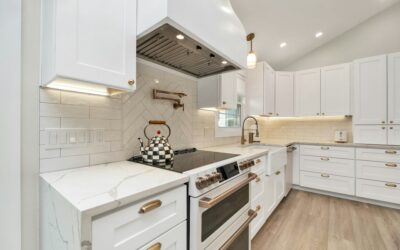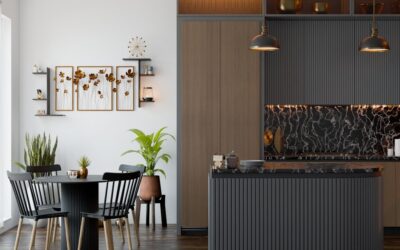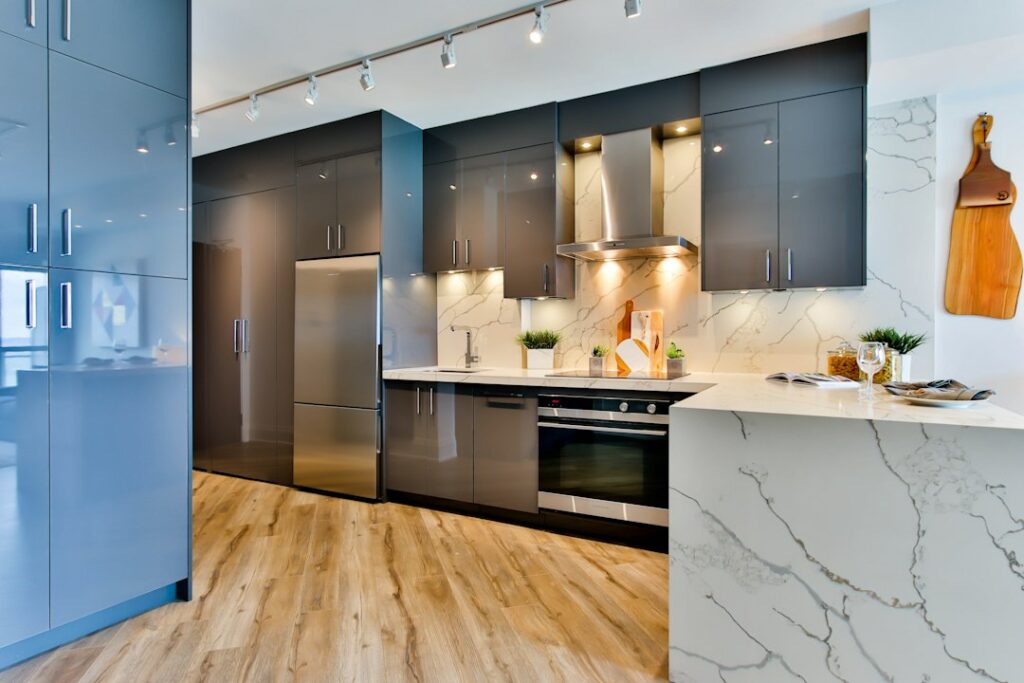
Changing hardware is the cheapest way to make a kitchen or bathroom look different, and color does more than shape. Blue cabinet pulls work best when the shade relates to something else in the room: a backsplash tile, a countertop vein, a rug or the wall paint. Navy and deep cobalt read as classic and pair with white, cream and wood cabinets. Sky blue and painted ceramic knobs feel casual and suit cottage, coastal and kids’ spaces.
Part of our Kitchen Remodeling guide — explore the full guide →
Material matters as much as shade. Powder-coated metal holds an even color and stands up to daily use. Glazed ceramic and glass give depth and pattern but can chip if knocked. Enamel and resin options land in between.
- Blue Cabinet Pulls Shades and Pairings
- Choosing Materials and Finishes
- Sizing and Placement
- Colorful Cabinet Knobs: Mixing and Matching
- Blue Hardware by Room
- Tools and Materials
- Step-by-Step: Installing Blue Cabinet Knobs and Pulls
- Troubleshooting Common Problems
- General Cost Ranges
- When to Call a Pro
- Frequently Asked Questions
Blue Cabinet Pulls Shades and Pairings
| Blue shade | Common materials | Cabinet colors it suits | Wall pairings |
|---|---|---|---|
| Navy | Powder-coated metal, enamel | White, cream, light gray, natural oak | Warm white, greige, soft gray |
| Cobalt | Ceramic glaze, glass, enamel | White, pale gray, black | Bright white, pale blue |
| Sky or powder blue | Ceramic, painted wood, resin | White, buttery yellow, natural pine | Cream, soft white, light sage |
| Teal or peacock | Ceramic glaze, enamel | White, walnut, black | Warm white, terracotta accents |
| Denim or slate blue | Powder-coated metal, ceramic | Gray, white, light wood | Light gray, linen |
| Patterned blue and white | Ceramic, porcelain | White, cream | White, pale blue |
| Blue glass | Glass with metal base | White, painted cabinets | Bright white, pale gray |
A useful rule: dark blues act like a neutral, so they suit large runs of cabinets and many drawer fronts. Bright and patterned blues are accents, and they look best on a single piece such as a vanity, an island, a hutch or a child’s dresser. If your cabinets are already blue, choose hardware in a contrasting finish or a much lighter or darker blue so the pulls do not disappear.
Choosing Materials and Finishes
Powder-coated and painted metal
This is the most durable route for blue drawer pulls in a busy kitchen. The color is baked on, it wipes clean, and bar and cup pulls come in standard hole spacings. Look for a coating that is described as chip-resistant.
Ceramic and porcelain
Glazed knobs offer the richest color, from cobalt to hand-painted patterns, and each piece can vary slightly. They are usually knobs rather than long pulls, mounted with a single screw through a metal insert. Keep them away from doors that swing hard into an adjacent cabinet.
Glass
Blue glass knobs catch light nicely in bathrooms and vintage-style kitchens. Choose ones with a solid metal base and a threaded insert so the glass is not stressed when you tighten the screw.
Enamel, resin and wood
Enamel gives a glossy, vintage look. Resin is light and colorful, a good fit for kids’ furniture. Painted wood knobs can be refreshed with paint later, which makes them easy to adapt if your decor changes.
Sizing and Placement
Pulls are measured center to center, the distance between screw holes. Common spacings are 3 inches, 96 mm (about 3-3/4 inches), 128 mm (about 5 inches) and 160 mm (about 6-5/16 inches). If you are replacing existing pulls, measure the old holes first so the new hardware covers them.
- Drawers up to about 12 inches wide: a single knob or a short 3 inch pull.
- Drawers 12 to 24 inches wide: a pull about one-third the drawer width.
- Drawers over 24 inches: a long pull or two knobs.
- Doors: knobs or pulls placed 2 to 3 inches from the edge opposite the hinge, on the lower corner of upper doors and the upper corner of base doors.
Colorful Cabinet Knobs: Mixing and Matching
Colorful cabinet knobs are fun, but a few limits keep them from looking random. Stick to one blue family and vary only the pattern, or alternate blue knobs with a neutral finish in a deliberate rhythm. Repeat the color somewhere else in the room, such as a towel, a pendant shade or a planter, so the hardware looks planned. On a child’s dresser, mismatched colors are part of the charm; on a kitchen run, matching knobs on doors and matching pulls on drawers keep it orderly.
Blue Hardware by Room
Kitchens
Kitchens get the most wear, so choose durable blue cabinet pulls with a baked-on or glazed finish for drawers that open dozens of times a day. Navy bar pulls on white shaker cabinets are a dependable combination, and they echo blue-and-white backsplash tile or a navy island nicely. If you want a bolder color, put it on the island only and keep the perimeter in a quieter finish.
Bathrooms
Humidity is hard on cheap painted hardware, so look for glazed ceramic, glass or powder-coated metal. Cobalt and teal knobs pair well with white vanities and chrome or nickel faucets, and blue glass picks up light from the mirror.
Bedrooms and kids’ rooms
Dressers and nightstands are the best place to experiment. Sky blue, patterned ceramic and mixed colorful knobs bring personality without the commitment of a whole kitchen, and they are easy to swap when tastes change.
Laundry rooms and mudrooms
These utility spaces are a low-risk spot for a stronger blue. Denim or slate tones hide fingerprints and grime better than pale blues, which helps in rooms full of muddy boots and laundry baskets.
Tools and Materials
- A cabinet hardware jig or a homemade template from scrap wood
- Drill with a 3/16 inch bit (or the size the hardware specifies)
- Tape measure, pencil and a small square
- Painter’s tape to mark holes and prevent splintering
- Phillips screwdriver
- Longer or shorter screws if your doors are unusually thick or thin
- Wood filler for old holes if the new spacing differs
Step-by-Step: Installing Blue Cabinet Knobs and Pulls
- Decide placement once. Pick a position for doors and for drawers and write it down so every piece matches.
- Set up the jig. Lock the jig to your measurement and spacing. A jig makes every hole land in the same place on every door.
- Tape and mark. Put painter’s tape where the hole goes and mark through the jig.
- Drill from the front. Hold the drill square and back the door with a scrap block to stop blowout on the inside face.
- Test fit one piece. Install a single pull and check it before drilling the rest.
- Install the rest. Snug screws by hand; overtightening can crack ceramic and glass or strip the threads.
- Fill old holes. If the new spacing differs, fill, sand and touch up the old holes, or choose a pull with a backplate to cover them.
Troubleshooting Common Problems
Knob spins after a few weeks
The screw has loosened. Add a dab of removable thread locker, or use a lock washer under the screw head inside the door.
Screw too long or too short
Doors vary in thickness. Most hardware stores sell break-away screws you can snap to length.
Color chips or fades
Cheap paint finishes wear at the grip points. Choose powder-coated or glazed hardware for high-use drawers, and keep painted knobs for light-duty furniture. Wipe hardware with a damp cloth and mild soap rather than abrasive cleaners, which can dull glazes and wear through painted color over time.
Pulls look crooked
Holes were drilled freehand. Fill and redrill with a jig, or use a backplate to hide small errors.
General Cost Ranges
Basic metal knobs and pulls are inexpensive per piece, while hand-glazed ceramic and art-glass knobs cost several times more. For a full kitchen with 25 to 40 pieces, budget for the high-use items first and consider spending more on visible statement pieces like an island. A handyman typically charges by the hour or by the piece for installation, which is worth it when new holes need drilling in expensive doors.
When to Call a Pro
Hire a cabinet installer or handyman when you are drilling new holes in custom or high-end doors, when existing holes need to be filled and the cabinets refinished, or when doors are veneered and prone to chipping. A pro can also realign sagging doors so the new hardware lines up.
Frequently Asked Questions
What color cabinets go with blue cabinet knobs?
White, cream, light gray and natural wood are the easiest matches. Black cabinets work with bright cobalt or teal.
Are blue drawer pulls a passing trend?
Navy and other deep blues behave like neutrals and age well. Bright and patterned blues are more personal, so they suit pieces you may change later.
Can I mix blue knobs with metal pulls?
Yes. A common approach is blue knobs on doors and metal pulls on drawers, with the metal finish repeated in the faucet or lighting.
Do ceramic knobs break easily?
They hold up to normal use but can chip if they hit another cabinet or a countertop edge. Use door bumpers where doors swing into each other.
How do I measure for replacement pulls?
Measure center to center between the two screw holes. Common sizes are 3 inches, 96 mm, 128 mm and 160 mm.