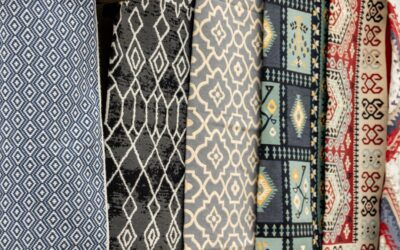
A swatch that looks like soft slate in the store can turn into a cold denim blue on a north-facing bedroom floor. That shift is the biggest surprise with grey blue carpet. The color sits between two families, so light, wall paint and even nearby furniture decide which side wins. Choose with that in mind and you get a calm, versatile floor that hides dirt better than pale grey and feels softer than bold blue.
The short version: pick the undertone first (green, violet or neutral), test samples in your own light for several days, then pair walls and trim that either echo the cool tone or warm it up on purpose.
- What Makes Grey Blue Carpet Different
- Common Shades and Their Undertones
- How Light Changes the Color
- How to Test Samples Properly
- Wall Color Pairings
- Trim, Doors and Wood Tones
- Room-by-Room Ideas
- Choosing Fiber, Pile and Pad
- Caring for a Blue-Grey Floor
- Troubleshooting Color Problems
- General Cost Ranges
- When to Call a Pro
- Frequently Asked Questions
What Makes Grey Blue Carpet Different
Pure grey carpet is neutral and can read flat. Pure blue carpet makes a strong statement. Grey blue carpet blends the two, with enough grey to stay quiet and enough blue to add depth. Designers often call these shades slate, steel, pewter blue, stormy blue or blue-grey.
Because the color is muted, it works in rooms where a saturated blue would feel heavy, such as bedrooms, offices, stairs and family rooms. It also hides lint, pet hair and light soil better than a light grey, especially in a mid-tone with a slight heather.
Common Shades and Their Undertones
- Light blue-grey: soft and airy, almost a cloudy sky. Reads grey in warm light and bluer in cool light. Shows dirt more easily.
- Slate: a mid-tone with a slight green or charcoal undertone. Very forgiving and works in high-traffic rooms.
- Steel blue: cooler and clearer, with more obvious blue. Pairs well with crisp white trim and modern furniture.
- Stormy or dusky blue-grey: deeper with a hint of violet. Feels cozy in bedrooms and dens.
- Charcoal blue: almost navy in some lights, almost charcoal in others. Excellent at hiding soil on stairs and in family rooms.
To find the undertone, set the sample next to a sheet of plain white printer paper. A green cast points toward slate; a purple or pink cast points to stormy shades; a clean blue with no tint is steel.
How Light Changes the Color
No carpet color moves around as much as a blended cool tone. Plan for the light the room actually gets:
- North-facing rooms: cool, indirect daylight makes the carpet look bluer and slightly darker. Lean toward warmer greys with only a hint of blue.
- South-facing rooms: bright, warm light washes out blue and brings out grey. You can choose a bluer shade here.
- East and west rooms: the color will shift through the day, cooler in the morning on the east side, warmer late in the day on the west.
- Warm white bulbs (about 2700K): pull grey forward and soften the blue.
- Cool white or daylight bulbs (about 4000 to 5000K): make the floor read noticeably bluer.
Pile and texture matter too. Cut-pile plush shows shading and looks darker when the fibers lie in one direction. Loop and textured styles break up light and keep color more consistent. A heathered or tweed yarn that mixes grey and blue strands tends to look the same in more lighting conditions.
How to Test Samples Properly
- Order large samples. Small chips mislead. Ask for samples at least 12 by 12 inches, or borrow a larger one from the store. A carpet sample kit with several neighboring shades makes comparison easier.
- Place them on the floor. Look at samples where they will be installed, not held up against a wall.
- Check at three times of day. Morning, midday and evening with lamps on. Take phone photos for comparison, but trust your eyes.
- Test against your walls and trim. Put the sample beside the baseboard and under your sofa or bed.
- Live with it for several days. Your first impression often changes after a few days of seeing it in normal light.
Wall Color Pairings
Walls do the most to shift how a blue-grey floor reads. Choose based on the mood you want:
- Warm white or cream walls: balance the cool floor and keep the room from feeling chilly. A safe choice for north-facing rooms.
- Soft greige: blends with the grey side and lets the blue show as a subtle accent.
- Pale grey with a blue undertone: creates a tonal, calm look; best in bright rooms so it does not feel cold.
- Sage or muted green: pairs naturally with slate shades that already lean green.
- Navy or deep blue accent wall: deepens the palette in bedrooms and offices.
- Blush or warm taupe: softens stormy shades with violet undertones.
Avoid very saturated warm colors like bright yellow or orange on every wall; the contrast can make the carpet look dull and grey.
Trim, Doors and Wood Tones
Crisp bright white trim sharpens steel and light blue-grey shades. Softer off-white trim is kinder to slate and charcoal tones. For doors and furniture, warm woods like oak, walnut and cherry add contrast that keeps a cool floor from feeling sterile. Black or dark bronze hardware suits charcoal and steel shades, while brushed brass warms up lighter blue-greys.
If the carpet runs into a room with wood or vinyl plank flooring, use a transition strip in a neutral tone and try to pick a plank with either warm honey or cool grey-washed tones, not something in between that looks like a near miss.
Room-by-Room Ideas
Bedrooms
Stormy and slate shades create a restful bedroom. Pair with white bedding, a wood headboard and warm lamps to keep the room cozy.
Living and Family Rooms
Choose a mid-tone or charcoal blue-grey to hide wear. A textured or patterned style handles traffic better than plush. Add warm accents in throws and pillows.
Stairs and Hallways
Darker blue-grey is ideal on stairs, where traffic and soil concentrate. A low, dense pile is safer underfoot and wears better on stair noses.
Home Offices and Kids’ Rooms
Steel blue and light blue-grey work well, with good stain resistance a priority in kids’ rooms. Solution-dyed fibers resist fading and many stains.
Choosing Fiber, Pile and Pad
Color only tells half the story. Nylon is the most resilient common carpet fiber and holds its texture in busy rooms, which matters because a crushed traffic lane looks lighter and greyer than the surrounding pile. Polyester offers rich, saturated color and good stain resistance at a lower cost, but it mats faster on stairs and in hallways. Wool takes dye beautifully and gives blue-grey shades a soft, natural depth, though it costs more and needs gentler cleaning. Solution-dyed fibers carry color all the way through each strand, so they resist fading and bleach spots better than surface-dyed yarns.
For pile, a short, dense cut pile or a textured saxony suits bedrooms and living rooms, while a low loop or cut-and-loop pattern hides footprints and vacuum marks in family rooms. Pair any of them with a quality pad of the density your installer recommends; a pad that is too soft lets the carpet flex and wear early, and premature wear shows quickly on a cool, mid-tone color.
Caring for a Blue-Grey Floor
Vacuum high-traffic areas at least twice a week to keep grit from dulling the fibers. Blot spills right away with a clean white cloth and plain water before trying a carpet-safe spot cleaner; test any cleaner on a hidden corner first, since some products can leave a lighter halo on cool tones. Schedule professional hot water extraction every 12 to 18 months, or as your carpet warranty specifies, to lift the soil that slowly turns blue-grey carpet a muddier shade.
Troubleshooting Color Problems
- Carpet looks too blue: switch to warm white bulbs, add warm wall color or layer a neutral area rug.
- Carpet looks flat and grey: add blue accents in pillows, art or curtains to bring the blue forward.
- Light and dark patches after install: that is usually pile shading, not a dye problem. Vacuum in one direction and give it a few weeks.
- Color mismatch between rooms: order all carpet from the same dye lot and install from the same roll when possible.
- Fading near windows: use window film or shades, and choose solution-dyed fiber for sunny rooms.
General Cost Ranges
Color itself rarely changes price, but fiber and construction do. Basic polyester and olefin carpets sit at the lower end, mid-grade nylon in the middle, and wool or premium nylon at the top. Installation, pad and removal of old flooring add to the per-square-foot total. Get quotes that list carpet, pad, labor, stairs and removal separately so you can compare fairly.
When to Call a Pro
Most homeowners hire a professional carpet installer for stretching and seaming, which takes power stretchers and practice. A pro is especially helpful for stairs, large rooms with seams and patterned or striped blue-grey styles that must line up. Ask the installer where seams will fall, since light across a seam can make a slight color difference more visible in a cool-toned carpet.
Frequently Asked Questions
What wall color goes with grey blue carpet?
Warm whites, soft greige and sage greens are safe choices. Navy or deep blue works well as an accent wall in bedrooms and offices.
Does grey blue carpet hide dirt?
Mid-tone and darker shades hide dirt well, especially in heathered yarns. Very light blue-grey shows lint and soil more easily.
Why does my blue-grey carpet look different at night?
Warm bulbs pull grey forward and cool bulbs make it look bluer. Bulb color temperature changes the floor’s appearance.
Is grey blue carpet a good choice for resale?
Soft, muted blue-grey shades are widely appealing and calmer than bold blue, so they tend to suit a broad range of buyers.
What furniture goes with grey blue carpet?
Warm wood furniture, white or cream upholstery and black or brass metal accents all pair well with blue-grey floors.