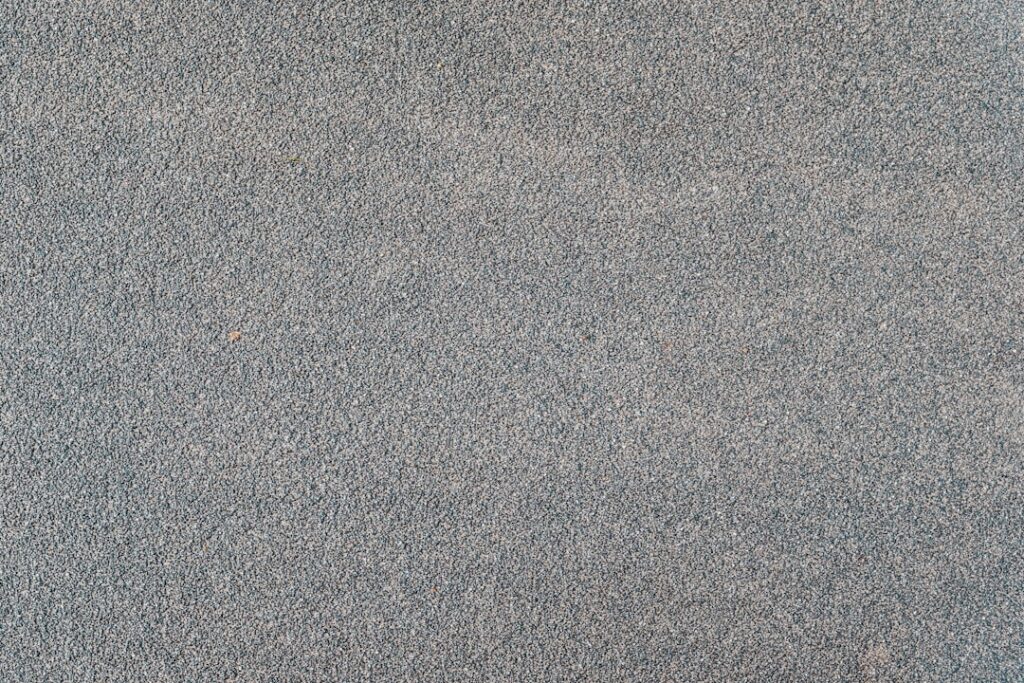
A grey carpet bedroom has become the default choice for homeowners who want a neutral base that won’t fight with changing decor over the years. Unlike beige, which reads dated in a lot of 2026 interiors, a well-chosen grey carpet bedroom flexes between warm and cool color schemes, hides everyday dust better than white, and photographs cleanly for resale listings. Getting it right, though, depends on undertone, pile type, and lighting decisions most homeowners don’t think through until after installation.
- Why Grey Carpet Works in Bedrooms
- Warm Grey vs Cool Grey: Picking the Right Undertone
- Pile Types and Comfort Underfoot
- Grey Carpet Shades From Light to Charcoal
- Pairing Wall Colors and Bedding with Grey Carpet
- Lighting's Effect on Grey Carpet Appearance
- Cost and Durability Considerations
- Maintenance Tips to Keep Grey Carpet Looking Fresh
Why Grey Carpet Works in Bedrooms
Grey sits as a genuine neutral on the color wheel, meaning it doesn’t carry the yellow undertone of beige or the visual weight of brown. That neutrality lets a grey bedroom floor pair equally well with a moody navy-and-brass scheme or a soft blush-and-white palette without a full flooring replacement in between. Grey also does a better job than lighter tans at masking everyday shadowing from furniture legs and foot traffic patterns, particularly in mid-tone shades between 40 and 60 percent light reflectance value (LRV).
From a resale standpoint, real estate agents consistently point to grey carpet as one of the safest flooring colors in a bedroom, since it reads as updated without alienating a buyer’s existing furniture or wall color choices.
Grey also ages more gracefully than most trend colors. Carpet is a 7- to 10-year commitment for most households, and design trends shift faster than that window. A homeowner who installs a saturated color, like a deep teal or burgundy, risks the carpet looking dated well before it wears out physically. Grey has held steady as a top-three requested bedroom flooring color for over a decade, which lowers the risk of regretting the choice halfway through its useful life.
Warm Grey vs Cool Grey: Picking the Right Undertone
Grey carpet isn’t a single color; it carries either a warm undertone (leaning slightly toward beige or taupe) or a cool undertone (leaning toward blue or green). Cool greys pair naturally with crisp white trim, black accents, and blue-toned bedding, creating the sleek, modern look common in contemporary bedroom design. Warm greys, often called “greige,” soften a room and pair better with wood furniture, brass fixtures, and warmer wall colors like Sherwin-Williams Repose Gray or Agreeable Gray.
The biggest mistake homeowners make is choosing a carpet sample under showroom lighting and finding it shifts noticeably once installed under their bedroom’s natural or LED lighting. Always test a carpet sample in the actual room, at both midday and evening, before committing to yardage.
A practical trick contractors use: hold the sample against the room’s existing trim and door casing. If the carpet suddenly reads blue or purple next to bright white trim, it has a cool undertone; if it reads slightly tan or yellow-green, it leans warm. This side-by-side comparison catches undertone shifts that are nearly invisible when a swatch is viewed alone under a single light source.
Pile Types and Comfort Underfoot
Plush (velvet) pile carpet gives a grey bedroom a smooth, formal look with a dense, cut-pile surface around 0.5 to 0.625 inches tall, though it shows vacuum lines and footprints more readily. Frieze (twist) pile uses longer, more tightly twisted fibers, typically 0.75 to 1 inch, that kink in different directions to hide footprints and crush marks, making it the more practical choice for a primary bedroom used daily.
Berber and looped pile styles are more common in basements or high-traffic zones, but they run cooler underfoot and read less cozy in a bedroom setting. Most bedroom installations favor a plush or frieze pile with a stain-resistant nylon or solution-dyed polyester fiber, since bedrooms don’t see the moisture exposure of living rooms or kitchens.
Carpet padding matters more than most homeowners budget for. A 7/16-inch pad rated at 8 pounds density under a plush pile adds noticeably to the soft, sink-in feel that makes a bedroom comfortable underfoot, while a thinner or lower-density pad flattens carpet fibers faster regardless of how well the carpet itself is made. Spending an extra $0.50 to $1 per square foot on quality padding typically extends the visual life of a grey carpet by two to three years.
Grey Carpet Shades From Light to Charcoal
Light dove grey (LRV 55 to 65) opens up a small bedroom visually and pairs well with natural light, but shows stains and pet hair more readily than mid-tones. Mid-tone greys (LRV 30 to 50) are the most popular choice overall because they balance visual softness with practical stain-hiding, working equally well in bedrooms with abundant natural light or more limited window exposure. Charcoal and slate greys (LRV under 25) create a dramatic, grounded look and hide traffic patterns exceptionally well, but they absorb more light and can make a small or north-facing bedroom feel smaller if not balanced with lighter walls and bedding.
A useful rule of thumb: rooms under 120 square feet generally benefit from staying in the light-to-mid-tone range, while primary bedrooms over 200 square feet can carry a charcoal or slate floor without feeling cramped, especially when paired with a vaulted ceiling or larger windows that bring in more ambient light to offset the darker floor.
Pairing Wall Colors and Bedding with Grey Carpet
Cool grey carpet pairs cleanly with white, pale blue, or sage green walls, while warm grey (greige) carpet complements cream, soft yellow, or warm taupe wall tones. Contrast is what makes a grey-floored bedroom feel intentional rather than flat: pairing mid-tone grey carpet with white trim and one saturated accent wall color, such as deep forest green or navy, keeps the room from reading monochrome and dull.
For bedding and textiles, mustard, terracotta, and dusty rose all read particularly well against grey carpet because they sit on the opposite side of the color wheel and create visual warmth in a room that could otherwise skew cold. Layering a patterned area rug or a textured wool throw over a solid grey carpet also adds depth that a single-tone floor can lack on its own.
Lighting’s Effect on Grey Carpet Appearance
Grey carpet shifts more dramatically under artificial lighting than warmer colors do. Standard warm-white LED bulbs (2700K to 3000K) push a cool grey carpet slightly warmer and can make it look muddy, while daylight-balanced bulbs (5000K) keep a cool grey looking crisp and true to the sample. North-facing bedrooms with limited direct sunlight tend to make grey carpet look cooler and flatter than the same carpet in a south-facing room with abundant natural light.
Before finalizing a purchase, view carpet samples in the bedroom itself under the specific bulbs that will be installed, not under the retailer’s fluorescent showroom lighting, which consistently misrepresents undertone.
Cost and Durability Considerations
Mid-range grey carpet for a bedroom typically runs $3 to $6 per square foot for material, with solution-dyed nylon or polyester options at the higher end of $6 to $8 per square foot for better stain and fade resistance. Installation, including padding and labor, adds another $1.50 to $3 per square foot, bringing a typical 200-square-foot bedroom project to roughly $900 to $2,200 all-in.
Nylon fiber carpets hold up better to long-term crushing and resilience, bouncing back after furniture is moved, while polyester offers better built-in stain resistance at a lower price point but can flatten faster in high-traffic paths. For a bedroom, where foot traffic is lighter than a hallway or living room, a quality polyester frieze in mid-tone grey often delivers the best value.
Maintenance Tips to Keep Grey Carpet Looking Fresh
Vacuum a grey carpet bedroom at least once a week, twice if pets sleep in the room, since grey shows both light dust and dark hair more than a patterned or multi-tone carpet would. Professional deep cleaning every 12 to 18 months, using hot-water extraction rather than dry chemical cleaning, keeps fibers from dulling and prevents ground-in soil from creating permanent traffic-pattern shading. Blot spills immediately with a clean cloth rather than rubbing, and keep a stain-specific carpet cleaner on hand, since grey carpet reveals both fresh stains and old set-in ones more readily than a darker or patterned floor covering would.