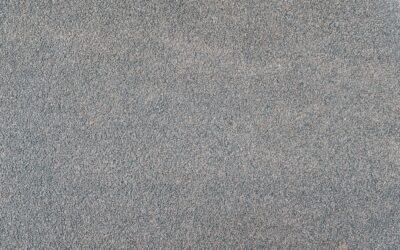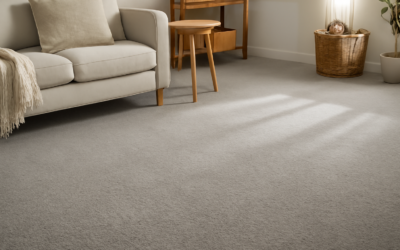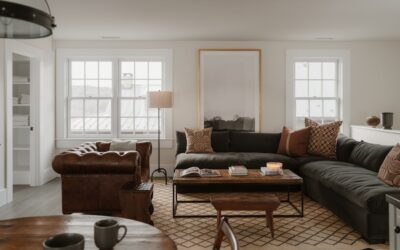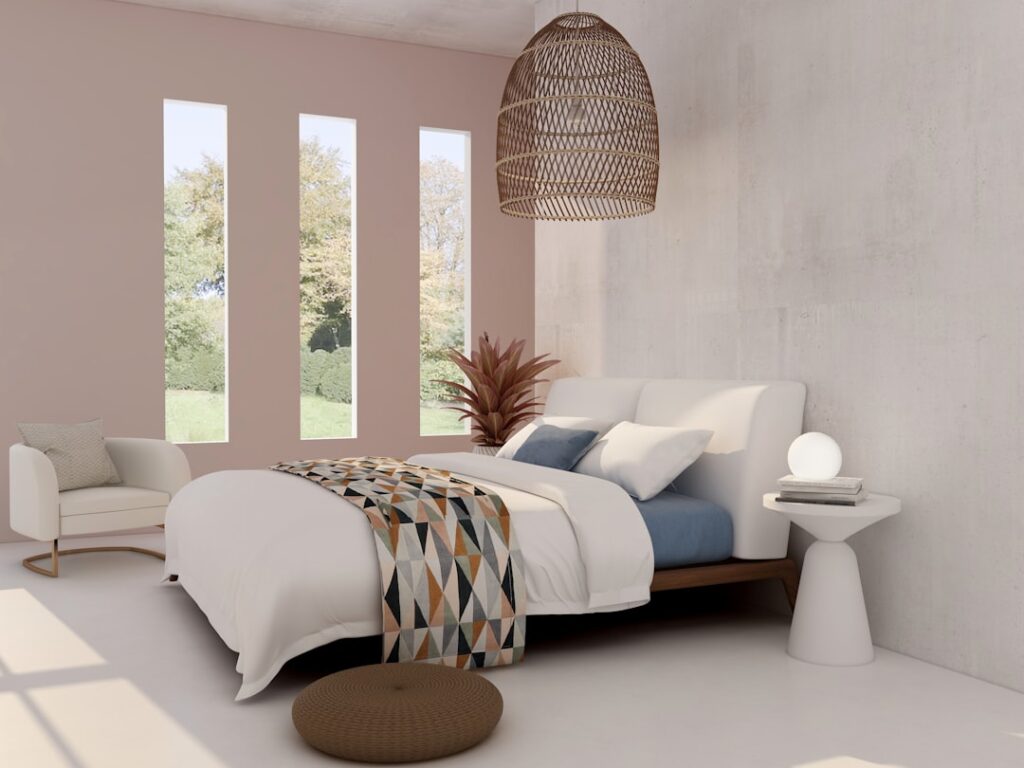
Grey took over bedroom flooring in the mid-2010s and never quite left. Done well, a grey flooring bedroom reads sophisticated and calming — the perfect backdrop for layered bedding, dramatic wall color, and warm wood furniture. Done poorly, it reads cold, dated, or industrial. The difference comes down to undertone, finish sheen, and how the floor interacts with daylight in the room. Picking right is more art than spec sheet, but a few rules help avoid the most common mistakes.
- Why Grey Works in Bedrooms
- Material Options for Grey Bedroom Floors
- Choosing the Right Undertone
- Pros That Drive the Popularity
- Cons to Plan For
- What to Pair With Grey Floors
- Brand Spotlight: Mohawk TecWood Smokehouse
- Installation Notes
- Carpet as an Alternative
- Maintenance to Keep It Looking New
- Is Grey Right for Your Bedroom
Why Grey Works in Bedrooms
Bedrooms are restful spaces with relatively low traffic. That gives grey flooring a chance to look its best — without scuffs, dust, and pet hair concentrating in the high-traffic patterns that punish grey in kitchens or hallways. Soft natural light through bedroom windows also flatters grey tones, which can look dingy under harsh overhead lighting.
Grey pairs well with the soft palettes that dominate bedroom design — white linen, oatmeal wool, sage green, dusty rose, navy, and warm wood furniture. It anchors the room without competing for attention.
Material Options for Grey Bedroom Floors
Three categories dominate grey bedroom installs. Engineered hardwood with grey-stained or fumed European oak runs $6 to $14 per sq ft material — Hallmark Floors Alta Vista, Mohawk’s TecWood Smokehouse, and Anderson Tuftex’s Chateau collection all carry strong grey options. Premium LVP from COREtec Originals, Karndean Korlok, and Mannington Adura in driftwood and weathered grey tones sits at $4 to $8 per sq ft. Carpet in solid greys from Stainmaster Pet Protect, Shaw Caress, or Anso Triexta runs $2 to $5 per sq ft.
Solid grey hardwood (factory pre-finished) like Bruce’s Driftwood Oak or Somerset’s High Performance Grey at $5 to $9 per sq ft is the budget option in real wood.
Choosing the Right Undertone
Greys come in three undertone families. Cool greys lean blue or purple — best in modern rooms with white walls and chrome or polished nickel fixtures. Warm greys lean brown or beige (greige) — flexible enough to work with both traditional and modern interiors. Neutral greys sit between — they look almost charcoal in dim light and silvery in bright light.
Test samples in the actual room at three times of day before committing. A grey that reads sophisticated at 10 AM can read purple at sunset under warm bulbs — a common surprise. Buy 12-by-12 inch samples and tape them down for 48 hours before deciding.
Pros That Drive the Popularity
Versatility is the headline. Grey works with virtually any wall color, furniture style, or bedding palette. That makes it a safe choice when you don’t want to rebox your aesthetic every five years. Greys also hide dust and pet hair better than dark espressos or pale whites — they sit in the middle of the visibility curve.
Modern grey-stained engineered oak in driftwood tones also reads as upscale and contemporary, supporting resale value in modern-construction neighborhoods.
Cons to Plan For
Dated trend risk is real. Some grey tones — particularly cool blue-greys with high-contrast white-washed grain that defined 2015-2018 design — already look out of fashion. Stick with neutral or warm greige tones for longest visual life.
Cool greys can read cold and clinical without warming elements. Bedrooms need layered textiles, warm-toned woods, and at least one warm bulb (2700K to 3000K) to balance the floor. Without those, grey floors can make the room feel like a hotel lobby rather than a personal retreat.
What to Pair With Grey Floors
Warm wood furniture — walnut, white oak, or rift-sawn maple — balances grey floors better than painted white or black furniture. Cream or oatmeal-toned bedding adds warmth. A patterned area rug under the bed in earth tones or muted blues breaks up the grey expanse and adds texture.
For walls, soft whites (Benjamin Moore Simply White, Sherwin Williams Alabaster) work universally. Warmer wall colors like sage green, dusty blue, or pale terracotta keep the room from reading too cold.
Brand Spotlight: Mohawk TecWood Smokehouse
Mohawk’s TecWood Smokehouse collection delivers grey-toned engineered oak at $5.50 to $7.50 per sq ft. The 7.5-inch wide planks come in shades from pale Smokehouse Cream to deep Smokehouse Ash, all with subtle wire-brushed texture that catches light and reduces the flatness that some grey floors suffer. The 4mm wear layer refinishes once, and the planks float over flat subfloors with attached IXPE underlayment. For a bedroom hitting the value tier in grey engineered hardwood, this is one of the most refined options at the price point.
Installation Notes
Bedrooms are typically the easiest rooms to install floors in — square or rectangular layouts, limited obstructions, and no plumbing or appliances. Acclimate planks 3 to 7 days in the room before install at 35 to 55 percent RH and 60 to 80 degrees F.
For floating installs, use a quality acoustic underlayment like QuietWalk Plus to reduce transfer of noise to rooms below. For glue-down, Bostik MVP4 or Sika MS Wood Floor adhesive over a moisture-tested slab. Closet floors often get overlooked — extend the floor through closets for a cohesive look rather than transitioning at the closet threshold.
Carpet as an Alternative
If barefoot comfort and acoustics matter more than refinishability, grey carpet remains a strong choice for bedrooms. Triexta from Mohawk SmartStrand or nylon from Stainmaster Pet Protect at 40 to 60 oz face weight delivers durability and stain resistance in the $3 to $5 per sq ft range. Pair with a quality 8 lb rebond pad for IIC 65+ acoustic performance.
Maintenance to Keep It Looking New
Vacuum or sweep weekly. Damp mop monthly with Bona Pro Series Hardwood Cleaner for wood or Stone, Tile and Laminate for LVP. Felt pads under furniture legs prevent scratches. Bedrooms benefit from blackout shades — UV exposure fades grey-stained floors faster than darker or natural finishes because the lighter base wood shows fade lines more visibly.
Is Grey Right for Your Bedroom
If your aesthetic leans modern, transitional, or coastal, grey flooring in a warm or neutral undertone delivers the calming, sophisticated foundation a bedroom needs. Avoid grey if your home is true traditional Colonial or Victorian — natural-finish oak or carpet suits those styles better. Whatever direction you go, take time to sample materials in the actual room before committing. The right grey transforms a bedroom; the wrong grey haunts you for a decade.
Prefer to explore on your own?
See how new flooring looks in your actual room in seconds — free, no signup.
Try the free Floor Studio →