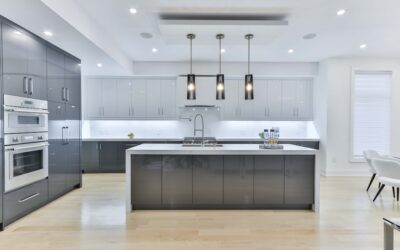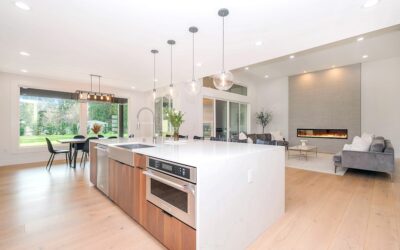
You can transform an entire kitchen without replacing a single cabinet box, and the doors are how you do it. Ordering custom made cabinet doors lets you keep your existing, structurally sound cabinetry while getting exactly the style, size, and finish you want, whether that’s replacing damaged doors, updating a dated look, or fitting oddball openings that stock sizes can’t cover. It’s the backbone of any refacing project and a smart middle path between living with tired cabinets and gutting the kitchen. This guide walks through door styles, materials, realistic costs, and how to order doors that actually fit the first time.
Part of our Kitchen Remodeling guide — explore the full guide →
When Custom Made Cabinet Doors Make Sense
Custom doors shine in a few common situations. The most frequent is refacing: your boxes are solid but the doors are scratched, warped, or simply out of style, so you swap the visible faces and drawer fronts for a fresh look at a fraction of full-replacement cost. They’re also the answer when you have nonstandard opening sizes, such as an old home with cabinets built to no particular spec, where off-the-shelf doors won’t fit. And they let you match a specific design vision, like a particular Shaker profile, a rich stain, or a discontinued cabinet line you can no longer buy new. If your layout works and the boxes are healthy, custom doors deliver the biggest visual upgrade per dollar.
Popular Door Styles
Style sets the tone for the whole room, so choose it to match your home’s character. The most common profiles include:
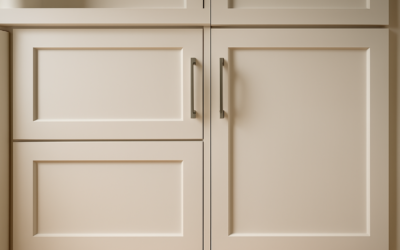
- Shaker: A flat center panel with a simple square frame. Clean, versatile, and by far the most popular; works in traditional and modern kitchens alike.
- Flat/slab: A single flat panel with no frame. Sleek and contemporary, easy to clean, and ideal for minimalist or European looks.
- Raised panel: A center panel that rises above the frame, often with decorative edges. Traditional and formal.
- Recessed panel: Similar to Shaker but with more detailed profiling; a step up in traditional detail.
- Glass-front: A frame holding a glass insert, used to display dishware or break up a long run of solid doors.
- Beadboard: Vertical grooved panels for cottage and farmhouse styles.
Shaker remains the safe, resale-friendly default, while slab doors read most modern. Mixing a glass-front or two into an otherwise solid run adds visual interest without extra cost beyond the glass.
Material Choices and What They Mean
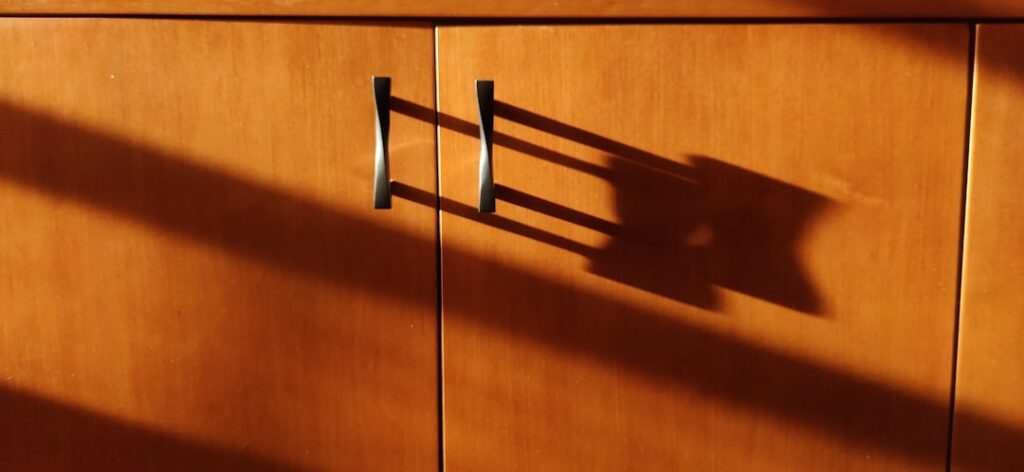
The material drives both durability and price, and it also dictates whether you’ll paint or stain. Solid wood (maple, oak, cherry, walnut) is the premium choice, beautiful when stained and strong, though it can expand and contract with humidity, which occasionally shows as hairline cracks at painted joints. MDF (medium-density fiberboard) is the top pick for painted doors because it’s dimensionally stable, has no grain to telegraph through paint, and won’t crack at the joints; it can’t be stained convincingly, though. Plywood and wood-veneer doors offer a real-wood look with better stability than solid wood. Thermofoil doors wrap MDF in a vinyl film for a durable, seamless painted look at a lower price, but they can delaminate near heat.
A common smart combination is MDF for painted doors and solid hardwood for stained ones. Tell your fabricator up front whether you’re painting or staining, because it changes the ideal material.
Custom Made Cabinet Doors Cost
Pricing varies with material, style complexity, and finish. As a general guide per door:
- Unfinished MDF or paint-grade doors: $15 to $50 each.
- Solid wood, unfinished: $40 to $100 each depending on species and style.
- Factory-finished (painted or stained) doors: $60 to $200+ each.
- Glass-front and specialty profiles: add a premium for the glass and extra machining.
A typical kitchen with 25 to 35 doors and drawer fronts might run $1,500 to $6,000 for custom doors alone, plus hinges and any new drawer boxes. Ordering unfinished doors and painting them yourself is the biggest cost saver, though factory finishes are more durable and even. Factor in that you’ll likely need new hinges (concealed European hinges are standard) and possibly new drawer fronts to match.
Measuring and Ordering the Right Way
The most common ordering failure is doors that don’t fit, and it traces to overlay math. For overlay doors, you measure the cabinet opening, not the old door, then add the overlay (commonly 1/2 inch per side for partial overlay, so add 1 inch to both width and height). For inset doors, you subtract a small reveal from the opening. Measure every opening individually to 1/16 inch, since openings drift across a kitchen, and label each one by location. Confirm your hinge type before finalizing, because the hinge dictates how much overlay a door can achieve. When in doubt, order one sample door to verify your method before committing to the full set.
Ordering Checklist
Before you submit an order, confirm each of these to avoid costly mistakes:
- Door style and profile chosen and consistent across the kitchen.
- Material matched to your finish plan (MDF for paint, hardwood for stain).
- Every opening measured and overlay added correctly.
- Hinge type and boring pattern specified.
- Finish decision: factory-finished or unfinished for DIY.
- Drawer fronts and any glass inserts included and sized.
Finishing and Installation
If you ordered unfinished doors, prime and paint with a quality cabinet enamel or stain and seal with polyurethane; a sprayer gives the smoothest result, but a foam roller and good brush work too. Let finishes cure fully before hanging. Installation is straightforward: attach the concealed hinges to the doors, mount the mating plates to the cabinet frames, hang the doors, and use the hinge’s built-in three-way adjustment screws to dial in even gaps and alignment. Take time on the adjustment step; perfectly aligned reveals are what make custom doors look factory-built.
Where to Order Custom Cabinet Doors
You have several sourcing options, and the right one depends on your budget and how much handholding you want. Online custom-door manufacturers let you enter exact dimensions, choose style and material, and have doors shipped to your door, usually the most affordable route for a confident measurer. Local cabinet shops and millwork fabricators cost more but offer in-person guidance, can match tricky finishes, and will often template your openings for you, which reduces the risk of a misfit. Big-box home centers offer some semi-custom door programs through their cabinet departments, a middle ground on price and service. For a discontinued or unusual cabinet line, a specialty door maker who can replicate a specific profile is worth seeking out. Whichever you choose, ask about their tolerance policy and whether they’ll remake a door that arrives out of spec, and always order a single sample door first to confirm both the fit and the finish before committing to a full kitchen’s worth.
Timeline and What to Expect
Custom doors are made to order, so plan for lead time rather than same-day pickup. Typical turnaround runs two to six weeks from order to delivery, longer for factory-finished doors or specialty species and profiles. Build that into your project schedule so you’re not left with bare cabinet boxes for weeks. When the doors arrive, inspect every one immediately against your measurements and check for finish flaws, warping, or shipping damage; report any problems right away while the order is fresh. Acclimate wood doors to your home’s humidity for a few days before hanging, especially in dry winter or humid summer conditions, which reduces the chance of later movement. Then set aside a weekend for hanging and adjusting. The payoff for the wait is doors built precisely to your kitchen rather than forced to fit, which is exactly what makes the finished result look custom.
Is It Worth It?
For homeowners whose cabinet boxes are sound but whose doors are dated or damaged, custom made cabinet doors are one of the highest-value updates available, delivering a near-new kitchen look for far less than replacement and with far less disruption. You get exactly the style and fit you want, including for tricky nonstandard openings, and you can control cost by choosing materials and finishing yourself. The keys to success are measuring correctly, matching material to finish, and taking time on installation. Get those right and a weekend of work leaves you with doors that look like they came with a brand-new kitchen.