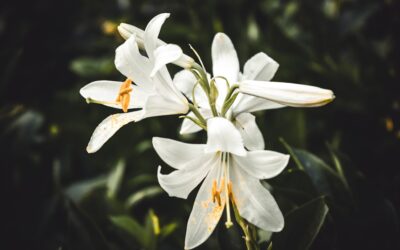
If your daylilies are throwing out lush green foliage but stingy on flowers, light is almost always the culprit. The question of day lilies sun or shade has a clear answer: daylilies are sun lovers that reward you with the most blooms in full sun, yet they are forgiving enough to survive and even perform in partial shade. Understanding where they fall on that spectrum lets you place them so they flower their hearts out instead of just filling space.
- The Short Answer: Full Sun Wins
- What Happens in Partial Shade
- How Flower Color Changes the Equation
- Reading Your Garden's Light
- Planting for the Best Blooms
- Care That Maximizes Flowering
- Troubleshooting a Shy Bloomer
- Sun Needs by Region and Climate
- Companion Planting in Sun and Part Shade
- The Bottom Line
The Short Answer: Full Sun Wins
Daylilies (Hemerocallis) bloom best with at least six hours of direct sunlight a day. In full sun, the plants produce more scapes, more buds per scape, and richer color. Six to eight hours is the sweet spot for most gardens. If you want the showy, ditch-lily-by-the-roadside display these perennials are famous for, sun is non-negotiable.
That said, daylilies are remarkably adaptable. They will live in part shade, they just trade some flower power for it. So the real decision is not survival, it is how many blooms you are willing to give up.
What Happens in Partial Shade
In areas that get four to six hours of sun, often morning sun followed by afternoon shade, daylilies still flower, but you will notice fewer scapes and a shorter bloom window. The plants may also stretch or lean toward the light, and the foliage can look slightly floppier. For many gardeners this trade is perfectly acceptable, especially if the spot is otherwise hard to plant.
Below about four hours of sun, expect mostly leaves and few flowers. Deep shade under dense trees is the one place daylilies genuinely struggle. They will hang on but rarely put on a meaningful show.
How Flower Color Changes the Equation
Light needs shift slightly with bloom color, a detail that catches many gardeners off guard:
- Light and pastel varieties (pale yellow, cream, soft pink) often look best with some afternoon shade, which keeps delicate colors from washing out or scorching in intense heat
- Dark and saturated varieties (deep red, purple, burgundy) hold their color better with morning sun and light afternoon protection, since strong midday sun can fade dark pigments
- Standard golds, oranges, and bright yellows are the toughest and thrive in straight full sun all day
If you garden in a hot southern climate, a bit of afternoon shade actually benefits almost every color, easing heat stress without sacrificing many blooms.
Reading Your Garden’s Light
Before planting, watch the spot across a full day. Note when direct sun hits and when it disappears behind a fence, wall, or tree. Morning sun with afternoon shade is gentler than the reverse, because afternoon sun in summer is far more intense. A north-facing bed gets the least light; south-facing gets the most. East-facing delivers that prized gentle morning sun.
Remember that light changes through the season. A bed that is sunny in early spring can fall into shade once nearby trees leaf out, so judge the light in summer when daylilies are actively blooming.
Planting for the Best Blooms
Once you have chosen a sunny spot, give daylilies well-drained soil enriched with compost. They are not fussy about soil type but resent sitting in soggy ground. Space standard varieties 18 to 24 inches apart so air moves freely and each clump has room to fatten up over the years.
Plant the crown about an inch below the soil surface, water deeply after planting, and add a couple of inches of mulch to hold moisture and suppress weeds. New plantings need consistent water their first season; established clumps are notably drought tolerant.
Care That Maximizes Flowering
Even sun-soaked daylilies bloom better with a little attention. Deadhead spent flowers, each bloom lasts a single day, and remove finished scapes to keep the plant tidy and channel energy into more buds. A light feeding of balanced fertilizer in spring supports strong scapes. Avoid heavy nitrogen, which pushes leafy growth at the expense of flowers.
Divide crowded clumps every three to five years in early spring or after blooming. Overcrowded daylilies compete with themselves and flower less, so division is one of the simplest ways to restore a tired patch.
Troubleshooting a Shy Bloomer
When a healthy-looking daylily refuses to flower, run through this checklist. Too little sun is the most common cause, so consider moving it to a brighter bed. Overcrowding is next, divide and replant. Too much nitrogen fertilizer is a frequent third offender. Finally, very young divisions sometimes skip a year while they establish, so give a new transplant one full season before worrying.
Sun Needs by Region and Climate
Where you live shifts the calculus. In northern zones with milder summers and a lower sun angle, daylilies want every bit of full sun they can get, so plant them in the brightest, most open spot available. In the hot, intense sun of the South and Southwest, the same plant benefits from relief during the harshest part of the day. There, morning sun with afternoon shade keeps blooms from frying and helps flowers last into the evening rather than wilting by midafternoon.
Reblooming and extended-bloom varieties, which keep producing flushes through the season, are especially sun-hungry. If you have invested in a rebloomer expecting waves of color, shortchanging it on light is the quickest way to be disappointed. Give those cultivars the sunniest position you can spare.
Companion Planting in Sun and Part Shade
Daylilies pair beautifully with other perennials that share their light preferences, which makes designing a bed easier. In full sun, combine them with coneflowers, black-eyed Susans, salvia, and ornamental grasses for a low-maintenance, sun-loving border. In spots that get morning sun and afternoon shade, daylilies coexist happily with hostas at the shadier edge, creating a gradient from sun-lover to shade-lover across the bed. Their strappy foliage also does a fine job hiding the fading leaves of spring bulbs, so interplanting with daffodils or tulips lets the daylilies cover for the bulbs as they go dormant.
The Bottom Line
So, day lilies sun or shade? Plant them in full sun for the heaviest, longest-lasting display, lean on morning sun with afternoon shade in hot climates or for pastel and dark-colored varieties, and accept fewer flowers if you tuck them into part shade. Avoid deep shade entirely. Match the light to the plant and these dependable perennials will reward you with weeks of color year after year.