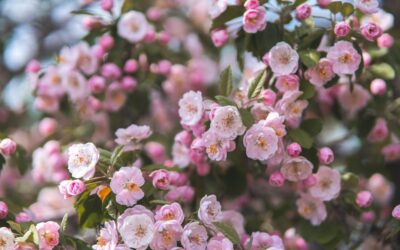
A south-facing bed that bakes all afternoon is not a problem to solve; it is an opportunity, because the best-blooming shrubs on the market crave exactly that kind of heat and light. The right flowering shrubs for full sun reward six or more hours of direct light with months of color, drawing pollinators and giving your landscape structure that annuals cannot match. The trick is matching bloom season, mature size, and hardiness zone to your specific yard so the show never quits.
There is a reason the sunniest bed in the yard is often the one homeowners struggle with most. It bakes, it dries out, and delicate plants sulk or scorch, so people either leave it empty or fill it with annuals that need replanting every year. Flowering shrubs solve that problem permanently. A well-chosen shrub goes in once and returns bigger and better each season, delivering structure in winter, foliage in spring, and weeks or months of bloom in summer, all while asking for less water and attention than a bed of bedding plants. The key is treating that harsh exposure as an asset rather than a liability, because the plants in this guide do not merely tolerate blazing sun, they demand it to flower at their best. Match the right shrubs to your zone and your bloom-season goals, give them a proper start, and that troublesome hot bed becomes the most reliable source of color on the property. The picks and care advice below will get you there.
- What "Full Sun" Really Means
- Best Summer-Blooming Shrubs
- Spring and Early-Season Bloomers
- Heat- and Drought-Tolerant Choices
- Planting for Success in Full Sun
- Keeping Them Blooming
- Designing a Bed That Blooms All Season
- Attracting Pollinators and Birds
- Spacing, Sizing, and Common Problems
- Choosing Small Flowering Shrubs for Tight Sunny Spots
What “Full Sun” Really Means
Full sun is a horticultural term with a precise definition: at least six hours of direct, unobstructed sunlight per day. Many of the shrubs below actually prefer eight or more. If your spot gets blasting western exposure and reflected heat off pavement or a wall, lean toward the most heat-tolerant, drought-tough choices.
Sun-loving shrubs generally bloom harder and more reliably than shade plants because flowering takes energy, and that energy comes from light. A rose or a butterfly bush planted in too much shade grows leggy and blooms poorly, so honesty about your light levels is the first step to a bed that performs.
Best Summer-Blooming Shrubs
Summer is when full-sun beds hit their stride, and these workhorses carry color through the hottest months.
- Butterfly bush (Buddleia): Zones 5 to 9, 4 to 8 feet, with fragrant spikes that pollinators mob from midsummer to frost. Choose sterile cultivars where it can be invasive.
- Rose of Sharon (Hibiscus syriacus): Zones 5 to 9, 8 to 12 feet, blooming reliably in late summer when little else does.
- Potentilla: Zones 2 to 7, a tough 2-to-4-foot shrub covered in yellow or white flowers all summer.
- Spirea: Zones 3 to 8, compact mounds with pink or white flower clusters and colorful foliage.
Deadhead the spent blooms on butterfly bush and rose of Sharon to keep new flowers coming and to limit unwanted seedlings.
Spring and Early-Season Bloomers
To stretch the season, pair summer shrubs with plants that open early. Forsythia lights up in earliest spring with brilliant yellow before its leaves emerge, thriving in full sun across zones 5 through 8. Weigela follows with trumpet-shaped pink or red flowers that hummingbirds love, and many newer cultivars rebloom lightly through summer.
Lilacs deserve a spot in any sunny bed in the North, offering that unmistakable fragrance in mid to late spring in zones 3 through 7. They demand full sun to bloom well, so never tuck a lilac into a shady corner and expect flowers. Layering early, mid, and late bloomers is how you get color from March through October.
Heat- and Drought-Tolerant Choices
If your sunny spot also runs dry, choose shrubs built for tough conditions. Crape myrtle is the queen of the hot South, blooming for up to 100 days in summer in zones 7 through 9 with handsome bark for winter interest. Oleander thrives in heat and salt along warm coasts in zones 8 through 10, though every part of it is toxic, so site it away from children and pets.
For cold climates with dry, sunny beds, shrub roses like the Knock Out series bloom from spring to frost with far less fuss than old-fashioned hybrid teas. Lavender, technically a woody subshrub, thrives in lean, well-drained soil and blazing sun, adding fragrance and silvery foliage that pairs beautifully with roses.
Planting for Success in Full Sun
Sun-loving shrubs still need a good start. Plant in spring or fall to avoid the stress of midsummer heat on new roots. Dig the hole two to three times as wide as the root ball but no deeper, set the crown at or slightly above grade, and backfill with native soil amended lightly with compost if your ground is heavy clay.
Mulch a 2-to-3-inch ring to conserve moisture and suppress weeds, keeping it off the stems. Water deeply and regularly through the first growing season while roots establish, then most of these shrubs become notably drought-tolerant. Good drainage is critical; more sun-loving shrubs die from soggy roots than from drought.
Keeping Them Blooming
Ongoing care is mostly about pruning at the right time, which depends on when the shrub blooms. Prune spring bloomers like forsythia and lilac right after they flower, because they set next year’s buds on old wood. Prune summer bloomers like butterfly bush, crape myrtle, and potentilla in late winter or early spring, since they flower on new growth.
Feed lightly in spring with a balanced fertilizer, deadhead where it encourages rebloom, and give each shrub the room its mature size demands so air moves freely and disease stays away.
Designing a Bed That Blooms All Season
The secret to a bed that never looks bare is layering plants by bloom time and height so something is always in flower. Start by mapping the season into three windows, spring, summer, and late summer into fall, and choose at least one strong performer for each. Forsythia and lilac open the spring show, roses and butterfly bush carry the summer, and rose of Sharon and crape myrtle finish into fall.
Arrange by height as well, with taller shrubs like rose of Sharon and crape myrtle at the back, mid-size spirea and roses in the middle, and low potentilla or lavender at the front edge. Repeat a color or a plant in a few spots to give the bed rhythm rather than a random patchwork. Leave enough space between shrubs for their mature width, then fill the gaps the first year or two with sun-loving annuals while the shrubs size up. Planned this way, the bed reads as full and deliberate from its first spring.
Attracting Pollinators and Birds
Full-sun flowering shrubs do more than look good; they feed the wildlife that keeps a garden alive. Butterfly bush, its name well earned, draws swarms of butterflies and bees to its nectar-rich spikes, while weigela’s tubular blooms are a magnet for hummingbirds. Bees work lavender, potentilla, and rose of Sharon from morning to dusk.
To make the most of it, plant in clusters rather than singles so pollinators can forage efficiently, and choose a range of bloom shapes and seasons to support them across the whole growing season. Skip broad-spectrum insecticides during bloom, which kill the very pollinators you are trying to attract. Many of these shrubs also set seed or hips, oleander aside, that feed birds into winter, so leaving some spent flowers late in the season supports wildlife when other food is scarce. Choose a mix of these flowering shrubs for full sun, stagger their bloom times, and your sunniest bed will carry the landscape with color from the first warm days of spring until frost shuts it down.
Spacing, Sizing, and Common Problems
The mistake that ruins more sunny beds than any pest is crowding. A butterfly bush tagged at 6 feet wide needs that full 6 feet, so set the centers of neighboring shrubs roughly 5 to 6 feet apart rather than the 2 to 3 feet the nursery pots tempt you into. Crape myrtles want 8 to 10 feet of clearance, spirea and potentilla 3 to 4 feet, and lavender 2 to 3 feet. Planting on tight centers looks lush the first summer, then turns into a tangled, mildew-prone thicket by year three, when you are forced to rip out half of what you planted. Measure the mature width on the tag, halve it, and add the two halves of any two neighbors to find the correct on-center spacing.
Most full-sun problems trace back to water or air, not sun. Powdery mildew, the white dusty film that hits crape myrtle, lilac, and monarda, thrives when foliage stays damp and air is stagnant, so water at the base with a soaker hose rather than overhead, and prune for airflow. Yellowing leaves in an otherwise sunny bed almost always mean soggy roots or a nutrient lockout from poor drainage, not too much light. Aphids and spider mites flare in hot, dry weather; a hard spray of water every few days usually knocks them back without chemicals. If a shrub blooms sparsely despite full sun, suspect over-feeding with high-nitrogen lawn fertilizer that pushes leaves at the expense of flowers, and switch to a bloom-focused formula lower in nitrogen.
Choosing Small Flowering Shrubs for Tight Sunny Spots
Not every sunny bed has room for a shrub that grows eight feet wide. Small flowering shrubs, generally those that mature somewhere around 2 to 4 feet tall and wide, give you the same months of color in spaces where a full-size plant would swallow a walkway or block a window. Read the mature size on the tag rather than judging by the pot, because a compact label alone does not tell you how big the plant will get in your climate.
Matching Compact Shrubs to the Job
Think about the role the shrub will play before you shop. Under windows and along a house foundation, pick upright or rounded compact forms that stay under the sill without constant shearing. For edging a path or the front of a border, low mounding shrubs that top out near knee height keep sightlines open and soften hard edges. A short flowering hedge along a property line or patio works best with dense, twiggy shrubs that bloom on new growth, since a light spring trim will not cost you the flowers. On sunny slopes, spreading low shrubs help hold soil while adding color. Containers on a deck or by the front door suit the most compact selections, as long as the pot is large and drains freely.
Spacing Small Shrubs Correctly
Compact plants still need elbow room. Set centers roughly equal to the mature width on the tag, so a shrub listed at 3 feet wide goes about 3 feet from its neighbor. For a continuous low hedge, you can tighten that slightly so the plants knit together, but leave space for air to move through the foliage. Keep foundation shrubs at least 2 to 3 feet out from the wall so you can reach siding and windows.
Sun and Soil Basics
Full sun means six or more hours of direct light, and most small bloomers flower best with that much or more. Reflected heat from pavement and walls dries soil quickly, so check moisture often during the first summer. Good drainage matters more than rich soil for most sun lovers. If water puddles for hours after rain, loosen the planting area and work in compost, or build a slightly raised bed. A 2 to 3 inch layer of mulch, kept clear of the stems, holds moisture and keeps roots cooler.
Call 811 Before You Dig
Foundation beds and property lines are exactly where buried gas, electric, cable and water lines tend to run. Call 811 or submit an online request a few days before planting so utility lines are marked for free. Even shallow holes for small shrubs can nick a line that sits closer to the surface than expected, so hand dig carefully near any marked flags.