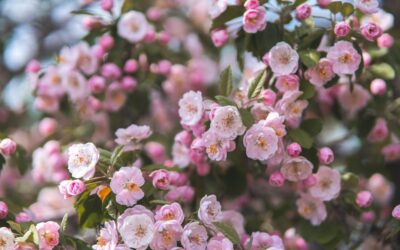
Purple is the color that makes a garden feel intentional. A single well-sited purple flowering shrub draws the eye, calms a busy planting, and, in most of the plants below, pulls in bees and butterflies from spring through the first frost. The shades range from the soft lavender of a lilac to the electric violet of beautyberry fruit, and because these shrubs bloom at different times, you can chain them together for months of color. Here are the ones I plant most, with the zones, sizes, and care details that make the difference between a thriving specimen and a struggling one.
- Lilac: Fragrant Purple in Late Spring
- Butterfly Bush: A Magnet From Summer to Frost
- Rose of Sharon: Purple Into Early Fall
- Russian Sage: An Airy Haze of Violet-Blue
- Beautyberry: Purple That Comes From Fruit
- Rhododendron and Hydrangea for Purple Trusses and Mopheads
- Choosing for Pollinators and Wildlife
- Common Problems and Simple Fixes
- Planting, Spacing, and Ongoing Care
Lilac: Fragrant Purple in Late Spring
The common lilac is the plant people remember from a grandmother’s yard, and for good reason: nothing else layers that heady fragrance over clusters of purple bloom in May. For smaller spaces, ‘Miss Kim’ is the variety I recommend, a Korean lilac that stays a tidy 4 to 6 feet tall and wide, reblooms lightly, and shows better fall color than the old-fashioned types. Space plants 5 to 6 feet apart.
Lilacs are hardy in USDA zones 3 through 7 and need full sun, at least six hours, to bloom well. They prefer neutral to slightly alkaline, well-drained soil, so add garden lime if your ground runs acidic. They flower on old wood, so prune right after the blooms fade, removing spent flower heads and thinning a few of the oldest stems at the base. Good air movement helps prevent the powdery mildew lilacs are prone to in humid summers.
Butterfly Bush: A Magnet From Summer to Frost
If you want purple that hums with pollinators, butterfly bush, Buddleia davidii, delivers. Long, tapering flower spikes in deep purple appear from July until frost and are irresistible to butterflies. ‘Black Knight’ offers the darkest violet, on a plant 5 to 8 feet tall, while compact types like the Lo & Behold series stay under 3 feet for small beds. Give full-size varieties 5 to 6 feet of space.
Buddleia thrives in zones 5 through 9 in full sun and well-drained soil, and it is genuinely drought-tolerant once established. It blooms on new wood, so cut it back hard to about 12 inches in early spring for the strongest flowering. Deadhead spent spikes through summer to keep new ones coming. Choose seedless or sterile cultivars where the species is considered invasive, and check your state’s list before planting.
Rose of Sharon: Purple Into Early Fall
For late-season purple, rose of Sharon, Hibiscus syriacus, is hard to beat. The variety ‘Blue Chiffon’ and other lavender-purple forms open wide flowers from July into September, filling the gap when spring shrubs have long finished. Upright and vase-shaped, it reaches 8 to 12 feet tall and 6 to 10 feet wide, making a fine back-of-border screen. Newer near-seedless types spare you the many volunteer seedlings older varieties drop.
Rose of Sharon is hardy in zones 5 through 9 and flowers best in full sun. It blooms on new wood, so prune it in late winter or early spring to shape it and increase flower size. It tolerates heat, humidity, and average soil, asking little once its roots are down.
Russian Sage: An Airy Haze of Violet-Blue
Russian sage, Perovskia atriplicifolia, blurs the line between shrub and perennial, and its cloud of violet-blue flowers above silvery, aromatic foliage is one of the best purple effects for a hot, dry spot. It grows 3 to 4 feet tall and wide and blooms from midsummer well into fall. Plant several 30 inches apart for a drifting haze that softens hard edges and stone.
This is a plant for full sun and lean, well-drained soil in zones 4 through 9. Rich soil or too much water makes it flop, so hold off on fertilizer and let it stay tough. Treat it as a cutback subshrub: prune the woody stems to about 6 to 8 inches in early spring, and it returns denser and more upright. Deer and rabbits leave it alone.
Beautyberry: Purple That Comes From Fruit
Beautyberry, Callicarpa, earns its place with a purple you won’t find elsewhere: tight clusters of iridescent violet berries that ring the stems in fall after modest summer flowers. Callicarpa dichotoma is the tidiest, about 3 to 4 feet tall and wide, and the berries hold for weeks after the leaves drop, feeding birds well into winter. Give each plant 3 to 4 feet of room.
Beautyberry grows in zones 5 through 8 in full sun to part shade and average, well-drained soil. It fruits on new wood, so cut it back hard, to 6 to 12 inches, in early spring to keep it compact and maximize the berry display. Plant a few together, as a group sets fruit more heavily than a lone shrub.
Rhododendron and Hydrangea for Purple Trusses and Mopheads
For big spring bloom, purple rhododendrons such as ‘Purple Passion’ carry rounded trusses of rich violet flowers on plants 4 to 6 feet tall. Like all rhododendrons, they need moist, acidic, humus-rich soil around pH 4.5 to 6.0, dappled or morning-sun shade, and steady moisture, and they should be pruned only right after flowering. They belong in zones 5 through 8.
Bigleaf hydrangeas give you purple mopheads when the soil chemistry sits in between: mildly acidic ground, roughly pH 5.5 to 6.5, often pushes pink varieties toward purple and lavender tones. They flower midsummer into fall on plants 3 to 5 feet tall, want morning sun with afternoon shade, and need steady water in zones 5 through 9. Adjust pH with soil amendments to nudge the color where you want it.
Choosing for Pollinators and Wildlife
One of the best reasons to plant purple is that so many of these shrubs are magnets for pollinators. Butterfly bush earns its name by pulling in swallowtails and monarchs from across the yard, while Russian sage keeps bees busy through the hottest weeks of summer. Beautyberry does double duty, feeding pollinators with its summer flowers and then songbirds with its fall fruit. If supporting wildlife is a goal, weight your planting toward these long-blooming, nectar-rich species.
Deer pressure should shape your choices too. Russian sage, butterfly bush, and beautyberry are all largely deer-resistant thanks to aromatic or unpalatable foliage, making them smart picks for unfenced rural and suburban lots. Rhododendrons and hydrangeas, by contrast, are frequent browse targets and may need a repellent program or fencing to survive in high-deer areas. Knowing which side of that line a shrub falls on saves you a season of frustration.
Common Problems and Simple Fixes
Most purple bloomers are trouble-free, but a few issues come up. Lilacs are prone to powdery mildew in humid summers, a cosmetic gray film that rarely harms the plant; good air circulation and full sun keep it in check. Rhododendrons show yellowing leaves, a condition called chlorosis, when the soil is not acidic enough, which you correct with a soil-acidifying fertilizer and the right amendments. Overwatering or poor drainage is the fastest way to kill any of these shrubs, so err on the side of well-drained ground.
Butterfly bush that flowers weakly is usually asking for more sun or a harder spring cutback, since it blooms best on vigorous new wood in full light. If a Russian sage flops open in the middle, the cause is almost always soil that is too rich or too wet; move it to leaner ground and cut it back hard the following spring. Beautyberry that sets few berries often needs a companion plant nearby for better fruiting and a hard early-spring pruning to push the new wood that carries the fall display.
Planting, Spacing, and Ongoing Care
Plant each shrub in a hole two to three times as wide as the root ball and no deeper than the ball, keeping the crown level with or just above grade. Backfill with native soil, water in to settle the ground, and mulch 2 to 3 inches deep while keeping mulch off the stems. Match soil to species: lime for lilacs, acidic amendments for rhododendrons, and lean ground for Russian sage and Buddleia. Butterfly bush self-seeds aggressively and is listed as invasive in several states, so choose sterile cultivars and deadhead before it sets seed.
Timing the pruning is what keeps these plants blooming. Cut the spring bloomers, lilac and rhododendron, right after flowering, and cut the summer-and-fall bloomers, butterfly bush, rose of Sharon, Russian sage, and beautyberry, in early spring before growth resumes. Water new plantings about an inch a week the first season, then let the drought-tolerant species fend for themselves. Stagger the bloom times across your bed and your purple flowering shrubs will trade off color, and pollinators, from late spring straight through fall.