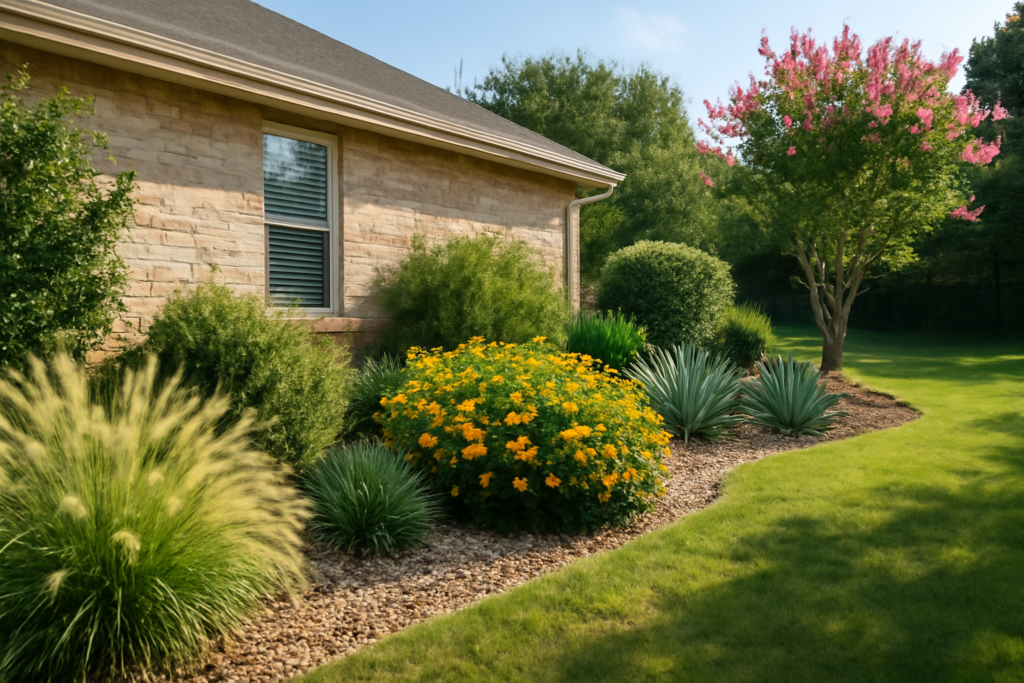
A spot that receives six or more hours of direct sunlight a day is considered full sun, and it is often the hardest part of a yard to keep looking good because heat and intense light dry out soil fast. The good news is that the best low-maintenance outdoor plants full sun areas can support are also some of the toughest, most rewarding plants you can grow, many of them thriving on rainfall alone once established. At D and G Flooring we know curb appeal starts the moment someone steps onto your property, so this guide covers durable choices and the simple care habits that keep a sunny bed looking sharp with minimal effort.
Part of our Windows & Doors guide — explore the full guide →
- What Full Sun Really Means
- Drought-Tolerant Perennials That Return Every Year
- Tough Shrubs for Structure
- Ornamental Grasses for Movement
- Succulents and Groundcovers for the Hottest Spots
- Planting for Long-Term Success
- The Power of Mulch
- A Simple Seasonal Care Routine
- Designing a Cohesive Low-Maintenance Bed
What Full Sun Really Means
Full sun is defined as at least six hours of direct, unfiltered sunlight per day, though many sunny spots receive eight to ten. South- and west-facing beds are usually the hottest because afternoon sun is more intense than morning sun. Before choosing plants, watch your space across a full day and note where the sun lingers. A bed against a light-colored wall or near pavement absorbs and radiates extra heat, which pushes you toward the most heat-tolerant options. Knowing your USDA hardiness zone is equally important, since it tells you which perennials will survive your winters and return year after year without replanting.
Drought-Tolerant Perennials That Return Every Year
Perennials are the backbone of a low-maintenance sunny garden because you plant them once and they come back for years. The following are widely available across the United States and ask very little once established:
- Coneflower, also called echinacea, produces daisy-like blooms for months and feeds pollinators while shrugging off heat and drought.
- Black-eyed Susan delivers bright yellow flowers from midsummer into fall and spreads slowly to fill space.
- Russian sage offers airy silvery foliage and purple flower spikes, and it actively prefers poor, dry soil.
- Yarrow tolerates heat, drought, and lean soil while producing flat flower clusters in many colors.
- Daylily is nearly indestructible, blooming reliably and adapting to a wide range of soils.
- Coreopsis blankets a bed in small cheerful blooms and rebounds quickly after a trim.
Mix several of these and you will have something flowering from late spring through fall with almost no intervention beyond an occasional cleanup.
Tough Shrubs for Structure
Shrubs give a sunny bed permanent shape and reduce how much you have to plant. Once their roots are established, the right shrubs survive long dry stretches. Consider these dependable performers:
- Juniper is an evergreen workhorse that thrives in hot, dry, exposed sites and comes in spreading and upright forms.
- Potentilla blooms for months and tolerates poor soil and cold winters with ease.
- Ninebark offers colorful foliage in burgundy or gold and needs little more than an annual prune.
- Spirea is compact, blooms reliably, and handles heat without complaint.
Anchoring a bed with two or three shrubs and filling around them with perennials creates a layered look that stays attractive even when nothing is in bloom.
Ornamental Grasses for Movement
Ornamental grasses are some of the most carbon-cheap, low-effort plants you can grow in full sun. They sway in the breeze, add texture, and most need cutting back only once a year in late winter. Switchgrass stands tall and turns golden in autumn. Blue fescue forms tidy silvery-blue mounds perfect for edging. Feather reed grass produces upright plumes that hold their shape through winter, giving the garden interest in the off-season. Grasses pair beautifully with flowering perennials and help a bed read as designed rather than random.
Succulents and Groundcovers for the Hottest Spots
For the driest, most punishing corners, succulents and tough groundcovers are unbeatable. Sedum, including the popular upright varieties, stores water in its fleshy leaves and blooms late in the season when little else does. Hens and chicks form rosettes that multiply on their own and survive on almost no water. For covering ground and crowding out weeds, creeping thyme and ice plant spread into dense, low mats that need no mowing. These plants actually suffer if overwatered, which makes them ideal for the homeowner who would rather not fuss.
Planting for Long-Term Success
Even drought-tolerant plants need help getting established. Follow these steps to set them up for years of easy growth:
- Plant in spring or early fall so roots can develop before extreme heat or cold arrives.
- Dig a hole twice as wide as the root ball but no deeper, and loosen the roots before setting the plant in.
- Water deeply right after planting, then water regularly for the first season so roots grow deep and self-sufficient.
- Space plants according to their mature size so air circulates and you spend less time pruning crowded growth.
- Group plants with similar water needs together so you never overwater the drought lovers.
The Power of Mulch
Mulch is the single most effective low-maintenance tool for a sunny bed. A two- to three-inch layer of shredded bark or wood chips conserves soil moisture, suppresses weeds, and keeps roots cooler during heat waves. It can cut your watering needs dramatically and reduces weeding to an occasional task rather than a weekend chore. Refresh mulch once a year and keep it pulled back slightly from plant stems to prevent rot. Gravel or stone mulch works especially well around succulents and in xeriscape-style beds.
A Simple Seasonal Care Routine
Low-maintenance does not mean no maintenance, but the routine is light. In spring, cut back ornamental grasses and any perennials you left standing over winter, and refresh mulch. Through summer, water deeply but infrequently, which encourages deep roots far better than frequent shallow watering, and deadhead spent flowers if you want more blooms. In fall, you can cut back tidy gardeners or leave seed heads standing to feed birds and add winter interest. That is genuinely the bulk of the work for a well-chosen sunny bed.
Designing a Cohesive Low-Maintenance Bed
To bring it together, combine layers. Place taller shrubs or grasses at the back, mid-height perennials like coneflower and Russian sage in the middle, and low groundcovers or sedum at the front edge. Repeat a few plants throughout the bed rather than buying one of everything, which creates rhythm and a designed look. Choose a limited color palette, such as purple, yellow, and silver foliage, so the bed feels intentional. With drought-tolerant choices, a generous layer of mulch, and a light seasonal routine, a full-sun garden can look polished from spring through fall while asking very little of your time. The team at D and G Flooring believes a thriving, easy-care landscape is the perfect complement to a well-finished home, framing it with color and life all season long.