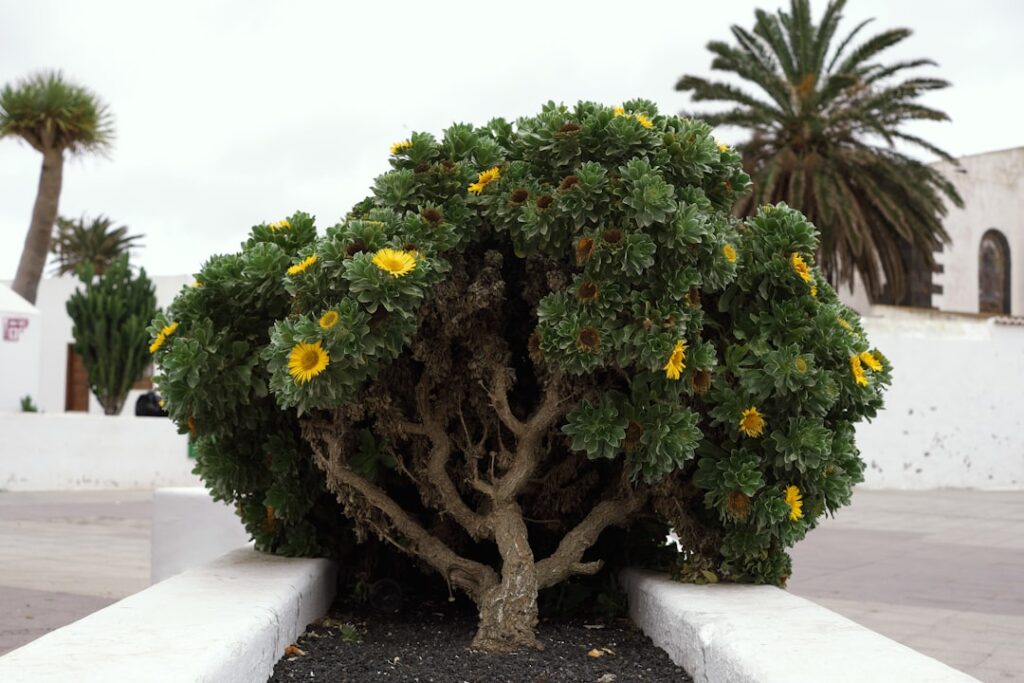
Rising water bills and tighter watering restrictions have made drought tolerant shrubs one of the smartest investments you can make in a landscape, and the good news is that “waterwise” no longer means bare gravel and a few sad cacti. Today you can build a lush, colorful, layered garden that sails through summer on rainfall alone once it is established. The secret is choosing plants adapted to dry conditions and then giving them the right start, because even a tough shrub needs help through its first year or two before it earns its low-water reputation.
- What Makes a Shrub Drought Tolerant
- Best Drought Tolerant Shrubs by Type
- Matching Shrubs to Your Zone and Site
- How to Plant for Long-Term Drought Tolerance
- The Critical First Year of Watering
- Designing a Low-Water Landscape
- Mulch, Grit and the Role of Drainage
- Native Choices for a Resilient Garden
- Ongoing Care
What Makes a Shrub Drought Tolerant
Drought-tolerant shrubs survive dry spells through built-in adaptations. Some grow deep taproots that reach moisture far below the surface. Others carry silvery or fuzzy leaves that reflect sunlight and slow water loss, or small, waxy, needle-like foliage with less surface area to transpire from. Many native and Mediterranean-climate plants store energy to coast through the dry season. Understanding this helps you place them well: nearly all of them demand full sun and, above all, excellent drainage. Wet feet in winter kills more of these plants than any summer drought ever will.
Best Drought Tolerant Shrubs by Type
Here are proven performers across a range of climates, with mature sizes and hardiness so you can match them to your yard:
Flowering Choices
- Butterfly bush (Buddleja): zones 5-9, 4 to 10 feet, fragrant summer spikes that draw pollinators
- Russian sage (Perovskia): zones 4-9, 3 to 5 feet, airy silver stems with lavender-blue haze
- Rockrose (Cistus): zones 8-10, 2 to 5 feet, papery flowers on tough Mediterranean foliage
- Oleander (Nerium): zones 8-10, 6 to 12 feet, heat-loving bloomer (note: highly toxic)
- Potentilla: zones 2-7, 2 to 4 feet, nonstop yellow or white blooms in cold climates
Foliage and Structure
- Juniper (Juniperus): zones 3-9, from low spreaders to 15-foot uprights, evergreen and unkillable
- Barberry (Berberis): zones 4-8, 2 to 6 feet, burgundy or gold foliage (check local invasive lists)
- Manzanita (Arctostaphylos): zones 7-10, striking red bark, superb Western native
- Texas sage / cenizo (Leucophyllum): zones 8-11, silver leaves and purple blooms after rain
Aromatic and Herbal
- Lavender (Lavandula): zones 5-9, 1 to 3 feet, fragrant and pollinator-friendly
- Rosemary (Salvia rosmarinus): zones 7-10, 2 to 5 feet, evergreen, culinary, and tough
- Sagebrush and artemisias: zones 4-9, silvery texture for hot, dry beds
Matching Shrubs to Your Zone and Site
Before you buy, note two things about your yard: your USDA hardiness zone and how your soil drains. Many drought-tolerant favorites, especially the Mediterranean ones like lavender, rosemary, and rockrose, tolerate cold only into zone 7 or 8 and rot in heavy, wet soil. Cold-climate gardeners lean on junipers, potentilla, barberry, and Russian sage. Southwestern gardeners have a wealth of native choices like Texas sage, manzanita, and desert-adapted species. Always favor plants native to conditions similar to your own; they will need the least help of all.
How to Plant for Long-Term Drought Tolerance
Planting technique makes or breaks a low-water garden. Fall and early spring are the best times to plant, giving roots months of mild weather to establish before summer stress. Dig a hole as deep as the root ball and two to three times as wide. Resist the urge to dump rich compost into the hole; most of these plants prefer lean, fast-draining soil, and overly rich amendments encourage soft growth and root rot. If your soil is heavy clay, plant on a raised mound and mix in coarse grit to improve drainage.
Set the crown slightly high, backfill with native soil, water in well, and mulch with 2 to 3 inches of gravel or bark, keeping it off the stems. Gravel mulch suits Mediterranean and desert plants especially well because it keeps the crown dry.
The Critical First Year of Watering
Here is the point people most often get wrong. “Drought tolerant” does not mean “no water when young.” Every one of these shrubs needs regular water through its first growing season to develop the deep, extensive root system that later lets it survive on rainfall. Water deeply, then let the soil dry between waterings, roughly once or twice a week in the first summer. Deep, infrequent watering trains roots to grow down; frequent shallow sprinkling trains them to stay near the surface, where they dry out fast.
By the second year you can taper off dramatically, and by the third most of these shrubs need supplemental water only in the most extreme heat and drought. That transition is the whole payoff of a waterwise garden.
Designing a Low-Water Landscape
Group plants with similar water needs together, a practice called hydrozoning, so you never overwater the tough plants to satisfy a thirsty one nearby. Layer heights for interest: taller shrubs like butterfly bush or Texas sage at the back, mid-height Russian sage and rockrose in the middle, and lavender or low junipers at the front. Mix foliage colors and textures, since silver, burgundy, blue-green, and gold together create a rich look even between bloom cycles. Add a gravel or bark mulch throughout to suppress weeds and conserve every drop of moisture.
Mulch, Grit and the Role of Drainage
If there is one lesson that separates a thriving low-water bed from a disappointing one, it is that most drought tolerant shrubs are killed not by drought but by winter wet. Plants adapted to hot, dry summers often come from regions with fast-draining, gravelly soils, and they simply cannot tolerate sitting in cold, saturated ground for months. That is why the drainage advice runs through every section here. On heavy soil, raise the planting area, work in coarse grit or expanded shale, and top with a gravel mulch that keeps the crown of the plant dry and reflects heat back up into aromatic foliage like lavender and rosemary.
Where a moisture-conserving look is the goal, a 2-to-3-inch bark mulch works well around larger shrubs like butterfly bush and Texas sage, holding soil moisture and moderating temperature swings. Match the mulch to the plant: gritty gravel for Mediterranean and desert species that hate humidity around their stems, organic bark for the tougher, more adaptable shrubs. Either way, mulch is one of the cheapest and most effective tools for stretching every drop of water your garden receives.
Native Choices for a Resilient Garden
Some of the best drought tolerant shrubs for your yard are the ones that already grow wild in your region, because they are perfectly matched to your rainfall, soil, and temperature extremes. Southwestern gardeners can lean on manzanita, Texas sage, and desert-adapted natives; Great Plains and Mountain West gardeners on rabbitbrush, sagebrush, and native currants; and Southeastern gardeners on tough natives like yaupon holly and wax myrtle. Native shrubs also support local pollinators and birds, turning a water-saving landscape into a habitat as well. Blending regional natives with proven waterwise ornamentals gives you a garden that is both beautiful and genuinely built for your climate.
Ongoing Care
Once established, these shrubs are famously low-maintenance. Most need only a light annual pruning to keep their shape, done at the right time for each plant, generally after flowering for spring bloomers and in late winter or early spring for summer bloomers like butterfly bush and Russian sage. Feed sparingly or not at all; lean conditions keep these plants compact and healthy. Refresh mulch each year, pull the occasional weed, and enjoy a garden that looks good while your water meter barely moves.
With the right drought tolerant shrubs, thoughtful placement, and patience through that crucial first year, you can create a landscape that is beautiful, resilient, and genuinely low-water, one that shrugs off dry summers and watering restrictions while still delivering flowers, foliage, and structure all year long.