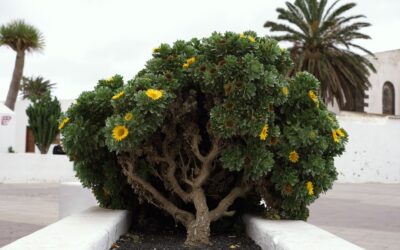
Most front yards are planted for spring and then quietly struggle every August. Choosing drought tolerant plants for front yard beds fixes that at the root: once established, these plants keep their shape and color through dry spells on a fraction of the water a thirsty lawn border needs. Drought tolerant does not have to mean desert, either. Every US region has hardy, low-water plants that look right beside a porch, a walkway or a foundation.
The trick is matching plants to your climate, your soil and the exposure of each bed. A plant that shrugs off drought in the Mountain West may rot in a humid Southeast summer, and a Pacific Northwest favorite may sulk in Texas heat. This plant list is organized by broad region and by job in the landscape (foundation beds, borders and groundcover) so you can pick a mix that works where you live.
Every plant on a low-water list still needs regular watering for its first season. Drought tolerance is earned after the roots spread, usually by the second summer.
Choosing Drought Tolerant Plants for Front Yard Spaces
Before picking anything, walk the yard at midday and at late afternoon. Note which beds bake in full sun, which sit in shade from the house and where water collects after rain. Then check three things:
- Hardiness zone: the coldest winter temperature your plants must survive. Look up your zone with your local extension service.
- Soil type: sandy soil drains fast and suits Mediterranean herbs and grasses; heavy clay holds water and needs plants that tolerate wet winters, or raised beds.
- Exposure: south and west walls reflect heat, so foundation plants there need the toughest heat tolerance. North sides stay cooler and suit shade-tolerant drought plants.
Group plants with similar water needs together, a practice often called hydrozoning. That way you water the whole bed on one schedule instead of drowning tough plants to keep a thirsty one alive.
Plant Picks by US Region
Use these as starting points and confirm with a local nursery or extension office, since conditions vary within every region. Look for species and native types rather than chasing specific named varieties.
Southwest and Desert Areas
- Foundation beds: native sages, desert spoon types, small agaves set well back from walkways, and evergreen shrubs such as creosote bush or desert ruellia.
- Borders: penstemon, desert marigold, blackfoot daisy and globe mallow.
- Groundcover: trailing lantana in frost-free areas, prostrate rosemary and gravel mulch between clumps.
California and the Pacific Coast
- Foundation beds: manzanita, ceanothus, coffeeberry and toyon.
- Borders: California fuchsia, yarrow, lavender and native buckwheats.
- Groundcover: creeping thyme, low ceanothus forms and native sedges.
Mountain West and High Plains
- Foundation beds: rabbitbrush, mountain mahogany, serviceberry and juniper.
- Borders: blanket flower, hyssop, catmint, prairie coneflower and ornamental grasses such as blue grama.
- Groundcover: ice plant types rated for cold, pussytoes and creeping veronica.
Midwest and Great Plains
- Foundation beds: fragrant sumac, ninebark, compact juniper and serviceberry.
- Borders: purple coneflower, black-eyed Susan, butterfly weed, little bluestem and prairie dropseed.
- Groundcover: stonecrop sedums, wild strawberry and low prairie sedges.
Northeast and Mid-Atlantic
- Foundation beds: bayberry, inkberry holly, compact junipers and potentilla.
- Borders: catmint, Russian sage, coreopsis, liatris and switchgrass.
- Groundcover: creeping phlox, lamb’s ear and sedum.
Southeast and Gulf Coast
- Foundation beds: yaupon holly, wax myrtle, dwarf palmetto and native beautyberry.
- Borders: lantana, muhly grass, coneflower, salvia and blanket flower.
- Groundcover: sunshine mimosa, liriope and native frogfruit.
Pacific Northwest
- Foundation beds: Oregon grape, evergreen huckleberry, salal and rockrose in sunny spots.
- Borders: lavender, rosemary, sedum, red-flowering currant and native iris.
- Groundcover: kinnikinnick, creeping thyme and wild strawberry.
Some plants on these lists can be invasive in certain states. Check your state’s invasive plant list before buying, especially for ice plants, certain grasses and lantana.
Designing Beds, Borders and Groundcover
Good drought resistant plants for landscaping still need a plan to look intentional. Think in layers.
- Back layer (foundation): evergreen shrubs that stay 2 to 4 feet from the house wall for airflow and maintenance access. Keep mature height below windowsills.
- Middle layer (border): flowering perennials and grasses planted in groups of three, five or seven for visual weight.
- Front layer (groundcover): low spreaders that soften path edges and shade the soil, cutting evaporation.
Repeat two or three plants throughout the front yard so it reads as one design. Add structure with boulders, a dry creek bed or a gravel path, all of which need zero water. Mulch every open patch with 2 to 3 inches of shredded bark in cooler regions or gravel in hot, arid ones. Keep mulch a few inches back from stems and from the house foundation to discourage rot and pests.
Tools and Materials
- Round-point shovel, garden fork and hand trowel
- Soil test kit or a lab test through your extension office
- Compost for clay soils; coarse grit for poorly draining beds
- Mulch (bark or gravel depending on region)
- Landscape edging
- Gloves, knee pads and eye protection
- Drip irrigation kit with emitters and a timer
A basic drip irrigation kit is one of the most useful purchases for low-water beds. It puts water at the roots, skips the foliage and avoids the overspray that wastes water on driveways and sidewalks.
Planting Steps
- Time it right. Plant in fall in warm and mild regions so roots grow through the cool season; plant in spring in cold-winter areas.
- Call 811 if digging deep. Front yards often hide gas, water and cable lines. Larger shrub holes and edging trenches warrant a locate request.
- Remove turf and weeds. Strip sod or smother it with cardboard for several weeks.
- Improve drainage, not fertility. Most drought plants prefer lean soil. Add compost to heavy clay, but skip heavy fertilizer.
- Dig wide, not deep. Make holes twice as wide as the root ball and no deeper, so the plant sits at its original soil level.
- Loosen circling roots, set the plant, backfill and water deeply.
- Install drip lines with one or two emitters per plant, then mulch over the tubing.
Watering Through Establishment
For the first few weeks, water new plantings every two to three days in warm weather. Then stretch the interval: once a week for the rest of the first season, adjusting for rain and heat. By the second year, most drought tolerant plants for front yard beds need only occasional deep soaks during long dry spells. Deep, infrequent watering trains roots downward, which is what builds drought resilience. Frequent shallow sprinkling does the opposite.
Safety Notes for Pets and Kids
Several common drought-hardy plants are toxic if chewed or eaten, including oleander, sago palm, certain euphorbias, foxglove, some lilies, yew and lantana berries. Spiny plants like agave and cactus can injure small children and pets. If your front yard gets curious dogs or young kids, skip known toxic species, place spiny plants well back from walkways and check a pet poison control resource before buying. Wear gloves when handling plants with irritating sap.
Troubleshooting
- Yellowing and mushy stems: overwatering or poor drainage. Cut back watering and consider raising the bed.
- Leggy, floppy perennials: too much water or fertilizer, or too much shade.
- Brown leaf tips in the first summer: roots have not established. Water more deeply and less often.
- Weeds in gravel: pull early, and refresh mulch depth each spring.
- Plants dying back in winter: check hardiness zone and soggy winter soil.
Cost Ranges and When to Hire Help
Perennials in 1 gallon pots usually run a few dollars to around $15 each; 3 to 5 gallon shrubs often cost $20 to $60. A DIY drip kit for a front yard bed is commonly well under a few hundred dollars. Professional design and installation of a full front yard conversion often lands in the low to mid thousands, more with hardscape, boulders and lawn removal. Many water utilities offer rebates for turf replacement, so check before you start.
Hire a landscaper for large lawn conversions, grading or drainage problems near the foundation. Any connection of irrigation to your home’s water supply may require a backflow preventer, and local rules often require a licensed plumber or irrigation contractor to install and test it.
Frequently Asked Questions
What are the easiest drought tolerant plants for a front yard?
Native grasses, sedums, catmint, yarrow and regionally native shrubs are among the easiest. Pick ones suited to your climate and they need little care once established.
How long until drought tolerant plants stop needing regular water?
Most need consistent watering through their first full growing season. By the second summer, many survive on rainfall plus occasional deep soaks.
Can drought tolerant plants grow in clay soil?
Yes, if you choose clay-tolerant species and improve drainage with compost or raised beds. Mediterranean herbs dislike wet clay, while many prairie natives handle it well.
Should I use gravel or bark mulch?
Gravel suits hot, arid regions and desert plants. Bark mulch works better in cooler or humid areas because it holds moisture and feeds the soil as it breaks down.
Are succulents safe around pets?
Not all of them. Some succulents and euphorbias are toxic or irritating, so check a pet poison resource before planting where pets roam.