
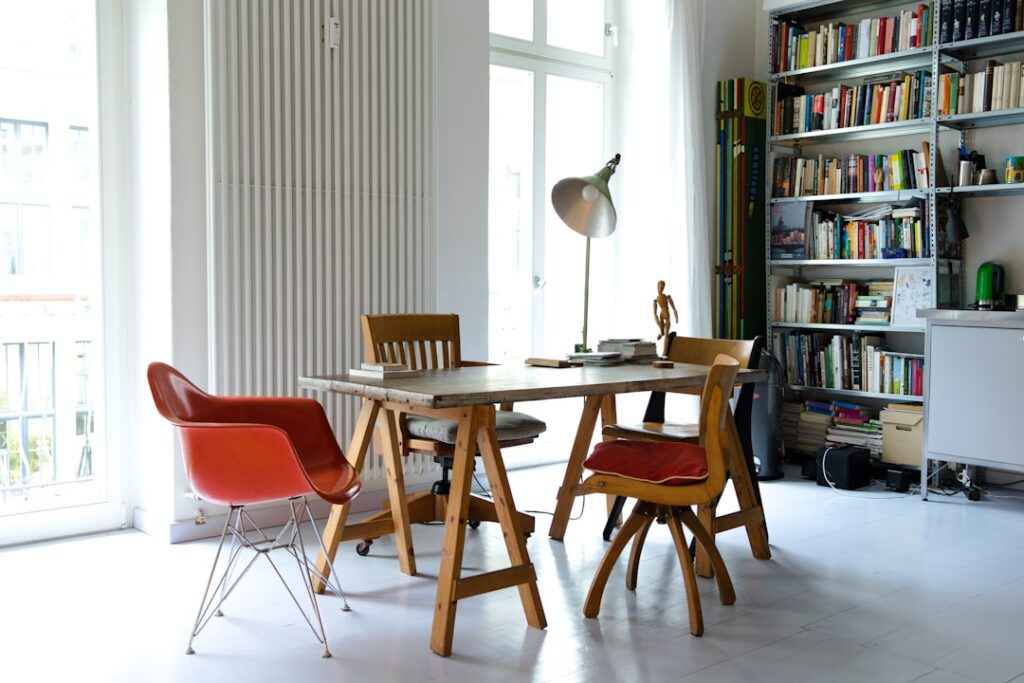
Search “DC flooring” and you will find two completely different topics: flooring brands that use DC in the name (DC Surfaces, DC Hardwoods) and flooring options for the Washington DC metro market with its rowhouses, brick foundations, basement humidity, and slate-roofed historic homes. This guide covers both, because the buying decision is shaped by both. Whether you live inside the Beltway or you are evaluating a DC-branded SKU at a flooring outlet, here is what you need to know.
- Flooring Brands With DC in the Name
- What DC Metro Homes Need From a Floor
- Best Flooring for DC Rowhouses
- Best Flooring for DC Condos
- DC Flooring Cost Realities
- Pros and Cons of Common DC Flooring Choices
- DC Flooring Trends in 2026
- Choosing a DC Area Installer
- Where to Buy in the DC Metro
- Maintenance in DC’s Climate
- Final Thoughts
Flooring Brands With DC in the Name
Three brands dominate the “DC” search results in flooring:
- DC Surfaces. A Northern Virginia-based supplier carrying private-label LVP, engineered hardwood, and tile. Stocks at independent dealers in MD, VA, and DC. Products are typically rebadged from Asian manufacturers with a mid-tier wear layer (12 to 20 mil) and prices that beat box stores by 8 to 15 percent.
- DC Hardwoods. A Mid-Atlantic distributor of solid and engineered hardwood, including specialty grades and reclaimed product. Strong reputation for matching old-growth oak and pine in historic rehabs.
- Dixie Carpet (DC). Older brand in the South now rolled into Engineered Floors. Mostly carpet and value-tier LVP.
If a contractor in the DC market quotes you “DC flooring” as a product name, ask which brand and request the SKU and warranty paperwork. The terminology gets muddy fast.
What DC Metro Homes Need From a Floor
The Washington DC area presents specific flooring challenges that drive product choice:
- High humidity from May through September. Mid-Atlantic summers run 65 to 80 percent relative humidity, which expands hardwood and warps cheap laminate.
- Cold, dry winters. 25 to 35 percent indoor RH causes wood to contract and gap.
- Old housing stock. Many DC rowhouses date to 1880-1925 with uneven joists and original heart pine subfloors.
- Basement moisture. Brick and rubble foundations leak in heavy rain. SPC vinyl or porcelain tile only.
- Resale-driven design. The DC market rewards traditional finishes (oak hardwood, marble or porcelain tile) over trend-driven choices.
Best Flooring for DC Rowhouses
Original heart pine or oak is often hiding under carpet and vinyl in older rowhouses. If the boards are sound, refinishing the original floors costs $3.50 to $5.50 per square foot and adds more resale value than any new flooring product. Schedule the work in spring or fall when humidity is moderate.
For rooms where the original floors are gone, 3/4 inch solid red or white oak in 2 1/4 to 3 1/4 inch widths matches the 1900-1925 era best. Robbins, Bruce, and Mirage all offer compatible profiles. Avoid wide-plank engineered hardwood in historic homes; the proportions look wrong.
Best Flooring for DC Condos
Most DC condos sit on concrete slab construction with HOA noise restrictions. Solid hardwood is rarely permitted. The right products:
- Engineered hardwood with HOA-approved sound mat (typically Quietwalk or Pergo Gold). Floats over slab.
- Premium LVP (COREtec, Karndean) with attached cork pad meets most HOA STC and IIC ratings.
- Cork or rubber underlayment sometimes required by HOA. Verify before bidding.
The HOA sound rating is non-negotiable. Get the spec sheet from your HOA before you select product.
DC Flooring Cost Realities
The DC metro is a high-cost labor market. Flooring installation runs roughly 25 to 40 percent above the national average:
- Engineered hardwood installed: $11 to $18 per square foot.
- Premium LVP installed: $7.50 to $12 per square foot.
- Porcelain tile installed: $13 to $22 per square foot.
- Hardwood refinishing: $4.50 to $7 per square foot.
- Solid hardwood installed: $13 to $20 per square foot.
Crew availability tightens between March and October, the prime DC remodeling season. Booking for January or February sometimes shaves 10 to 15 percent off the same job.
Pros and Cons of Common DC Flooring Choices
Solid Hardwood
Pros: matches historic homes, high resale value, refinishable for 50-plus years. Cons: expensive labor, vulnerable to basement moisture, requires acclimation in DC’s variable humidity.
Engineered Hardwood
Pros: dimensional stability across DC’s humidity swings, works over slab in condos, faster install. Cons: limited refinish capability, premium products needed for true look.
Premium LVP
Pros: waterproof, HOA-friendly, durable in family homes with pets. Cons: not as resale-positive in higher-end DC neighborhoods, doesn’t refinish.
Porcelain Tile
Pros: durability, water resistance, perfect for DC kitchens and baths. Cons: cold underfoot, expensive install, grout maintenance.
DC Flooring Trends in 2026
Three trends dominate DC area remodels right now:
- Wide-plank white oak in 5 to 7 inch widths with light, natural finishes. Replaces the dark walnut and gray-washed looks that peaked in 2020.
- Large-format porcelain in 12×24 and 24×48 formats for kitchens and primary baths.
- Original floor restoration in historic neighborhoods (Capitol Hill, Georgetown, Cleveland Park) where buyers pay a premium for original pine and oak.
Choosing a DC Area Installer
The DC market has both excellent and unreliable flooring contractors. Filter by:
- Class A contractor license in DC, VA, or MD as applicable.
- 5-plus years in business with photographed projects.
- Manufacturer certification (Mirage, Lauzon, COREtec).
- Insurance certificates available on request.
- Three customer references in the same neighborhood as your project.
The biggest red flag is door-to-door solicitation. DC’s flooring scams skew heavily toward unlicensed crews knocking after a windstorm.
Where to Buy in the DC Metro
For materials, the strongest local options are independent specialty dealers like ProSource (multiple locations), Express Flooring of Virginia, and Universal Floors. Floor and Decor has stores in Rockville and Falls Church for budget-tier pricing. Lumber Liquidators (now LL Flooring) carries mid-tier stock. For high-end specifications, Reico Kitchen and Bath stocks Mirage and Lauzon hardwood.
Maintenance in DC’s Climate
The humidity swing between summer and winter is the biggest threat to wood floors in the DC area. A whole-house humidifier in winter targeting 35 to 45 percent RH and a dehumidifier in summer targeting 45 to 55 percent will keep your wood floor stable and prevent gapping or cupping. Hardwood manufacturers warranty floors only within these humidity ranges, so the equipment pays for itself the first time you make a warranty claim.
Final Thoughts
DC flooring decisions sit at the intersection of historic housing stock, demanding climate, and a high-cost labor market. The right answer is rarely the cheapest option, and the resale-driven Washington market rewards traditional choices: oak hardwood in main living areas, porcelain tile in baths, and quality engineered or LVP in basement and condo applications. Specify carefully, hire a licensed installer with real references, and your floor will outlast multiple owners.
Prefer to explore on your own?
See how new flooring looks in your actual room in seconds — free, no signup.
Try the free Floor Studio →

