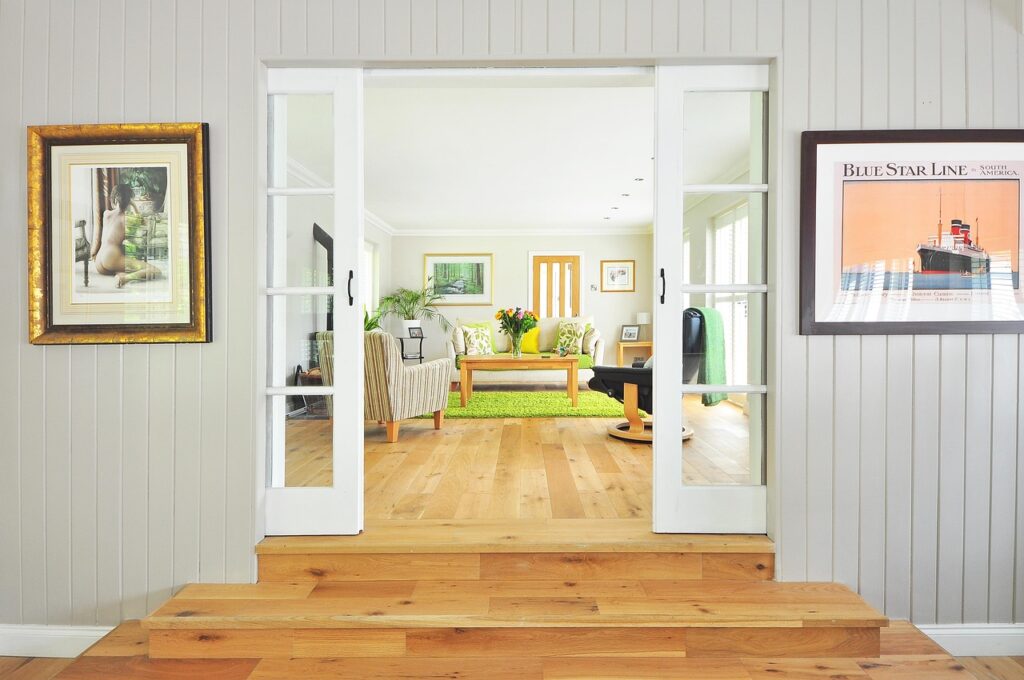
The reason a $3 vinyl plank can convincingly pass for genuine oak comes down to one technology that has quietly revolutionized the industry: digital flooring printing. High-resolution digital imaging now reproduces wood grain, stone veining, and tile texture with a realism that was impossible a decade ago. The term also covers interactive LED and programmable floor systems used in commercial and entertainment spaces. Either way, digital technology has transformed what a floor can look like and do.
This guide explains what digital flooring means, where it shines, and the tradeoffs to weigh. Because the term spans both everyday printed flooring and high-end interactive systems, knowing which one you are shopping for is the first step to a smart purchase.
What “Digital Flooring” Actually Means
The term covers two very different products. The most common is digitally printed flooring, luxury vinyl, laminate, and porcelain tile that use high-definition digital imaging to apply ultra-realistic wood and stone designs. The other is interactive digital flooring, LED panels and pressure-sensitive systems that display dynamic images, react to footsteps, and create immersive effects in retail, events, and entertainment venues.
For most homeowners, digital flooring means the printed kind, the technology behind today’s strikingly realistic vinyl and laminate. For commercial designers, it can mean programmable LED floors. The advice differs sharply between the two, so identify your category first.
Digitally Printed Flooring for Homes
High-definition digital printing applies a photographic image of real wood or stone to the design layer of vinyl, laminate, or tile. Modern presses capture grain, knots, and color variation with such accuracy that no two planks in a box look identical, mimicking the randomness of natural materials. Embossed-in-register texture then aligns the surface feel with the printed grain.
- Realism: HD printing reproduces wood and stone convincingly
- Variety: Any species, color, or stone can be replicated affordably
- Texture matching: Embossing aligns feel with the printed image
- Consistency: No waiting for natural material to be sourced
The Pros of Digital Flooring
For printed flooring, the advantages are compelling. You get the look of expensive hardwood or marble at a fraction of the cost, with the durability and waterproofing of vinyl or porcelain. The design options are essentially unlimited, and the materials are easier to maintain than the natural surfaces they imitate.
Interactive digital floors bring an entirely different benefit: spectacle. They draw crowds in retail, create memorable event experiences, and offer programmable flexibility that no static floor can match. For the right commercial space, they are a powerful marketing tool.
- Realistic high-end looks at budget-friendly prices
- Nearly unlimited design and color options
- Durable, waterproof, low-maintenance base materials
- Interactive systems create immersive, attention-grabbing effects
The Cons to Weigh
Printed flooring is only as convincing as the print resolution and texture quality. Cheap products repeat the same plank image every few rows, creating an obvious pattern that screams fake. Lower-resolution prints also look flat and plastic up close. You have to inspect samples carefully to avoid the cheap-looking tier.
Interactive LED flooring is an entirely different beast: expensive, power-hungry, and demanding regular technical maintenance. It is overkill and impractical for residential use, and even in commercial settings the upfront cost and ongoing upkeep are significant.
- Low-end printed products repeat patterns obviously
- Cheap prints look flat and plastic up close
- Printed designs cannot be refinished like real wood
- Interactive LED floors are costly, power-hungry, and high-maintenance
Cost Expectations
Digitally printed vinyl and laminate run the same as standard products, roughly $2 to $5 per square foot for vinyl and $1.50 to $4 for laminate, with the realism improving as you move up the price tiers. Premium digitally printed porcelain tile that mimics marble or wood can run $4 to $10 per square foot.
Interactive LED flooring is in a different universe, often $50 to $150 or more per square foot installed, plus ongoing maintenance and power costs. That pricing keeps it firmly in the commercial and event category.
How to Buy Digital Flooring Well
For Printed Flooring
- Inspect samples for print resolution and depth up close
- Check how many unique plank images the product cycles through, more is better
- Look for embossed-in-register texture that matches the grain
- Judge durability by wear layer and core, not just the image
For Interactive Systems
Work with a specialized commercial supplier, confirm power and structural requirements, and budget for ongoing technical maintenance and software support. Get a clear service agreement before committing.
How to Spot a Truly Realistic Printed Floor
The realism of digitally printed flooring comes down to a few details most shoppers overlook. The first is pattern repeat, count how many unique plank or tile images a product cycles through. Premium lines offer 20, 30, or more unique faces, so no obvious repetition appears across a room. Cheap products reuse the same handful of images, creating a giveaway pattern.
The second detail is registration, whether the surface texture aligns with the printed grain. On a quality floor, you can feel the wood grain or stone pit exactly where you see it, an effect called embossed-in-register. Lower-end products apply a generic texture that does not match the image, which the eye reads as fake even if it cannot say why.
- Count the number of unique plank or tile faces, more is better
- Check that texture aligns with the printed grain
- Inspect samples up close for depth versus a flat, plastic look
- Look for color variation between planks, like natural material
The Future of Digital Flooring
Digital printing technology keeps improving, and the gap between faux and genuine materials narrows every year. Higher-resolution presses, better texturing, and longer pattern repeats mean today’s mid-range products often outperform yesterday’s premium ones. For homeowners, that translates to more realistic floors at lower prices over time.
On the interactive side, LED and pressure-sensitive flooring continues to find niche commercial uses in retail, museums, and entertainment, though cost and maintenance keep it out of homes. For the foreseeable future, digital flooring’s biggest impact on everyday buyers will remain the printed realism that makes affordable floors look genuinely high-end.
The Bottom Line on Digital Flooring
Digital flooring, in its everyday printed form, is why beautiful, realistic floors are now affordable, delivering the look of hardwood and stone with the durability of vinyl, laminate, or porcelain. Buy the higher-resolution tiers with more unique plank images to avoid a fake, repetitive look. Interactive LED flooring is a specialized commercial product with a much higher cost and maintenance burden. Identify which type you need, then judge it on the specs that matter for that category, and verify current pricing with the manufacturer.
Prefer to explore on your own?
See how new flooring looks in your actual room in seconds — free, no signup.
Try the free Floor Studio →