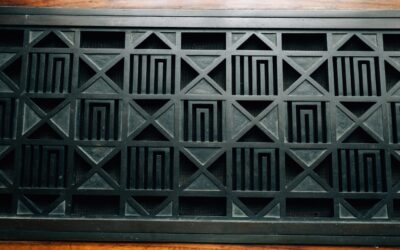
That big stamped-metal grille in the hallway ceiling is often the ugliest thing in an otherwise finished room, and it is also one of the hardest working parts of your heating and cooling system. A decorative return vent cover can turn it into something that looks like intentional millwork or metalwork, but only if the new face lets as much air through as the old one. Pick a pretty pattern with too little open space and your system starts gasping: louder airflow, higher energy bills and rooms that never quite reach the thermostat setting.
The short answer is this: choose a cover whose free area (the percentage of open space in the face) is at least as high as the grille you are replacing, ideally 50 percent or more, and size it to the actual duct opening rather than the old grille’s outer frame. Large returns on walls and ceilings pull air back to the furnace or air handler, so they need more open area than the small supply registers you see on floors. If the return also holds a filter, buy a filter-grille style with a hinged decorative face so you can still change the filter in seconds.
Supply registers and floor vent covers are a different product family. Supplies push conditioned air out through adjustable dampers, while returns have no damper and should never be partially blocked. The advice here applies to the large intake grilles that feed air back into the system.
How a Decorative Return Vent Cover Affects Airflow
Your blower is designed to move a set volume of air, usually about 400 cubic feet per minute for every ton of cooling capacity. A 3-ton system wants roughly 1,200 cubic feet per minute coming back through the returns. When the return opening gets more restrictive, the blower has to work against higher static pressure. Variable-speed motors ramp up and use more electricity, while older fixed-speed motors simply move less air. Either way you lose efficiency, and in cooling season low airflow can let the indoor coil get cold enough to frost over.
Free area is the number that tells you how restrictive a grille is. A plain stamped steel return grille with straight louvers often lands around 60 to 75 percent free area. Perforated metal with small round holes can drop to 40 or 50 percent. Some carved wood and dense lattice patterns sit at 30 percent or less, which is fine for a small decorative piece in a low-demand room but a real problem on the single main return for a whole floor.
Air velocity matters too. Residential returns are usually sized so air moves through the face at roughly 300 to 500 feet per minute. Push it faster through a tight pattern and you hear a whoosh or whistle every time the system kicks on. If your current return is already noisy, upgrading to a higher free-area air return cover can actually make the hallway quieter.
Popular Styles and Materials
Decorative return grilles come in far more finishes than most homeowners expect. The right choice depends on the room style, whether the grille sits on a wall or ceiling, and how much moisture the area sees.
- Stamped or laser-cut steel: Geometric, Moroccan, Greek key and floral patterns, usually powder coated in white, black or bronze. Thin, light and easy to paint. Free area varies widely, so check the spec.
- Cast aluminum or brass: Heavier, more traditional looking and very durable. Good for historic homes and formal rooms. Often in the 40 to 55 percent free-area range.
- Wood: Oak, maple or paint-grade poplar with slotted or lattice faces that can be stained to match flooring or trim. Avoid in bathrooms and laundry rooms where humidity can warp the slats.
- Linear bar or slot grilles: Long, narrow profiles with straight blades that suit modern interiors. These usually have the highest free area of any decorative option.
- Paintable flat panels: Smooth faces with fine perforations that you paint to match the wall so the return almost disappears. Easy on the eye, but confirm free area before committing.
For ceiling returns, lighter materials are easier to hold overhead and put less strain on fasteners. A cast metal piece on a ceiling should always be screwed into framing or a solid duct boot, never held by magnets alone.
Magnetic vs Screw-On Covers
Magnetic covers are popular because they install in seconds and leave no visible screw heads. They work by sticking to the steel frame of an existing grille or to a thin steel plate you add around the opening. That convenience has limits.
When magnetic makes sense
Magnetic faces are a good fit for wall returns in low-traffic rooms, renters who cannot drill, and situations where you want to pop the face off often for cleaning. They also work well as an air conditioner intake vent cover in a bedroom where a plain grille looks out of place.
The catch with magnets
Many magnetic products are designed to be laid over the existing grille. That stacks two restrictions on top of each other, and the combined free area can fall under 30 percent. Strong negative pressure at the return can also pull a lightweight magnetic face tight against the old grille, sealing it like a lid. If you go magnetic, remove the old grille first and mount the magnetic face to a frame or strike plate instead of layering it.
Screw-on and spring-clip covers
Screw-on faces fasten through the frame into the duct boot, wall framing or a mounting collar. Spring-clip versions push into the boot opening and hold by tension. Both are the better choice for ceilings, high-traffic hallways and households with kids or pets who might knock a face loose. Hidden-fastener designs give you the clean magnetic look with the security of screws.
Filter-Grille Compatibility
Many homes put the air filter right behind the return grille instead of at the furnace. If yours works that way, the decorative piece has to keep that function. A filter grille has a frame that stays fixed to the wall or ceiling plus a hinged door that swings open on a latch or thumb screws. You slide the filter into a track, close the face and you are done.
When shopping, match three things: the nominal filter size printed on your current filter (for example 20 by 25 by 1), the filter depth the frame can hold, and the hinge location. A ceiling filter grille should hinge on one long side so the door hangs open safely while you work. Do not try to wedge a filter behind a standard decorative face with no filter track; it will bow, leak air around the edges and eventually get sucked into the duct.
Keep in mind that a high-efficiency pleated filter adds resistance on top of the grille. If you pair a fairly restrictive decorative return duct cover with a dense filter, airflow can drop more than either item alone would suggest. Use a medium-efficiency pleated filter unless your system was designed for thicker media.
Tools and Materials
- Tape measure and pencil
- Stepladder rated for your weight (for ceiling returns)
- Drill/driver with Phillips and square bits
- Screws or anchors matched to framing, drywall or sheet-metal boot
- Foil HVAC tape or mastic for sealing gaps around the boot
- Vacuum with a brush attachment
- Paint or stain if finishing the cover on site
- The new decorative return air grille, sized to the duct opening
How to Measure and Install
- Turn the system off at the thermostat. This keeps dust from being pulled into the ductwork while the grille is off and stops the blower from tugging on loose parts.
- Remove the existing grille. Back out the screws or release the spring clips. Take a photo of how it was attached.
- Measure the duct opening, not the old frame. Grilles are sold by the size of the hole they cover. Measure width and height of the opening in the wall or ceiling, then buy that nominal size. The decorative frame will be an inch or two larger on every side to cover the rough edge.
- Clean and seal. Vacuum the boot and the first foot or so of duct you can reach. Seal any gaps between the boot and drywall with foil tape or mastic so the return pulls air from the room, not from the wall cavity or attic.
- Finish the cover if needed. Paint or stain unfinished wood and paintable metal before installation. Let it cure fully so it does not stick to the wall.
- Mount the frame. Center the cover, check it with a level on wall installs, and drive screws into the boot flange or framing. On ceilings, have a helper hold the piece while you fasten it.
- Install the filter if applicable. Slide in a filter with the airflow arrow pointing toward the duct, close the door and engage the latches.
- Run the system and listen. Turn the blower on and stand near the grille. You should feel steady suction with no whistling. Check that the face does not rattle or flex inward.
Troubleshooting Common Problems
Whistling or roaring noise: The free area is too low or the cover is undersized. Upgrade to a more open pattern, or ask an HVAC technician whether a second return would help.
Rooms feel stuffy or the system runs longer: Restricted returns reduce total airflow. Compare free area numbers and remove any layered cover sitting over an old grille.
Dust streaks around the frame: Air is leaking around the edges. Remove the cover, seal the boot to the drywall and reinstall with a foam gasket if the product includes one.
Magnetic face keeps falling off: The magnets are too weak for the suction, or the strike surface is aluminum rather than steel. Switch to a screw-on or spring-clip design.
Wood cover warping: Humidity is the usual cause. Seal all six faces of the wood or replace it with powder-coated metal in damp areas.
Typical Costs
Basic stamped-steel decorative faces for small returns often run in the low tens of dollars. Large wall or ceiling sizes in powder-coated steel commonly fall in the range of roughly 40 to 150 dollars. Cast metal and hardwood pieces can climb into the 150 to 400 dollar range or more, especially in oversized or custom dimensions. Filter-grille versions typically cost a bit more than a fixed face of the same size because of the hinge and latch hardware.
Installation is usually a short DIY job. If you hire a handyman, expect a modest service-call charge. An HVAC contractor visit to evaluate return sizing costs more but is worth it if you suspect the system is starved for air.
When to Call an HVAC Professional
Swapping a grille is simple, but the return system itself is engineered. Call a licensed HVAC technician if you notice ice on the refrigerant lines, the blower sounds strained, or the system was already noisy before you changed the cover. A technician can measure static pressure and tell you whether the return is undersized. If you want to move a return, enlarge the opening or add a new one, that work involves cutting framing and modifying ductwork, and it should be done by a pro who can size it correctly and check local code.
For most homeowners, though, a well-chosen hvac return cover with good free area, the right size and secure fasteners is an easy weekend upgrade that makes a hallway or living room look finished without costing you comfort.
Frequently Asked Questions
Can a decorative return vent cover reduce HVAC efficiency?
Yes, if its free area is much lower than the original grille. Choose a pattern with roughly 50 percent or more open area and avoid layering a cover over an existing grille.
What size return grille should I buy?
Buy by the size of the duct opening in the wall or ceiling, not the outer dimensions of the old grille. The decorative frame overlaps the opening on all sides.
Are magnetic return vent covers safe on ceilings?
They are not the best choice. Ceiling returns should use screw-on or spring-clip fasteners so the cover cannot drop when the blower starts or someone bumps it.
Can I put a filter behind a decorative return grille?
Only if it is a filter-grille design with a fixed frame, a filter track and a hinged door. A plain decorative face does not hold a filter securely.
Is a return cover different from a floor vent cover?
Yes. Floor vent covers and supply registers blow air out and often have dampers. Returns pull air back to the system and should never be partly closed or blocked.
Can I paint a metal return grille?
Yes. Lightly scuff it, use a bonding primer and a thin coat of spray paint, and keep the holes clear so paint does not reduce the open area.