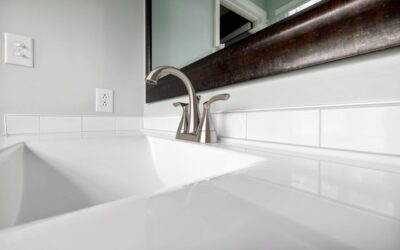
When homeowners want a dependable, traditional-looking faucet without a designer price tag, one model comes up again and again. The Delta Windemere two handle kitchen faucet has been a go-to for kitchens and rental properties for years thanks to its classic styling, easy repairs, and everyday reliability. Understanding its features, quirks, and simple fixes helps you get the most from it.
Part of our Kitchen Remodeling guide — explore the full guide →
What Makes the Windemere Popular
The appeal is straightforward value. This faucet delivers a timeless two-handle look, usually with a high-arc spout and an optional matching side sprayer, at a price that undercuts most competitors. It is widely stocked, backed by Delta’s strong warranty, and simple enough for a first-time DIYer to install in an afternoon.
Its separate hot and cold handles give precise temperature control and a familiar operation that many homeowners prefer over single-lever designs, especially in traditional or transitional kitchens.
Key Features and Specs
The Windemere line covers the essentials without frills, which is exactly why it sells.
- Two-handle design: Independent hot and cold control with lever handles.
- High-arc swing spout: Clears tall pots and swivels for a two-basin sink.
- Optional side spray: A matching sprayer for rinsing dishes and produce.
- Finishes: Chrome and stainless (SpotShield) are the most common.
- Flow rate: Around 1.8 gallons per minute, meeting modern efficiency standards.
It mounts in a standard 8-inch widespread or three-hole configuration, so it drops into most existing sinks without drilling.
Delta’s DIAMOND Valve and Reliability
Underneath the traditional looks, many Windemere models use Delta’s ceramic-based valve technology built for a long, drip-free life. This is a big part of why the faucet earns repeat buyers. The valves resist the mineral wear that causes cheaper faucets to drip within a year or two, and when they eventually do wear, replacement cartridges are cheap and easy to find.
Installing the Faucet
Swapping in a Windemere is a manageable DIY job with basic tools. Clear out the cabinet, grab a basin wrench, and set aside about an hour.
- Shut off the hot and cold supply valves under the sink and open the old faucet to relieve pressure.
- Disconnect the supply lines and remove the mounting nuts holding the old faucet.
- Clean the sink deck, then set the new faucet, feeding the handles and spout through the holes.
- Tighten the mounting hardware from below and connect the supply lines and side spray hose.
- Turn the water back on, remove the aerator, and flush the lines before checking for leaks.
Use plumber’s tape on threaded connections and hand-tighten plus a quarter turn to avoid cracking fittings.
Common Issues and Easy Fixes
Like any faucet, the Windemere develops predictable, fixable problems over years of use.
- Dripping spout: Usually worn valve seats or a cartridge; a Delta repair kit resolves it for under $20.
- Low flow: Almost always a clogged aerator; unscrew and clean out the mineral debris.
- Weak side spray: A stuck diverter in the faucet body, which you can clean or replace.
- Loose handle: Tighten the set screw under the handle cap.
Because parts are standardized and inexpensive, repairing this faucet almost always beats replacing it.
Fixing a Drip Step by Step
A dripping handle is the most common complaint and the most satisfying fix. Turn off the supplies, pop the handle cap, and remove the handle screw. Lift out the bonnet and the springs and seats beneath the valve, then drop in the new springs and rubber seats from a Delta RP kit. Reassemble in reverse. The whole repair takes 20 minutes and stops the drip that would otherwise waste gallons a day.
Is It the Right Faucet for You?
The Windemere shines for homeowners who want classic two-handle styling, proven reliability, and dirt-cheap repairs. It is a favorite for rentals, budget remodels, and traditional kitchens. If you want a pull-down sprayer, touchless operation, or the latest single-handle look, Delta’s higher lines fit better. But for straightforward, long-lasting function, it is tough to beat at the price. Landlords in particular gravitate to it because a cheap cartridge keeps a leaking faucet in service for years rather than forcing a full replacement between tenants.
Finish Options and Care
The Windemere’s most popular finishes are polished chrome and a stainless-look coating Delta markets as SpotShield, which resists water spots and fingerprints, a real advantage over plain chrome around a busy sink. Chrome cleans up brilliantly but shows every droplet, while the SpotShield finish stays looking clean with less wiping.
Whatever the finish, skip abrasive cleaners and scouring pads that dull the surface. A soft cloth with mild dish soap and water keeps it bright, and an occasional buff with a dry microfiber towel removes hard-water spots. In very hard-water areas, wiping the faucet dry after heavy use goes a long way toward preserving the shine and preventing mineral crust around the base.
Warranty and Long-Term Value
Part of the Windemere’s appeal is Delta’s backing. The company offers a strong limited lifetime warranty on the faucet’s finish and function to the original homeowner, and it ships replacement cartridges and parts freely when something wears out. That coverage, combined with cheap and widely stocked repair kits, means the true cost of ownership stays low over the years. For a budget faucet, few competitors match that combination of warranty support and easy, inexpensive parts.
Final Thoughts
The Delta Windemere two handle kitchen faucet remains a smart pick for anyone who values reliability and easy maintenance over flashy features. It installs in an hour, the finishes wear well, and when a drip finally appears years down the road, a cheap repair kit brings it back to life. For dependable, no-drama kitchen plumbing, it continues to earn its long-standing popularity.