Choosing your home’s exterior color is one of the highest-stakes decisions in any siding project, because you’ll live with it for 20 to 40 years. Today’s different color vinyl siding options range far beyond the builder-grade beige and white of decades past, with manufacturers now offering deep blues, rich grays, bold blacks, and warm earth tones that hold up against sun and weather. But not every color performs equally, and the wrong shade can fade, warp, or clash with your roof. This guide walks through the color landscape so you can pick a siding hue that looks great and lasts.
The Modern Vinyl Siding Color Palette
Vinyl siding color choices have expanded dramatically. Major brands like CertainTeed, Mastic, and Royal Building Products now stock dozens of shades grouped into broad families:
- Neutrals: White, almond, clay, sandstone, and gray remain the most popular and the safest for resale.
- Blues: Soft pacific blues, slate, and deep navy have surged in popularity for coastal and traditional homes.
- Greens: Sage, forest, and olive suit homes surrounded by trees.
- Earth tones: Tan, mocha, cypress, and autumn red ground a home in its landscape.
- Bold darks: Charcoal, espresso, and even true black for modern, high-contrast exteriors.
Why Darker Colors Were Once a Problem
For years, homeowners were steered away from dark vinyl siding for a good reason: dark colors absorb more heat, and older vinyl could warp, buckle, or fade badly under that thermal stress. A black panel on a sunny southern wall could reach surface temperatures well above 140°F.
Manufacturers solved much of this with heat-reflective pigment technology, marketed under names like ColorHold and SureStart. These formulations reflect infrared light, keeping panels cooler and dramatically improving fade resistance. If you want a dark color, insist on a line specifically rated for it, and confirm the warranty covers fade and heat distortion.
Fade Resistance and Warranties
Color longevity is where cheap and premium siding separate. Lower-grade vinyl can show noticeable fading within 7 to 10 years, especially on sun-baked walls. Premium siding with through-body or capstock color and UV-stabilized pigments holds its tone far longer.
Read the warranty carefully. Quality vinyl siding typically carries a lifetime limited warranty with a fade clause measured in Hunter units, a standard for color change. A fade rating of 5 Hunter units or less over the warranty period indicates strong color retention. Darker and more saturated colors generally fade more than light neutrals, so factor that into your choice.
Matching Siding Color to Your Home
The best siding color works with your fixed elements, not against them. Before you commit, evaluate:
- Roof color: Pull a complementary or neutral siding shade from your roof’s tones. A warm brown roof pairs with tans and creams; a gray roof opens up blues and charcoals.
- Brick or stone accents: Any masonry on the facade should harmonize with the siding, not compete.
- Trim and shutters: Plan a contrasting trim color, often white or a darker accent, to frame windows and corners.
- Neighborhood and HOA: Check for color restrictions and aim to complement, not clash with, nearby homes.
Cost Differences by Color
Color itself rarely changes the base price much, but the product tier does. Standard vinyl siding runs about $3 to $7 per square foot installed, while premium insulated or designer-color lines run $7 to $12. Specialty dark colors and architectural profiles sit at the upper end because they require the advanced heat-reflective pigments.
For an average 2,000-square-foot home, expect a total installed cost of roughly $12,000 to $25,000 depending on grade and color line. Spending a bit more on a fade-resistant premium color often pays off by preserving curb appeal and avoiding a repaint or re-side years sooner.
Two-Tone and Accent Color Strategies
You don’t have to wrap your entire home in a single shade. Some of the most striking exteriors combine two or more vinyl colors to add depth and architectural interest. A common approach pairs a primary body color with a contrasting shade on accent areas like gables, dormers, or a board-and-batten section.
Vinyl shake and scallop siding in a complementary color can highlight a gable peak or porch, breaking up a large facade. Many manufacturers offer matching trim, soffit, and fascia in coordinating colors so the whole package looks cohesive. When mixing shades, keep one color dominant and use the second sparingly as an accent, since too many competing colors can make a home look busy rather than custom.
Climate Considerations by Region
Where you live should influence your color choice as much as your taste does. In hot, sunny climates like the Southwest, lighter colors reflect heat and resist visible fading better, while dark siding faces the most thermal stress and demands premium heat-reflective formulations. In cooler northern regions, darker colors are lower-risk and can even help with passive solar warmth.
Coastal homes face salt air and intense UV, so fade resistance and a strong warranty matter most there. In areas with heavy pollen or frequent rain, mid-tone colors hide dust and water spotting better than stark white or very dark shades. Factor your local sun exposure, temperature swings, and air quality into the decision so your chosen color stays attractive year-round.
Sampling Before You Commit
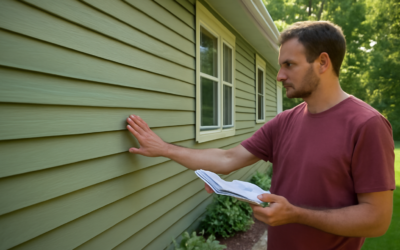
Never choose siding color from a tiny chip or a website thumbnail. Order full-size sample panels and tape them to your actual walls, then observe them at different times of day. Morning, midday, and evening light change a color dramatically, and a gray that looks soft at noon can read blue or purple in shade.
View the samples on both the sunny and shaded sides of the house, and against your roof and trim. Live with them for a few days before deciding. Once you’ve confirmed how the different color vinyl siding reads on your specific home, in your specific light, you can order with confidence, knowing the exterior you choose will look as good in year fifteen as it does on installation day.
Prefer to explore on your own?
See how new flooring looks in your actual room in seconds — free, no signup.
Try the free Floor Studio →