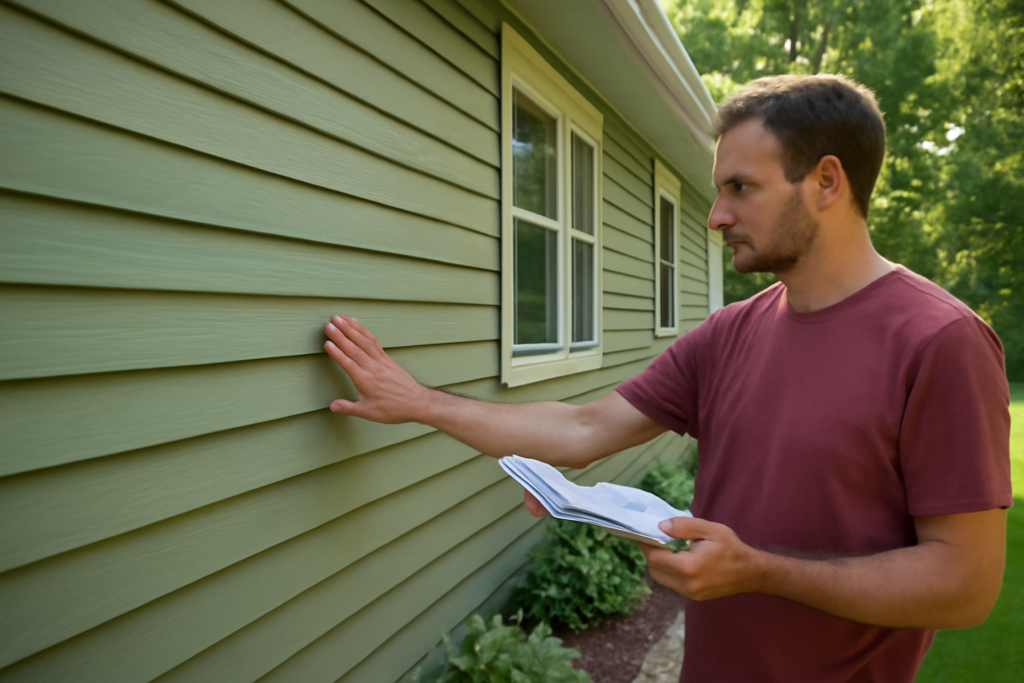
Green vinyl siding is a distinctive, nature-inspired exterior choice that has grown in popularity as homeowners look to move beyond the standard white, beige, and gray palettes. From soft sage to deep forest, green siding can give a home warmth, character, and a connection to its surroundings, while still offering all the low-maintenance, weather-resistant benefits that make vinyl one of the most popular siding materials in the country. Choosing the right shade and quality grade, though, takes a little planning.
Why Choose Green Siding
Green stands apart from the neutral siding colors on most streets, giving a home individuality and curb appeal. It pairs naturally with landscaping, trees, and wooded settings, which is why it reads as inviting rather than jarring. Greens also span a wide emotional range: pale sage feels calm and cottage-like, while a rich forest green looks classic and stately. Because vinyl is affordable and durable, green siding lets you make a bolder color statement without the upkeep that painted wood would require.
Popular Green Shades
Green siding comes in a broad spectrum, so consider how each tone will look against your roof, trim, and surroundings.
- Sage and soft green: Muted, neutral-leaning tones that pair beautifully with white trim for a fresh, cottage or farmhouse look.
- Forest and hunter green: Deep, saturated greens that feel traditional and dramatic, especially against cream or white accents.
- Olive and moss: Earthy, warm-toned greens that blend with natural and rustic settings.
- Mint and seafoam: Light, airy greens that suit coastal and vintage-style homes.
Always view large samples in natural light at different times of day, since green can shift noticeably between morning, midday, and overcast conditions.
Fade Resistance and Color Retention
One historical concern with colored vinyl siding, especially darker and more vivid shades, was fading over years of sun exposure. Modern vinyl has improved dramatically thanks to UV-resistant additives and color-stabilizing technology, so quality green siding holds its color far better than older products. That said, deeper greens absorb more heat and can fade more than light neutrals over a long lifespan. To protect your investment, choose a reputable manufacturer, look for strong fade warranties, and consider that darker colors on sun-baked southern exposures may show more change over time.
Cost Expectations
Green vinyl siding generally costs the same as other vinyl colors, since color rarely changes the base price much. Materials typically run in the range of $2 to $7 per square foot, with premium insulated or thicker-gauge products at the higher end. Installed, including labor, total project costs commonly fall between $4 and $12 per square foot depending on your home’s size, complexity, and the product grade you select. Thicker, higher-grade panels resist warping and hold color better, so paying a bit more upfront often pays off in appearance and longevity.
Pairing Green with Trim and Roof
Green siding looks its best when thoughtfully coordinated with the rest of the exterior. Crisp white or cream trim brightens any green and is the most popular, foolproof pairing. Darker trim, like deep brown or charcoal, can make a forest green feel rich and grounded. For the roof, neutral grays, blacks, and browns complement most greens, while a green roof against green siding usually needs careful tonal contrast to avoid looking flat. Bring physical samples of your siding, trim, and roof shingle together before committing, since these elements must work as a whole.
Durability and Maintenance
Like all vinyl siding, green panels are low-maintenance and built to withstand weather. They resist moisture, will not rot, and never need painting. Routine care is simple: rinse the siding once or twice a year with a garden hose, and wash off dirt, mildew, or pollen with a soft brush and a mild soap-and-water solution. Avoid harsh abrasives and high-pressure washing aimed upward under the panels, which can force water behind the siding. Properly installed and occasionally cleaned, quality green vinyl siding can last 20 to 40 years.
Choosing the Right Product
When shopping for green vinyl siding, look beyond color to quality. Check the panel thickness or gauge, since thicker panels resist warping and impact better. Compare warranties, especially fade and hail warranties, as these signal manufacturer confidence. Consider insulated vinyl siding if energy efficiency matters, as it adds an R-value boost and a more rigid, premium feel. And confirm that the green you love comes in matching trim, corner posts, and accessories so the whole installation coordinates cleanly.
Matching Green Siding to Your Setting
Green siding shines when it responds to its environment, so look at what surrounds your home before settling on a shade. A house tucked among mature trees or backing onto woods can carry a deeper forest or hunter green that echoes the canopy, while a home on an open, sunny lot often looks better in a lighter sage that will not read as too heavy or fade aggressively. Brick, stone, and existing landscaping all influence the choice: warm-toned brick pairs with olive and moss greens, while cool gray stone complements sage and slate-leaning greens. Consider the neighborhood character too, since a green that feels charming on a country cottage might clash on a tightly packed suburban street.
HOA Rules and Resale Considerations
Before you fall in love with a bold green, confirm it is allowed. Many homeowners associations maintain approved exterior color palettes, and some restrict saturated or unconventional colors, so check your community’s guidelines and get written approval if required to avoid a costly redo. Resale is the other practical factor: while a tasteful sage or muted green has broad appeal, a very bold or unusual shade can narrow your buyer pool down the road. If you plan to sell within a few years, a softer, widely liked green is the safer bet; if this is a long-term home, you have more freedom to choose a color that simply makes you happy.
Final Thoughts
Green vinyl siding offers a fresh, nature-inspired way to set your home apart while keeping the affordability and easy upkeep of vinyl. Choose a shade that suits your home’s style and surroundings, coordinate it with the right trim and roof, and invest in a quality, fade-resistant product from a reputable manufacturer. View samples in real daylight before deciding, and you will end up with a distinctive, durable exterior that boosts curb appeal for decades.
Prefer to explore on your own?
See how new flooring looks in your actual room in seconds — free, no signup.
Try the free Floor Studio →