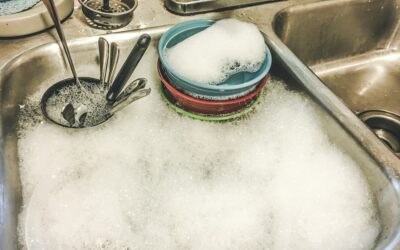
It is one of the most common kitchen mistakes — and one of the most dramatic. Put dishwashing liquid in dishwasher instead of dishwasher detergent and within ten minutes your kitchen floor will be foaming like a frat house science fair. The chemistry is straightforward, the cleanup is annoying but manageable, and the damage to the machine is almost always minor if you stop the cycle fast. Here is what to do.
- Why Hand Soap Foams in a Dishwasher
- Stop the Cycle Immediately
- How to Get the Foam Out
- What to Do with the Foam on the Floor
- Will the Dishwasher Be Damaged?
- When You Are Out of Detergent
- How to Prevent This in the First Place
- What If a Kid or Houseguest Did It
- The Comedy Trope vs Reality
- Will Insurance Cover Foam Damage?
- If You Have Already Started the Cycle
Why Hand Soap Foams in a Dishwasher
Dish soap (Dawn, Palmolive, Joy) is formulated to produce lots of suds because suds visually signal that the soap is working when you wash by hand. Dishwasher detergent (Cascade, Finish) is low-foaming on purpose — the spinning arms and high-pressure jets need water, not foam, to clean dishes. Even a tablespoon of dish soap in a dishwasher fill cycle produces enough foam to push out of the door seal and across the floor.
The mistake is shockingly common because the bottles often sit inches apart under the sink and look similar at a glance.
Stop the Cycle Immediately
The moment you realize the mistake, hit the cancel or stop button. If your model requires holding the start button for 3-5 seconds to cancel, do that. Open the door slightly — just enough to stop the wash arms without letting a wave of foam pour out — and assess.
If foam is already on the floor, throw down towels immediately and unplug the dishwasher at the outlet if you can reach it safely. Water plus electronics is the bigger risk than the foam itself.
How to Get the Foam Out
Foam is far easier to deal with than full water. Step by step:
- Scoop foam out of the dishwasher with a measuring cup or ladle into a bucket. Do not let it spread further.
- Sprinkle 1/4 cup of table salt directly into the bottom of the dishwasher. Salt breaks down soap foam by disrupting the surface tension.
- Wipe down the walls, racks, and door with a clean damp microfiber cloth.
- Run a rinse-only cycle (no detergent) with the salt still in there. The salt continues to suppress new foam during the rinse.
- If foam returns, run a second rinse cycle. Most dishwashers need 2-3 rinse cycles to fully purge the surfactant.
Vegetable oil (1-2 tablespoons) also breaks foam by disrupting the suds, though salt is cleaner and more reliable.
What to Do with the Foam on the Floor
Towels first, then a wet/dry vacuum if you have one. A Shop-Vac handles soap foam without damage. Do not use a regular vacuum — the soap and water will ruin the motor. After scooping up the bulk, rinse the floor with clean warm water and a final mop. Soap residue on tile or vinyl floors is slippery for days if not rinsed properly.
Pull the dishwasher kick plate off (usually two screws at the base) and check under and behind the unit. Foam migrates surprisingly far through gaps.
Will the Dishwasher Be Damaged?
Almost always, no. A single accidental dose of dish soap rarely causes lasting harm. Modern dishwashers have plastic and stainless-steel interiors that tolerate surfactants. The real risk areas:
- Door seal — foam can degrade the rubber over time. Wipe and dry it thoroughly.
- Control board — only at risk if water and foam reach the door panel electronics. If you stopped the cycle quickly, this is rare.
- Drain pump — extra suds slow drainage. Running rinse cycles flushes residue out.
- Filter — bottom mesh filter may need removal and hand-wash if it traps soap film.
Models from Bosch, Miele, KitchenAid, and Whirlpool all handle this incident without permanent harm if cleaned up promptly.
When You Are Out of Detergent
Never substitute regular dish soap. If you genuinely have no detergent and need to run a load, two emergency options work:
- 1 tablespoon baking soda plus 1 tablespoon borax in the main detergent compartment
- 1/4 cup distilled white vinegar in a top-rack-safe cup plus 1 tablespoon baking soda sprinkled in the bottom
Neither cleans as well as real detergent, but both avoid foam disaster. Skip the dish soap shortcut entirely.
How to Prevent This in the First Place
Three easy habits eliminate the mistake:
- Store dishwasher detergent in a clearly different location than hand soap. Top of the dishwasher itself is ideal.
- Switch to tab- or pod-format detergents (Cascade Platinum, Finish Quantum Ultimate) — there is no way to confuse a pre-dosed plastic tab with liquid soap
- Use a labeled tub or basket for dishwasher supplies separate from sink-side supplies
Dishwasher pods cost $0.20-$0.40 per load and eliminate dosing errors. Worth every penny.
What If a Kid or Houseguest Did It
The cleanup steps are the same. Use it as a teaching moment, not a scolding one — even seasoned adults make this mistake, especially with bottles stored close together. Take the opportunity to relabel and reorganize the under-sink area.
The Comedy Trope vs Reality
Sitcoms make this incident look catastrophic. In reality, a calm 15 minutes of cleanup and 2-3 rinse cycles fixes everything. Wipe down the floor, run an empty dishwasher cycle with real detergent the next day, and the machine performs exactly as it did before. The biggest casualty is usually a sock that walked through soapy floor before you got to the towels.
Will Insurance Cover Foam Damage?
Most homeowners insurance policies cover sudden water damage from appliance malfunction, but a self-inflicted soap accident may fall under the “intentional or negligent act” exclusion. If the foam migrated under cabinets, soaked subflooring, or damaged hardwood, document everything with photos before drying out the area. Call your agent before assuming coverage. Average claims for minor dishwasher overflow run $800-$2,500 in restoration costs.
Mitigation is critical. Drying the floor within the first 24 hours dramatically reduces the chance of mold growth in baseboards and subfloor cavities. Pull baseboards if water got behind them and run a fan for 48 hours.
If You Have Already Started the Cycle
If you discover the mistake mid-cycle and foam is already pouring out, do not just open the door wide — the wash arms may still be spinning and will spray foam across the kitchen. Stop the cycle through the control panel first, wait 30 seconds, then open the door slowly. Toss towels along the door bottom before they hit the floor. Salt or vegetable oil applied directly to the spinning surface inside the unit accelerates foam breakdown.
Treat it as one of those low-stakes household stories you tell at dinner. Then put the dish soap behind the hand soap so it never happens again.