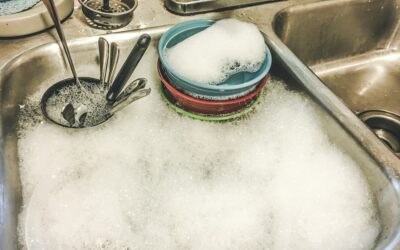
It is one of the most common kitchen mistakes — grabbing the bottle of Dawn instead of the dishwasher detergent pod and hitting start. Within minutes, suds pour out from under the dishwasher door, flood the kitchen floor, and create a mess that takes longer to clean up than hand-washing the entire load would have. Understanding what happens when you put dish soap in dishwasher machines, how to fix it quickly, and how to prevent residual suds from recurring on the next cycle saves you time and potential water damage.
What Happens and Why
Regular dish soap (Dawn, Palmolive, Ajax) is formulated to produce abundant suds when agitated in water. Dishwashers agitate water vigorously through high-pressure spray arms and jets. The combination creates a massive volume of suds — a single tablespoon of dish soap in a dishwasher generates enough foam to fill the entire machine and overflow onto the floor.
Dishwasher detergent is specifically formulated to clean without producing suds. The surfactants in dishwasher pods and powders work at low-suds levels because the cleaning action comes from the spray pressure, water temperature (120-140°F), and enzyme-based agents — not from foam. Suds actually interfere with dishwasher cleaning by cushioning the spray impact and preventing water from reaching dish surfaces effectively.
Emergency Fix: Stop the Suds
- Cancel the cycle immediately. Press the cancel or drain button. If suds are already on the floor, place towels around the base to contain the spread
- Open the door carefully when the machine stops. Suds will be piled inside — they will not rush out like water, but expect some to spill onto the floor
- Scoop out the suds with a bowl or cup and dump them in the sink. Remove as much foam as possible by hand
- Add 1/2 cup of white vinegar directly onto the suds inside the dishwasher. Vinegar breaks down soap bubbles rapidly. Alternatively, sprinkle 2 tablespoons of table salt over the suds — salt also collapses foam
- Run a rinse cycle. Close the door and run a rinse-only cycle (or the shortest available cycle with no detergent). This flushes the remaining soap from the system
- Check for residual suds. If foam is still visible after the rinse cycle, add another 1/2 cup of vinegar and run a second rinse. Most cases clear in 1-2 rinse cycles
Cleaning Up the Floor
Mop the soapy water from the floor immediately — standing water near the dishwasher can seep under the unit, damaging the subfloor and creating conditions for mold growth. If water reached under the dishwasher, point a fan at the base for several hours to dry the area. For hardwood floors, wipe up all water promptly and dry with towels. Prolonged exposure to soapy water can damage hardwood finish and cause swelling.
Check the dishwasher’s drain filter (usually at the bottom of the tub behind the spray arm) after the incident. Suds can trap food particles that normally wash away, clogging the filter. Remove the filter, rinse under running water, and replace. This takes 2 minutes and prevents drainage issues on the next cycle.
Will Dish Soap Damage the Dishwasher?
A one-time accident causes no lasting damage to the dishwasher itself. The machine is designed to handle water and soap — the problem is the overflow, not the soap chemistry. However, repeated use of dish soap in place of dishwasher detergent can cause issues. Excess suds put additional stress on the drain pump, and soap residue builds up inside the spray arms, hoses, and pump housing over multiple cycles.
After the suds are cleared and the rinse cycles complete, run one normal cycle with proper dishwasher detergent and an empty rack. This flushes any remaining dish soap from the internal plumbing and restores normal operating conditions. Your next load of dishes will run as though the incident never happened.
What If You Are Out of Dishwasher Detergent?
When you discover you are out of dishwasher pods or powder mid-load, do not substitute regular dish soap. Instead, use one of these safe alternatives in a pinch:
- Baking soda: 1-2 tablespoons in the detergent cup. Mildly cleans and deodorizes. Not as effective as real detergent but will not cause suds or overflow
- White vinegar: 1 cup in a dishwasher-safe bowl on the top rack. Acts as a cleaning agent and rinse aid. Safe for all dishwashers
- Borax: 1-2 tablespoons in the detergent cup. Boosts cleaning power in hot water without producing suds. Available in the laundry aisle ($5 for 65 oz)
- Nothing: Running a hot water cycle with no detergent still removes most food residue through heat and spray pressure alone. Better than risking a dish soap disaster
Preventing the Mix-Up
Store dish soap and dishwasher detergent in separate locations — dish soap by the sink and dishwasher detergent under the sink or in a drawer near the dishwasher. If both are stored under the sink, keep them on opposite sides. Choose dishwasher detergent in a visually distinct format (pods in a tub versus liquid soap in a bottle) to make the difference obvious, especially at 6 AM when coffee has not yet kicked in. Label the dishwasher detergent storage location if other family members or houseguests commonly load the dishwasher.