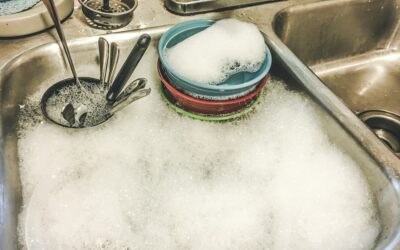
If you are standing in front of an empty detergent box wondering, can i use dish soap in dishwasher as a substitute, the firm answer is no. Liquid dish soap, the kind made for hand washing at the sink, produces enormous volumes of foam that a dishwasher cannot handle, and pouring even a tablespoon in can send suds spilling across your kitchen floor within minutes. Dishwashers are engineered for low-foaming detergents that clean through different chemistry. This guide explains exactly why the two are not interchangeable, what to do if you have already made the mistake, and which products actually belong in the machine.
Why Dish Soap and Dishwasher Detergent Are Different
The confusion is understandable because both clean dishes, but they are formulated for opposite environments. Hand dish soap is a surfactant designed to create thick, stable suds that help you scrub by hand and visually track coverage. Dishwasher detergent, by contrast, is specifically low-foaming. A dishwasher cleans by spraying high-pressure jets of water and using enzymes and mild alkaline agents to break down food, not by generating bubbles. If you introduce a high-foaming hand soap into that spray action, the agitation whips it into a mountain of foam that the pump cannot contain.
What Happens If You Use Dish Soap
The result is fast and messy. As the dishwasher runs and sprays water, the dish soap foams uncontrollably, filling the tub and forcing suds out through the door seal and vents. Within a single cycle you can find a growing pile of bubbles and water on the kitchen floor. Beyond the immediate mess, the overflow can:
- Spread water across the floor in front of and beside the appliance, risking damage to wood, laminate, or vinyl flooring.
- Seep under cabinets and into the subfloor, where trapped moisture can cause warping or mildew.
- Leave a soapy residue on dishes that requires a rinse to remove.
- Stress the drain pump as it tries to evacuate foam instead of water.
The cleanup is the real headache, and protecting your flooring is the most important reason to avoid the experiment entirely.
What to Do If You Already Added Dish Soap
If you have already started a cycle with hand dish soap, act quickly to limit the foam and the mess. Follow these steps:
- Stop and cancel the cycle. Open the door carefully, since foam may be building inside.
- Scoop out as much visible foam as you can with a cup or bowl and dump it in the sink.
- Remove standing water from the bottom of the tub with a towel or sponge.
- Sprinkle a generous amount of table salt or a tablespoon of olive oil over the remaining suds, both of which help break down foam.
- Run a short rinse-only cycle with no detergent to flush out residue. Watch it and pause if foam returns.
- Repeat short rinse cycles, removing foam between each, until the water runs clear and bubble-free.
- Mop up any water that escaped onto the floor immediately to protect your flooring and prevent it from seeping under cabinets.
Be patient, as it can take three or four rinse cycles to fully clear the soap from the system.
The Right Products to Use Instead
Dishwashers are designed for detergents made specifically for them. You have several good options:
- Dishwasher pods or tablets: Pre-measured, convenient, and contain enzymes plus detergent in one packet. The most popular choice.
- Dishwasher powder: Economical and lets you adjust the dose for load size and water hardness.
- Dishwasher gel or liquid: Easy to pour, though generally less powerful than pods or powder.
Whatever you choose, look for the word “dishwasher” or “automatic dishwasher” on the label. That single word confirms the formula is low-foaming and safe for the machine.
Emergency Substitutes in a Pinch
If you are truly out of dishwasher detergent and need to run a load, there are safer stopgaps than hand dish soap, though none clean as well as the real product. A few tablespoons of baking soda combined with a small amount of borax can boost a light cleaning. White vinegar in a dishwasher-safe cup on the top rack helps cut grease and remove spots. For a single emergency load you can add a tiny drop, no more than a single small drop, of hand dish soap mixed with a couple tablespoons of baking soda, but this is risky and not recommended as a habit. The smarter move is simply to keep a backup box of real dishwasher detergent on hand.
How to Keep Your Dishwasher Running Well
Using the correct detergent is just one part of good dishwasher care. To keep yours cleaning effectively and avoid problems:
- Use a rinse aid to reduce spotting and help dishes dry, especially in hard-water areas.
- Clean the filter at the bottom of the tub every few weeks to remove trapped food.
- Run an empty cycle with a cup of white vinegar monthly to cut grease buildup and odor.
- Scrape large food scraps off dishes, but you usually do not need to pre-rinse with modern detergents.
- Do not overload the racks, since water and detergent need room to reach every surface.
Protecting Your Kitchen Floor
Because a dish soap overflow is fundamentally a water-on-the-floor problem, it is worth thinking about your flooring. Kitchens near dishwashers benefit from waterproof or water-resistant flooring such as luxury vinyl plank, sheet vinyl, or sealed tile. If you have hardwood or laminate near the appliance, wipe up any spill immediately and check that water has not migrated under the cabinet toe-kick, where it can sit unseen and cause lasting damage. Keeping a towel handy near the dishwasher is a simple insurance policy.
Final Thoughts
To answer the question directly one more time: can i use dish soap in dishwasher cycles? You should not, because the high foam it creates overflows the machine and floods your floor. Reach for a product labeled for dishwashers, keep a backup supply so you are never tempted to improvise, and if a sudsy accident does happen, cancel the cycle, scoop the foam, and run repeated rinses while mopping up any water right away. Stick to the right detergent and your dishes will come out clean and your kitchen floor will stay dry.