If you have ever run out of detergent and wondered, can you put dish soap in the dishwasher, the firm answer is no, you should never use regular liquid dish soap in an automatic dishwasher. Doing so creates a massive overflow of foaming suds that can spill out across your kitchen floor in a matter of minutes, potentially damaging the appliance and your flooring. The reason comes down to chemistry: hand dish soap is specifically formulated to produce thick, stable suds, while dishwasher detergent is engineered to be low-foaming. Mixing them up is one of the most common and messiest kitchen mistakes.
At D and G Flooring we have seen what a sudsy dishwasher overflow does to kitchen flooring, and it is not pretty. This guide explains exactly why the two products are not interchangeable, what to use instead, and how to clean up if you have already made the mistake.
Why Dish Soap and Dishwasher Detergent Are Different
These two products look similar and do related jobs, but they are formulated for completely different cleaning methods.
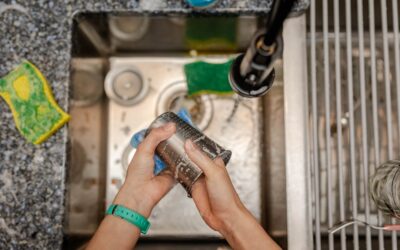
Hand dish soap is designed for manual washing, where you scrub dishes in a sink. The rich, long-lasting suds help lift grease and give you visual feedback that the soap is working. Foam is a feature, not a flaw, for handwashing.
Dishwasher detergent is designed for a machine that sprays water at high pressure and recirculates it through pumps and spray arms. Excessive foam would interfere with that mechanical action, so dishwasher detergent is deliberately low-sudsing. It relies on enzymes and other cleaning agents that break down food without producing foam. It also often includes ingredients that work with the machine’s heat and rinse cycle.
Put hand soap into that high-pressure, recirculating environment and the suds multiply explosively, filling the machine and pushing out the door.
What Actually Happens If You Use Dish Soap
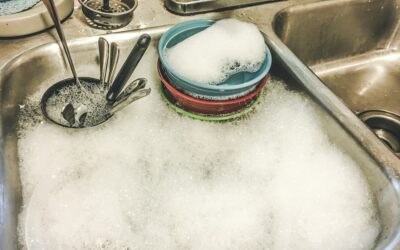
The result is dramatic and immediate. As the dishwasher sprays and recirculates water, the dish soap whips into a growing mountain of foam. Within minutes the suds fill the entire interior, then begin forcing their way out around the door seal and onto your floor. You can end up with a thick layer of bubbles spreading several feet across the kitchen. Beyond the mess, the overflow can:
- Soak into and damage wood, laminate, or vinyl flooring.
- Seep under cabinets and into subflooring.
- Leave soap residue throughout the machine that takes multiple rinses to clear.
- Potentially stress the pump and seals.
It is a memorable mess, and entirely avoidable.
What to Use Instead
When you are out of dishwasher detergent, reach for one of these proper alternatives rather than hand soap:
- Dishwasher detergent in any form, including powder, gel, or pods, is always the correct choice.
- A small amount of baking soda can help in a pinch for a lightly soiled load, though it will not deep clean.
- Baking soda combined with a tiny amount of dish soap is sometimes suggested as an emergency mix, but this still risks foaming, so it is not recommended.
- Borax is another low-foaming option some people use as an emergency substitute.
Honestly, the safest move is simply to wait until you can buy proper detergent or wash that load by hand in the sink. No emergency substitute cleans as well or as safely as the real product.
Emergency Substitute: Use With Extreme Caution
If you absolutely must run the dishwasher and have no detergent, the lowest-risk approach is to use a very small amount of baking soda and skip dish soap entirely. Some people claim that just a few drops of dish soap mixed with baking soda works, but even a small amount of true dish soap can foam unpredictably depending on your water and machine. If you ever attempt this, use the tiniest possible quantity and stay nearby to stop the machine at the first sign of excess suds. The risk usually is not worth it.
How to Clean Up a Sudsy Overflow
If you have already made the mistake and your kitchen is filling with foam, act quickly:
- Stop the cycle and turn off the dishwasher immediately to halt the recirculation that keeps making suds.
- Scoop out the foam from inside the machine with a cup or towel and discard it.
- Soak up the floor suds with towels right away to protect your flooring from water damage.
- Sprinkle salt or pour a small amount of vinegar onto remaining suds inside the machine, which helps break down the foam.
- Run short rinse cycles with no detergent, pausing to remove suds between each, until the foam is completely gone.
- Wipe down the interior and door seal to remove all soap residue before your next normal load.
It may take several rinse cycles to fully clear the soap, so be patient and keep mopping up any overflow.
Protecting Your Flooring From Dishwasher Mishaps
Because the kitchen is one of the most water-prone rooms in the house, a dishwasher overflow is a real threat to your flooring. A few precautions help:
- Address any leaks or overflows immediately to prevent water from soaking into seams and subflooring.
- Make sure your dishwasher is properly installed and sealed.
- Consider water-resistant flooring options in the kitchen for added peace of mind.
- Keep proper dishwasher detergent stocked so you are never tempted to improvise with hand soap.
Common Mistakes to Avoid
- Assuming dish soap and dishwasher detergent are interchangeable because both clean dishes.
- Adding “just a little” hand soap, which can still foam dramatically.
- Walking away from the machine after an experimental substitute.
- Ignoring an overflow and letting water sit on the floor.
- Forgetting to fully rinse out soap residue before the next load.
Final Thoughts
So, can you put dish soap in the dishwasher? No, and now you know exactly why: hand dish soap is built to foam, while dishwasher detergent is built not to, and combining the two produces a sudsy flood that can damage your machine and your floors. Keep proper detergent on hand, reach for safe alternatives like a touch of baking soda only in true emergencies, and if you ever do overflow, stop the cycle and clean up fast. A little knowledge here saves you a very soapy afternoon.