The average American household runs 8 to 10 loads of laundry per week and washes about 13,000 gallons of water through the machine every year. How well you do laundry determines how long your clothes last, how much you spend on detergent and electricity, and whether your towels smell genuinely clean or just heavily perfumed. Most adults learned laundry from one parent’s habits and have never updated the technique — usually overdosing detergent, washing too hot, and overdrying. This guide covers the full sequence, from sort pile to folded stack, with the modern best practices that have changed in the last decade.
Sort by Three Factors, Not Just Color
The traditional whites-vs-darks split is a start, but a real sort considers three factors:
- Color: whites, lights, darks, and reds. Reds bleed even after a dozen washes; segregate them.
- Fabric weight: heavy items like jeans, towels, and sweatshirts beat up lightweight tees and lingerie when tumbled together.
- Soil level: work clothes, kids’ play clothes, and athletic gear with heavy soil need a different cycle than office wear.
If you only have time for one sort, separate towels and bedding from clothing. Towels shed lint and wear knit fabrics raw within a few washes.
Water Temperature: The Modern Defaults
Detergent chemistry has changed enough that hot washes are rarely necessary. Cold water (60 to 80 degrees F) handles 90 percent of household laundry without fading dyes or shrinking cotton:
- Cold: dark colors, athletic wear, anything with elastic, washable wool, lightly soiled items.
- Warm (90 to 110 degrees F): moderately soiled cottons and synthetics, kid clothes, kitchen towels.
- Hot (130 degrees F): bedsheets every 4 to 6 weeks for dust mite control, heavily soiled work clothes, cloth diapers, items contaminated by illness.
About 90 percent of a washer’s energy goes to heating water. Switching from hot to cold cuts your laundry electricity by half on most utility tariffs.
Detergent: How Much You Actually Need
The cap on the bottle is marked optimistically. Most modern HE (high-efficiency) washers need only one to two tablespoons of liquid detergent per load — not the full cap. Overdosing leaves residue that traps odor in towels and athletic wear, and shortens machine life by clogging the drum bearing.
Pods are convenient but pre-portioned for medium loads. Cut them in half for small loads or use two for an oversized comforter. For sensitive skin, choose a fragrance-free, dye-free detergent like Tide Free & Gentle or All Free Clear. Skip fabric softener entirely on athletic wear and towels — it coats fibers and reduces moisture wicking.
Cycle Selection
Most washers offer a dozen cycles; you really need four:
- Normal: medium agitation, medium spin. Default for everyday clothes.
- Heavy Duty: aggressive agitation, fast spin. Towels, jeans, work clothes.
- Delicates / Hand Wash: gentle agitation, slow spin. Lingerie, washable wool, silk-blend tops.
- Bulky / Bedding: longer rinse cycles, slow spin to balance large items. Comforters, mattress pads.
Skip the “Quick Wash” for soiled items — it shortens both wash and rinse, leaving detergent residue. It is fine for refreshing lightly worn items.
Pre-Treating Stains
Stain treatment is more about timing than chemistry. Get to a stain within an hour and a wet paper towel works. Wait a week and you may need an enzyme cleaner. Three products handle 95 percent of household stains:
- OxiClean MaxForce spray for protein and food stains.
- Shout Advanced for oil and grease.
- Carbona Stain Devils #5 for ink and dye transfer.
Apply, wait the recommended time on the label (usually 5 to 10 minutes), then wash on the warmest temperature the fabric tolerates. Never put a stained item in the dryer — heat permanently sets most stains.
Loading the Machine Right
Top-load HE washers and front-loaders both wash better when not packed. Leave a hand’s width of space between the laundry and the top of the drum for top-loaders, and fill front-loaders to about 75 percent of drum volume. Overloading prevents proper agitation and rinsing — clothes come out with detergent streaks and are not clean.
Drying Without Wrecking Clothes
The dryer wears clothes harder than the washer. Lint is fabric fiber the dryer is destroying. Three rules to do laundry that lasts:
- Match heat to fabric: medium for cottons, low for synthetics, no heat for delicates.
- Pull clothes while slightly damp. Overdrying causes shrinkage, static, and fiber breakage.
- Clean the lint trap every load and the dryer vent annually. Clogged vents waste energy and start about 3,000 fires per year.
For air drying, a four-tier folding rack from IKEA ($30) handles three loads’ worth of delicates and athletic wear. Athletic gear especially benefits — heat damages spandex and shortens its useful life by half.
Folding and Storage
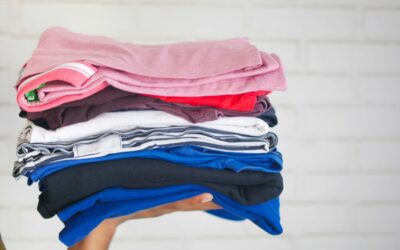
Fold or hang within 30 minutes of the dryer stopping or you will iron later. Hang anything woven (button-downs, dress pants) and fold anything knit (tees, sweaters) — the structural difference between weave and knit is why hung knits stretch out at the shoulders.
Frequently Asked Questions
How often should I wash sheets?
Every 1 to 2 weeks. More often if you sweat heavily, share the bed with pets, or have allergies.
Can I wash all my whites with bleach?
Only chlorine-bleach-safe whites: cotton tees, towels, undershirts. Skip bleach on synthetics, spandex, and any “no bleach” tagged item. Use oxygen bleach (OxiClean) as a safer everyday brightener.
What is the right detergent for hard water?
Look for a high-surfactant formula like Persil ProClean or add a water softener like Calgon. Hard water binds detergent before it hits the clothes, requiring more product to get the same result.
How do I prevent towels from smelling musty?
Wash on hot every fourth or fifth load with one cup of distilled white vinegar in the bleach dispenser. Skip fabric softener entirely on towels.
What about washing machine maintenance?
Run an empty hot wash with one cup of vinegar or a tablet like Affresh once a month. Wipe the door gasket dry on front-loaders to prevent mold.