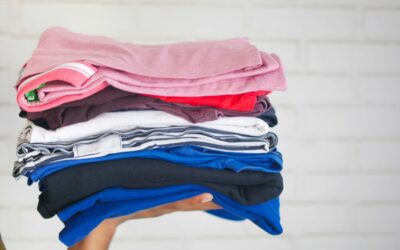
The college laundry room is a chaos engine: shared machines run by strangers, mystery detergent residues, settings labeled in coin-op acronyms, and a 35-minute spin window before someone dumps your wet clothes on a folding table. Dorm laundry done well isn’t about expensive gear; it’s about a system that survives forgetfulness, theft, and the inevitable color-bleed incident. This guide covers what to bring, how to wash without ruining anything, and how to keep the cost under control over a school year.
The Essential Dorm Laundry Kit
The kit fits in a 13-gallon bin under the bed. Skip anything you’ll only use occasionally:
- One pop-up mesh hamper from Whitmor or Simplehouseware ($12 to $25)
- A second mesh bag for delicates and bras
- Quarters or a laundry card preloaded with $30 to $50
- Detergent pods or sheets (single dose, no measuring)
- OxiClean MaxForce stain spray
- Color-catcher sheets from Shout
- Wool dryer balls (skip dryer sheets, they coat the lint trap)
- A reusable folding rack for line-drying
Total kit cost: about $60. That gets you through a full academic year without needing to borrow from a roommate.
Detergent Strategy
Pods and sheets dominate dorm life because no one measures cups of liquid detergent in a stairwell. Tide Pods at 30 cents per load clean well but leak in backpacks. Earth Breeze sheets at 17 cents per load are leak-proof and easier to carry. For heavy stains from intramural sports or cafeteria mishaps, keep one bottle of Persil ProClean liquid in the kit as backup.
Avoid scented additives like Downy Unstoppables in a dorm setting. Roommates may have fragrance sensitivities, and the smell lingers in shared HVAC systems.
Sorting in a Shared Space
Three piles is the minimum: whites, darks, and a “delicates plus colors that bleed” pile. New red shirts, dark denim, and athletic gear in saturated colors should run separately for the first two or three washes. Drop a Shout Color Catcher in any mixed-color load to grab loose dye before it sets on your white socks.
Sort in your room, not in the laundry room. Sorting at the machines invites strangers to read your underwear pile.
Reading the Dorm Machines
Most dorm laundry rooms have commercial Speed Queen, Maytag, or Whirlpool machines. They’re heavier-duty than residential units and use about half the water. Common cycle settings:
“Normal” or “Regular” at warm water for everyday loads. “Bright Colors” at cold water for anything you want to keep saturated. “Whites” at hot water for towels, sheets, and underwear (anything that gets gross). “Delicates” or “Hand Wash” at cold with slow spin for sweaters and lingerie. Skip “Heavy Duty” unless something is truly filthy; the extra spin time can over-stress nicer fabrics.
Run no more than three-quarters full. Stuffing a machine kills cleaning power because there’s no room for water and detergent to move.
Drying Without Destroying Clothes
Commercial dryers run hotter than residential models. A 45-minute cycle at high heat will shrink cotton t-shirts visibly and toast elastic in underwear bands. Use these settings:
- Towels, sheets, jeans: 40 to 50 minutes on high
- Cotton tees and underwear: 30 minutes on medium
- Athletic gear with spandex: 20 minutes on medium, then hang to finish
- Sweaters, anything wool: never machine dry, lay flat
- Bras: never machine dry, hang in room
Pop a wool dryer ball or two in every load. They reduce drying time by 15 to 25 percent, soften clothes, and don’t coat the lint trap with paraffin like sheets do.
Saving Money Over a Year
The average dorm laundry costs $1.75 to $2.50 per wash and the same per dry. That’s $3.50 to $5 per load. At two loads a week for 30 weeks, you’ll spend $210 to $300 a school year on laundry alone.
Ways to cut the bill: run full loads only, line-dry anything that doesn’t need a dryer (Honey-Can-Do clothes drying rack at $30 fits in any dorm room), wear jeans three to five times between washes, and rotate your athletic wear instead of washing every shirt after every gym visit.
Stains That Need Same-Day Treatment
Blood, coffee, red wine, and grease stains set within 24 hours. Carry a Tide To Go pen or a small bottle of OxiClean MaxForce in your backpack. Blot fresh stains with cold water immediately, never hot (heat sets protein stains permanently).
For oil and grease, work in Dawn dish soap with your fingers, let sit 15 minutes, then wash on hot. For blood, soak in cold water first, then add hydrogen peroxide directly to the stain before washing. For ink, dab with rubbing alcohol on a cotton ball, working from the outside of the stain in.
Theft and Etiquette
Set a phone timer for the cycle length. Show up within five minutes of completion. Pulling out wet clothes from the washer to make room is universally accepted dorm protocol. Pulling someone’s still-running cycle is not. Folding their clothes for them is creepy, no matter how well-intentioned.
Never leave a phone, wallet, or AirPods on a laundry room table. Dorm laundry rooms have decent theft rates because everyone walks through and most people are distracted.
Off-Campus and Long Breaks
For winter or summer breaks longer than a week, wash and dry everything before leaving. Wet or even slightly damp clothes left in a hamper for a month grow mildew that won’t wash out. If you’re flying home with dirty laundry to wash at your parents’ house, double-bag it in a contractor trash bag so the smell stays contained.
Bedding and Towels on a Schedule
Wash sheets every two weeks, pillowcases every week. Towels need washing every three to five uses. Skipping the schedule produces the recognizable college smell that no amount of Febreze covers up. Use the largest machine in the laundry room for sheets; a queen set crammed into a standard washer doesn’t get clean.
Hot water with OxiClean MaxForce eliminates the bacteria that build up in athletic gear and sheets. Bleach is overkill for most loads and damages bright colors, but a quarter cup added to a hot whites cycle once a month keeps towels and white sheets crisp.