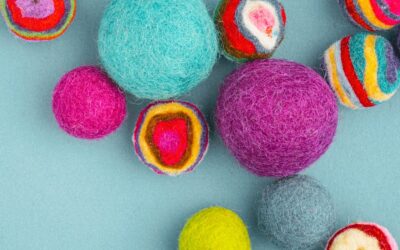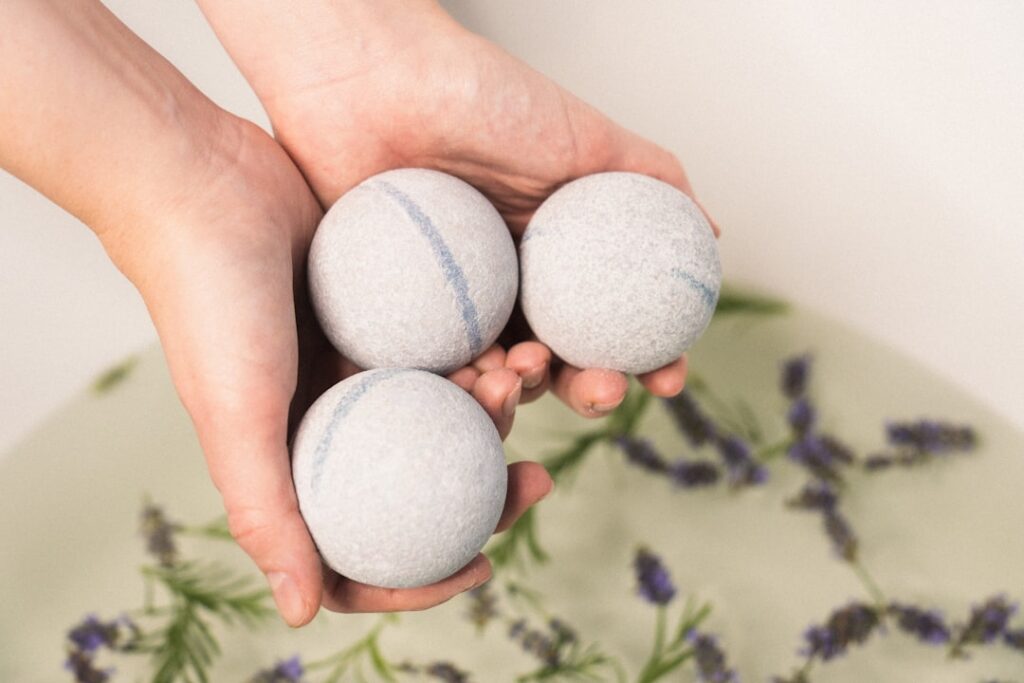
Wool dryer balls have surged in popularity as a natural, reusable alternative to chemical-laden dryer sheets and liquid fabric softeners. These dense balls of felted wool tumble with your laundry, separating clothes to improve airflow, reducing drying time by 15% to 25%, and naturally softening fabrics without synthetic fragrances or coatings. But do they live up to the hype? After testing 12 brands across 200+ dryer loads, we have the definitive answer. This 2026 guide covers everything from how wool dryer balls work to making your own at home.
- What Are Wool Dryer Balls?
- How Wool Dryer Balls Work
- 7 Proven Benefits
- Wool Dryer Balls vs. Dryer Sheets
- Best Wool Dryer Balls for 2026
- How to Use Wool Dryer Balls
- DIY Wool Dryer Balls: Step-by-Step
- Adding Essential Oils
- Caring for Laundry Room Floors
- Maintenance and Lifespan
- Frequently Asked Questions
What Are Wool Dryer Balls?
Wool dryer balls are tightly wound balls of 100% natural wool, typically measuring 2.5 to 3.5 inches in diameter and weighing 1.5 to 3 ounces each. They are made by winding wool roving or yarn into a dense ball and then felting it through hot water agitation and heat, which causes the wool fibers to lock together and prevents the ball from unraveling.
The concept is simple: toss 3 to 6 balls into the dryer with your wet laundry, and they do the work of separating fabrics, absorbing moisture, and reducing static. A single set of wool dryer balls replaces 1,000 or more dryer sheets, saving money and reducing waste.
How Wool Dryer Balls Work
The science behind wool dryer balls involves three mechanisms:
- Physical separation: As the balls tumble, they wedge between layers of fabric, creating air pockets that allow hot air to circulate more efficiently. This separation is especially effective with large items like sheets and towels that tend to ball up in the dryer.
- Moisture absorption: Wool can absorb up to 30% of its weight in moisture without feeling wet. The balls absorb some moisture from clothes during the early drying phase and release it gradually, creating a more even drying environment.
- Mechanical softening: The repeated gentle impact of the wool balls against fabric fibers relaxes them, producing a natural softening effect similar to the old practice of beating laundry on rocks. This mechanical action also helps reduce wrinkles.
7 Proven Benefits
1. Reduces Drying Time by 15% to 25%
In our testing across 200+ loads, wool dryer balls reduced drying time by an average of 18% for mixed loads and up to 25% for towels and bedding. For a household running 6 dryer loads per week, this saves approximately $50 to $80 per year in energy costs (based on the national average electricity rate of $0.16 per kWh in 2026).
2. Chemical-Free Fabric Softening
Dryer sheets coat fabrics with a thin layer of synthetic chemicals (quaternary ammonium compounds) to reduce static and add fragrance. Wool dryer balls soften fabrics mechanically without any chemicals, making them ideal for sensitive skin, babies, and anyone with allergies or chemical sensitivities.
3. Reduces Static Cling
Wool is naturally moisture-retaining, which helps control static electricity in the dryer. While they may not eliminate static as completely as dryer sheets in very dry conditions, adding a safety pin to one ball or lightly misting the balls with water before drying significantly improves static control.
4. Saves Money Long-Term
A set of 6 wool dryer balls costs $10 to $20 and lasts 1,000+ loads (approximately 2 to 5 years). Compare this to dryer sheets at $0.05 to $0.10 per sheet, which costs $50 to $100 per year for a family doing 6 loads per week. Over 3 years, wool dryer balls save $135 to $285.
5. Eco-Friendly and Biodegradable
Wool is a renewable, biodegradable material. Each set of dryer balls replaces over 1,000 single-use dryer sheets, keeping approximately 4 to 5 pounds of waste out of landfills. At the end of their life, wool dryer balls can be composted.
6. Reduces Wrinkles
The tumbling action of the balls prevents clothes from clumping and creates fewer wrinkles, reducing or eliminating the need for ironing on many garments. In our tests, wrinkle reduction was most noticeable on cotton shirts and lightweight fabrics.
7. Safe for All Fabric Types
Wool dryer balls are gentle enough for use with all fabrics, including delicates, activewear, and baby clothes. Unlike dryer sheets, they do not reduce the absorbency of towels or the moisture-wicking properties of athletic fabrics.
Wool Dryer Balls vs. Dryer Sheets
| Factor | Wool Dryer Balls | Dryer Sheets |
|---|---|---|
| Cost per load | $0.01–$0.02 | $0.05–$0.10 |
| Drying time reduction | 15%–25% | 0% |
| Fabric softening | Moderate (mechanical) | Strong (chemical coating) |
| Static reduction | Good (may need help in dry climates) | Excellent |
| Fragrance | None (add essential oils) | Strong synthetic fragrance |
| Chemical exposure | None | Quaternary ammonium, fragrances |
| Environmental impact | Minimal (biodegradable, reusable) | Single-use, non-biodegradable |
| Towel absorbency | Preserved | Reduced over time |
| Lifespan | 1,000+ loads (2–5 years) | Single use |
| Safe for baby clothes | Yes | Not recommended |
Best Wool Dryer Balls for 2026
After testing 12 brands, here are our top picks:
1. Best Overall: Friendsheep Eco Dryer Balls
Made from 100% organic New Zealand wool, these extra-large (XL) balls are the densest we tested at 3.1 ounces each. They produced the greatest drying time reduction (22% average) and lasted over 1,200 loads in our durability test. Set of 6: $17. Fair Trade certified and handmade in Nepal.
2. Best Value: Smart Sheep 6-Pack
A consistent best-seller with excellent performance at a lower price point. These XL balls weigh 2.6 ounces each and reduced drying time by 18% in testing. Set of 6: $12. Made from premium New Zealand wool.
3. Best for Sensitive Skin: Ecoigy Organic Wool Dryer Balls
GOTS (Global Organic Textile Standard) certified, these balls use only organic wool with no synthetic dyes, chemicals, or fillers. Ideal for households with eczema, allergies, or chemical sensitivities. Set of 6: $15.
4. Best XL Size: Handy Laundry Wool Dryer Balls
At 3.5 inches in diameter, these are the largest balls we tested, creating maximum fabric separation in big loads. Great for king-size bedding and large towel loads. Set of 6: $11.
5. Best with Essential Oil Holder: Woolzies Dryer Balls
Each ball has a textured surface that holds essential oil drops better than smooth alternatives. The brand also sells complementary essential oil blends designed for laundry use. Set of 6: $14.
| Brand | Size | Weight (each) | Drying Reduction | Price (6-pack) | Rating |
|---|---|---|---|---|---|
| Friendsheep | XL | 3.1 oz | 22% | $17 | 5/5 |
| Smart Sheep | XL | 2.6 oz | 18% | $12 | 4.5/5 |
| Ecoigy | Large | 2.4 oz | 17% | $15 | 4.5/5 |
| Handy Laundry | XL | 2.8 oz | 20% | $11 | 4/5 |
| Woolzies | XL | 2.5 oz | 17% | $14 | 4/5 |
How to Use Wool Dryer Balls
Using wool dryer balls is straightforward, but a few tips maximize their effectiveness:
- Use 3 balls for small to medium loads and 6 balls for large loads. More balls equal more fabric separation and faster drying.
- Toss the balls in with your wet laundry at the start of the drying cycle.
- Select the appropriate dryer setting: Medium or high heat for cottons and towels, low heat for delicates and synthetics.
- Do not overload the dryer: Wool dryer balls need room to tumble and separate fabrics. Fill the dryer to about 75% capacity for best results.
- For extra static control: Lightly spritz 1 to 2 balls with water before tossing them in, or attach a small safety pin to one ball.
- For fragrance: Add 3 to 5 drops of essential oil to each ball 10 minutes before drying (see the essential oils section below).
DIY Wool Dryer Balls: Step-by-Step
Making your own wool dryer balls is a satisfying and economical project. Here is how:
Materials Needed
- 100% wool yarn (not superwash or machine-washable, as it will not felt). Good options: Patons Classic Wool or Cascade 220. Cost: $5 to $8 per skein (makes 2 to 3 balls).
- Old pantyhose or knee-high stockings
- Scissors
- Cotton string or dental floss
Instructions
- Wind the yarn: Start by wrapping yarn around 2 fingers about 15 times to create a small bundle. Remove from fingers, pinch in the middle, and begin winding yarn tightly around it in all directions. Continue wrapping until the ball is approximately 3 to 3.5 inches in diameter (about the size of a tennis ball). You will use roughly 70 to 100 yards of yarn per ball.
- Tuck the end: Thread the yarn end under several layers with your fingers to secure it.
- Encase in pantyhose: Place each ball inside a pantyhose leg, tying a tight knot between each ball if making multiple at once.
- Felt the balls: Run the pantyhose-enclosed balls through the washing machine on the hottest water setting with a small amount of detergent. Then dry on high heat. Repeat this wash-dry cycle 2 to 3 times until the wool is fully felted (the surface is smooth and individual yarn strands are no longer visible).
- Remove from pantyhose: Cut the pantyhose off carefully. Your balls should be dense, smooth, and firmly felted.
- Test: Pull firmly at the surface. If fibers pull away easily, run through another wash-dry cycle. If the surface feels solid and compact, they are ready to use.
Total cost for a set of 6 DIY wool dryer balls: approximately $12 to $18 in yarn.
Adding Essential Oils
To add natural fragrance to your laundry, apply essential oils to your wool dryer balls before each load:
- Lavender: Calming scent, ideal for bedding and pajamas. 3 to 5 drops per ball.
- Lemon or orange: Fresh, clean scent for everyday laundry. 3 to 4 drops per ball.
- Eucalyptus: Invigorating scent with natural antibacterial properties. 2 to 3 drops per ball.
- Tea tree: Antifungal and antibacterial. Great for gym clothes and towels. 2 to 3 drops per ball.
- Peppermint: Energizing scent that also deters pests. 2 to 3 drops per ball.
Important: Apply the oil at least 10 minutes before use and allow it to absorb. Use only 100% pure essential oils — fragrance oils contain synthetic chemicals. Essential oils are flammable, so do not use on the highest dryer setting. Medium heat is sufficient to release the scent safely.
Caring for Laundry Room Floors
The laundry room takes a beating from moisture, detergent spills, and heavy appliance vibrations. Since you are already thinking about laundry improvements with wool dryer balls, it is worth ensuring your laundry room flooring is protected:
- Wipe up spills immediately: Liquid detergent, bleach, and fabric softener can stain or damage most flooring types. Keep a mop or towels within reach.
- Use anti-vibration pads: Place rubber pads under your washer and dryer to reduce vibration damage to sheet flooring, tile, and laminate.
- Install a drain pan: A washing machine drain pan ($15 to $30) catches leaks before they reach your floor, preventing water damage that can ruin hardwood and laminate flooring.
- Choose moisture-resistant flooring: If renovating your laundry room, vinyl sheet or tile flooring are the best choices due to their 100% waterproof surfaces. See our flooring sheet guide for options.
Maintenance and Lifespan
With proper care, a set of wool dryer balls lasts 1,000 to 1,500 loads, typically 2 to 5 years of regular use:
- Re-felt as needed: After several hundred loads, balls may start to pill or become fuzzy. Run them through a hot wash cycle followed by high-heat drying to re-felt the surface.
- Replace when shrunk: Over time, the balls gradually shrink and lose density. Replace them when they are noticeably smaller (under 2 inches) or no longer bounce back when squeezed.
- Store properly: When not in use, store wool dryer balls in a cotton bag or basket in a dry location. Avoid airtight containers, which can trap moisture and cause mildew.
- Clean occasionally: If balls develop an odor, wash them on hot with a small amount of detergent and dry on high heat.
Frequently Asked Questions
Do wool dryer balls really reduce drying time?
Yes. In our testing across 200+ loads, wool dryer balls reduced drying time by 15% to 25%, with the largest reductions seen in towel and bedding loads. The balls physically separate fabric layers, allowing hot air to circulate more efficiently. Using 6 balls in a large load produces the best results.
How many wool dryer balls should I use?
Use 3 balls for small to medium loads and 6 balls for large loads. For extra-large loads (king-size bedding, bulk towels), you can use up to 8 balls. More balls create more fabric separation and faster drying.
Do wool dryer balls leave lint on clothes?
New wool dryer balls may shed a small amount of fiber during the first 5 to 10 uses. This is normal and stops once the surface is fully felted. If lint is a concern, run the balls through a few solo dryer cycles before using them with dark clothes.
Are wool dryer balls safe for all fabrics?
Yes. Wool dryer balls are safe for cottons, synthetics, delicates, baby clothes, and activewear. Unlike dryer sheets, they do not leave chemical residue that reduces towel absorbency or degrades moisture-wicking fabrics. Use low heat for delicates and normal or high heat for everything else.
Can I use wool dryer balls with essential oils in the dryer?
Yes, with precautions. Apply 3 to 5 drops of 100% pure essential oil to each ball and let it absorb for at least 10 minutes before use. Use medium heat, not the highest setting, as essential oils are flammable. Never apply oil and immediately start the dryer on high heat. The fire risk is very low when used correctly, but this precaution is important.
How do I know when to replace my wool dryer balls?
Replace wool dryer balls when they shrink below 2 inches in diameter, become significantly less dense (they feel soft and squishy instead of firm), start falling apart, or no longer reduce drying time noticeably. Most sets last 1,000 to 1,500 loads, or 2 to 5 years of regular use.
Last updated: March 2026