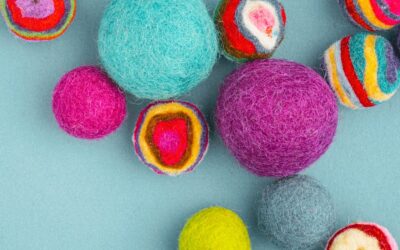
The fuzzy spheres rolling around your neighbor’s dryer load are one of the simplest laundry upgrades available. Lint balls for dryer use — more often called dryer balls — cut drying time by 15-25%, soften clothes without chemical fabric softener, and replace single-use dryer sheets entirely. The savings add up to roughly $50-$100 per year for the average family while reducing static and shedding lint less prone to clogging the lint trap.
This guide explains what dryer balls do, the differences between wool, silicone, and plastic types, and which products actually deliver the promised benefits.
What Dryer Balls Actually Do
The science is simpler than the marketing suggests. Dryer balls perform three functions during a drying cycle:
- Mechanical separation: Bouncing between fabric layers, balls keep clothes from clumping into wet wads
- Increased airflow: Better separation lets hot air circulate through the load faster
- Friction softening: Repeated tumbling against fabric softens the surface texture
The result is faster drying, fluffier results, and less static — without any chemicals coating the fibers.
Pros of Using Dryer Balls
Verified benefits in side-by-side testing:
- Faster drying: 15-25% reduction in cycle time on heavy loads
- Energy savings: $40-$70/year on electric bills, more on gas dryers
- No chemicals: Safe for sensitive skin, baby clothes, and athletic wear
- Reusable: 1,000+ loads per ball, multi-year lifespan
- No fabric coating: Maintains absorbency of towels and athletic wear
- Lower lint production: Smoother fabric surface produces less shedding
- Safer for septic systems: No fabric softener residue clogging drain fields
For families running 6+ loads per week, the time savings alone reclaim 30-60 minutes weekly.
Cons Worth Noting
Honest tradeoffs versus dryer sheets and liquid softeners:
- No added scent unless you apply essential oils
- Some loads (delicates, small items) tangle with balls
- Wool balls can shed fibers onto dark clothes early in their life
- Silicone and plastic balls add audible thumping noise
- Static reduction is less complete than with dryer sheets
- Initial investment of $15-$30 for a quality 6-pack
The noise complaint is the most common reason people abandon dryer balls. Wool balls are quietest; silicone and plastic balls thump like shoes in the dryer.
Wool vs Silicone vs Plastic Comparison
Three material types dominate the market, each with distinct characteristics.
Wool Dryer Balls
Made from compressed felted wool yarn, typically 100% New Zealand wool. The market favorite.
- Pros: quietest operation, longest lifespan, naturally absorbent (helps drying)
- Cons: shed fibers initially, can pick up dark lint from new dark clothes
- Lifespan: 1,000+ loads (3-5 years typical)
- Price: $12-$25 for a 6-pack
Silicone Dryer Balls
Soft rubber balls with raised nubs that grip fabric.
- Pros: extreme durability, no shedding, easy to clean
- Cons: louder than wool, no absorbency benefit
- Lifespan: 5,000+ loads (5-10 years)
- Price: $10-$18 for a 4-pack
Plastic Dryer Balls
The original spiky design from the 1970s, still sold widely.
- Pros: cheapest option, durable
- Cons: loudest, can damage delicate fabric, melt at high heat settings
- Lifespan: 5+ years
- Price: $8-$15 for a 4-pack
Best Dryer Balls for 2026
Top-rated products by category:
- Smart Sheep Wool Dryer Balls: $20 for 6-pack, the established market leader
- Friendsheep Eco Dryer Balls: $24 for 6-pack, ethically sourced wool
- Woolzies Premium Wool Dryer Balls: $28 for 6-pack, larger XL size
- Whitmor Reusable Dryer Balls: $10 for 4-pack, plastic budget option
- Tuel Premium Silicone Dryer Balls: $15 for 4-pack, quietest silicone
For the best balance of performance and lifespan, Smart Sheep wool dryer balls remain the top recommendation across major review sites.
How Many Dryer Balls You Need
Quantity matters more than most users realize. Use ball counts based on load size:
- Small loads (under 5 lbs): 3 balls
- Medium loads (5-10 lbs): 4-5 balls
- Large loads (10-20 lbs): 6 balls
- Extra-large loads (over 20 lbs): 8+ balls
Too few balls produce minimal benefit. Six balls is the right count for typical family loads in standard 7-cubic-foot dryers.
Adding Scent with Essential Oils
Dryer balls accept essential oils naturally. The standard process:
- Apply 3-5 drops of essential oil per ball
- Let oils absorb for at least 1 hour before drying
- Refresh every 4-6 loads
Popular scents include lavender for sleep clothes, eucalyptus for athletic wear, and lemon for general use. Avoid synthetic fragrance oils which can cause skin irritation and stain delicate fabric.
Caring for Dryer Balls Long Term
Maintenance steps that extend useful life:
- Run wool balls through a wash cycle every 30 loads to refresh shape
- Tumble dry wool balls on hot to re-tighten compression
- Replace wool balls when they begin to unravel (typically year 4-5)
- Wash silicone balls with warm soapy water monthly to remove buildup
- Inspect plastic balls for cracks; replace if any sharp edges develop
The wash-and-dry refresh ritual extends wool ball lifespan by an extra 1-2 years compared to no maintenance.
Reducing Static Without Dryer Sheets
Static is the most common complaint when switching from dryer sheets. Solutions that work:
- Avoid over-drying loads — pull out at 90% dry, finish on a rack
- Add a small ball of aluminum foil (3-inch ball) for extra static reduction
- Reduce load size to allow proper tumbling
- Use a wool dryer ball spritzed with water for last 5 minutes of cycle
- Install a humidifier in laundry room during winter months
The aluminum foil trick is the underrated tip — it discharges static electricity continuously through the cycle.
Frequently Asked Questions
How long do wool dryer balls last?
Quality wool balls last 1,000+ loads, typically 3-5 years for a family of four running 6-8 loads weekly.
Will dryer balls damage my dryer?
No. The balls are softer than the metal drum and lint trap components. They cause no wear to dryer mechanisms.
Can I use dryer balls with cloth diapers?
Yes. Wool dryer balls are ideal for cloth diapers because they avoid chemical residues that reduce absorbency.
Do dryer balls really save energy?
Yes. Multiple independent tests show 15-25% reductions in drying time, translating to $40-$70 per year in electricity savings for typical households.