If you are tired of stiff towels, long drying cycles, and spending money on single-use dryer sheets, dryer balls are the solution. These simple laundry accessories tumble between your clothes in the dryer, separating fabrics, improving airflow, and cutting drying time by up to 25%. In this 2026 guide, we cover everything you need to know — from wool versus plastic options to exactly how many balls you need per load.
What Are Dryer Balls?
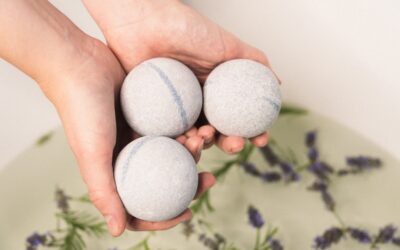
Dryer balls are fist-sized spheres — typically made from tightly compressed wool or molded plastic — designed to tumble freely among your clothes in the dryer. They physically separate fabric layers during the tumble cycle, which improves hot air circulation and reduces drying time. Most dryer balls are between 2.5 and 3.5 inches in diameter and weigh 1.5–3 ounces each.
The concept is not new (tennis balls have been used as makeshift dryer balls for decades), but purpose-built dryer balls are quieter, more effective, and free from the chemical off-gassing that can come from heated rubber. They have surged in popularity as consumers seek reusable, eco-friendly alternatives to disposable dryer sheets and liquid fabric softeners.
How Dryer Balls Work
The science behind dryer balls is straightforward. As your dryer tumbles, the balls bounce between layers of fabric and create pockets of space. This separation allows heated air to flow more efficiently through the load, which accomplishes three things:
- Faster drying: Better airflow means moisture evaporates more quickly. Studies show a 15–25% reduction in drying time for medium-sized loads.
- Reduced static: Wool dryer balls absorb moisture from the load, maintaining a slightly humid environment that minimizes static electricity buildup.
- Softer fabrics: The gentle physical agitation of the balls against fabric fibers acts like a natural fabric softener, breaking up stiffness without chemical coatings.
Wool dryer balls also absorb a small amount of water from wet clothes at the start of the cycle and release it gradually, which helps regulate the humidity level inside the drum and prevents over-drying.
Wool vs. Plastic Dryer Balls
The two main types of dryer balls each have distinct advantages. Here is a detailed comparison to help you choose:
| Feature | Wool Dryer Balls | Plastic Dryer Balls |
|---|---|---|
| Material | 100% New Zealand wool (most common) | BPA-free plastic with nubs |
| Noise Level | Quiet — soft thudding | Louder — clicking/rattling |
| Static Reduction | Excellent (absorbs moisture) | Moderate (no absorption) |
| Fabric Softening | Very good | Good |
| Essential Oil Compatible | Yes (absorbs oils) | No (oil runs off) |
| Lifespan | 1,000+ loads (2–4 years) | 2,000+ loads (4–6 years) |
| Eco-Friendly | Biodegradable, compostable | Recyclable but not biodegradable |
| Average Cost (6-pack) | $10–$18 | $8–$14 |
| Hypoallergenic | Yes (lanolin-free options available) | Yes |
Our recommendation: Wool dryer balls are the better choice for most households. They are quieter, better at reducing static, compatible with essential oils for natural scenting, and fully biodegradable at end of life.
7 Benefits of Using Dryer Balls
- Cut drying time by 15–25%. For the average American household running 300 dryer loads per year, this translates to roughly $35–$85 in annual energy savings depending on your utility rates.
- Eliminate dryer sheet waste. A single set of 6 wool dryer balls replaces approximately 1,000–1,500 disposable dryer sheets, keeping 3–4 pounds of waste out of landfills.
- Chemical-free softening. Dryer sheets coat fabrics with quaternary ammonium compounds and synthetic fragrances. Dryer balls achieve softness through mechanical action alone.
- Reduce wrinkles. The separation between fabric layers during tumbling means fewer deep-set wrinkles when the cycle ends.
- Safe for sensitive skin. With no chemical residue left on fabrics, dryer balls are ideal for babies, allergy sufferers, and anyone with skin sensitivities.
- Extend clothing lifespan. Shorter drying times mean less heat exposure, which reduces fiber degradation. This is especially important for polyester and other synthetics that are heat-sensitive.
- Customizable scent. Add 3–5 drops of your favorite essential oil to wool balls for a natural, chemical-free fragrance.
How Many Dryer Balls Should You Use?
The number of dryer balls you need depends on your load size. Using too few reduces effectiveness; using too many wastes money without additional benefit.
| Load Size | Weight | Recommended Dryer Balls |
|---|---|---|
| Small (quarter load) | 3–5 lbs | 3 balls |
| Medium (half load) | 5–8 lbs | 4–5 balls |
| Large (full load) | 8–12 lbs | 6 balls |
| Extra large (towels/bedding) | 12–16 lbs | 8–10 balls |
For bulky items like comforters and duvets, consider using 8–10 dryer balls. The extra balls help penetrate thick fabric layers and can cut the drying time of a king-size comforter from 90 minutes down to 60–70 minutes.
Using Essential Oils with Dryer Balls
One of the biggest advantages of wool dryer balls is the ability to add natural fragrance. Here is how to do it properly:
- Choose a high-quality, 100% pure essential oil. Popular options include lavender, lemon, eucalyptus, and peppermint.
- Apply 3–5 drops directly onto 2–3 wool dryer balls.
- Allow the oil to absorb for 5–10 minutes before placing the balls in the dryer.
- Run your dryer on a low or medium heat setting. High heat can degrade essential oil compounds and reduce the scent.
Safety note: Essential oils are flammable in concentrated amounts. Never soak dryer balls in oil or apply more than 5 drops per ball. The small quantities used for scenting are safe when absorbed into wool fibers.
How Long Do Dryer Balls Last?
Wool dryer balls typically last 1,000–1,500 loads, which translates to 2–5 years for most households. You will know it is time to replace them when:
- They start to visibly unravel or shed significant amounts of fiber.
- They have shrunk to less than 2 inches in diameter.
- They no longer feel firm when squeezed.
- You notice increased drying times that cannot be attributed to other factors.
To extend the lifespan of your wool dryer balls, periodically “recharge” them by running them through a hot wash cycle inside a sock tied at the top, then drying on high. This re-felts the wool and tightens the ball structure.
Pro Tips for Best Results
- Do not overload the dryer. Dryer balls need room to bounce. Fill the drum no more than 75% full.
- Use with lower heat settings. Since dryer balls reduce drying time, you can afford to use medium heat instead of high — saving energy and protecting fabrics.
- Toss them in with everything. Dryer balls are safe for all fabric types, including delicates on a low-heat tumble.
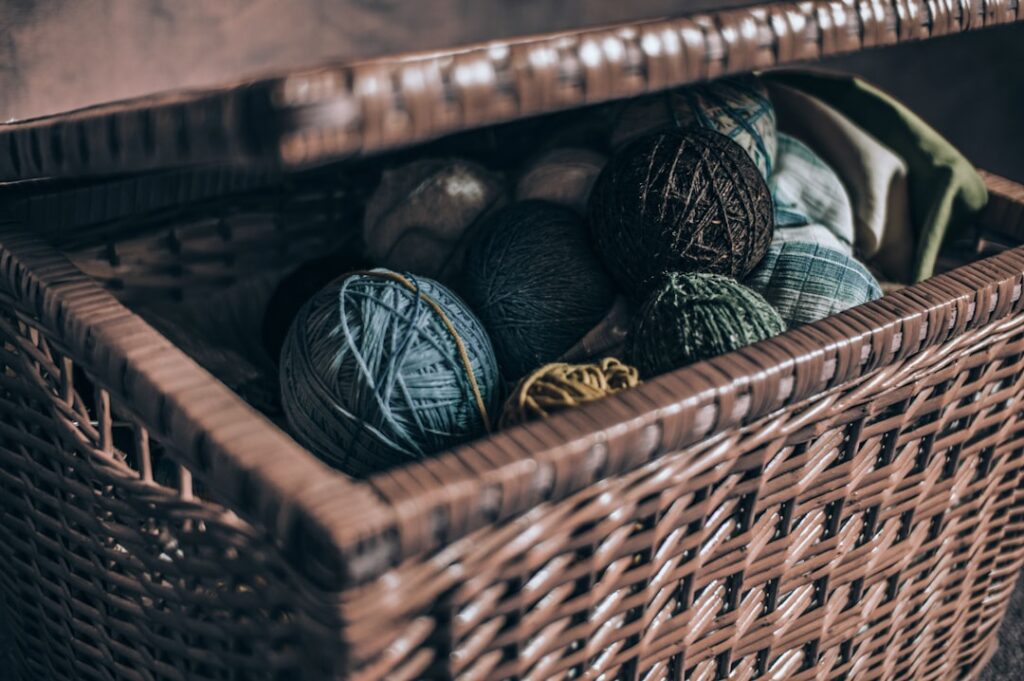
- Store in a breathable container. Between uses, keep wool balls in a cotton bag or open basket to prevent moisture buildup and potential mildew.
- Combine with proper washing habits. Dryer balls work best when clothes are properly washed first. Check out our fabric shaver guide for keeping garments in top condition.
Frequently Asked Questions
Do dryer balls actually work?
Yes. Independent testing consistently shows that dryer balls reduce drying time by 15–25% and produce measurably softer fabrics compared to drying without them. They are most effective with medium to large loads where fabric separation makes the biggest difference.
Are dryer balls better than dryer sheets?
For most people, yes. Dryer balls are reusable (saving $40–$80 per year in sheet costs), chemical-free, and equally effective at softening. The only advantage dryer sheets hold is stronger, longer-lasting synthetic fragrance — which many people prefer to avoid.
Can dryer balls damage clothes?
No. Dryer balls are too soft and light to damage fabrics. Wool balls weigh about 2–3 ounces each and compress on impact. They are gentler on clothes than the tumbling action of the dryer itself.
Do dryer balls help with pet hair?
Yes. The tumbling action of dryer balls helps loosen and separate pet hair from fabric, allowing it to be captured by the dryer’s lint filter. For heavy pet hair, use 6–8 balls and clean the lint filter mid-cycle.
Why are my dryer balls making noise?
Some thumping is normal and indicates the balls are working. Plastic dryer balls are louder than wool. If the noise bothers you, switch to wool dryer balls, which produce a softer, quieter sound during tumbling.
Can I use dryer balls with a heat pump dryer?
Absolutely. Dryer balls are safe and effective in all dryer types, including heat pump, condenser, and vented models. In heat pump dryers, which operate at lower temperatures, dryer balls are especially helpful for reducing the longer cycle times.
Last updated: March 2026