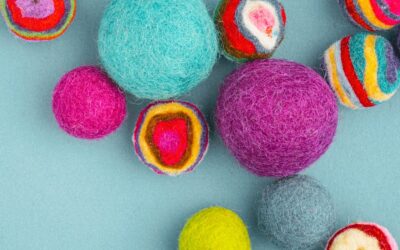
Toss three wool balls in the dryer and you would expect your laundry to come out exactly like it did with a fabric-softener sheet, but the two products do genuinely different jobs. So do dryer balls replace dryer sheets? Mostly yes for softening and drying speed, but not entirely when it comes to eliminating static cling. Dryer balls work by physical action, bouncing between clothes to separate fabrics and let hot air move through. Dryer sheets work chemically, coating fibers with a softening, anti-static film. Understanding that split tells you whether you can ditch the box of sheets for good.
- What Each Product Actually Does
- Wool vs Plastic Dryer Balls
- Static: Where Dryer Balls Fall Short
- Softening and Drying Time
- Essential Oils and Fragrance
- Pros and Cons
- Cost and Lifespan Over Time
- How Dryer Balls Reduce Wrinkles and Save Money on Energy
- Who Should Keep Using Dryer Sheets
- Common Mistakes
- Frequently Asked Questions
What Each Product Actually Does
Dryer sheets are thin nonwoven sheets coated with fabric softeners and a lubricating agent. In the heat of the dryer, that coating melts and transfers onto your clothes, softening the hand feel and neutralizing the static charge that builds as fabrics tumble. They also leave a fragrance behind.
Dryer balls, by contrast, do no coating at all. They tumble through the load, lift and separate wet fabrics, and create small air channels so heat circulates more evenly. This mechanical action softens clothes by relaxing fibers and can cut drying time. Because there is no chemical film involved, they attack the softening problem from a completely different direction.
Wool vs Plastic Dryer Balls
Not all dryer balls are equal, and the material matters more than most shoppers realize.
- Wool dryer balls: made from tightly compressed felted wool, usually tennis-ball sized. They absorb a little moisture, run quieter, hold essential oils well, and last for roughly 1,000 loads. A set of six costs about $10 to $20.
- Plastic or rubber dryer balls: spiky molded balls, often PVC or silicone. They are cheaper, around $6 to $12 for a pack, but they can be noisy, may off-gas an odor when heated, and do not absorb moisture, so they do less to shorten drying time.
For most homes, wool is the better buy. It is quieter, more durable, safer at high heat, and better at the tasks people actually want from dryer balls.
Static: Where Dryer Balls Fall Short
This is the honest weak point. Dryer sheets are excellent at stopping static because their coating is specifically an anti-static agent. Wool dryer balls help reduce static by keeping fabrics separated and by holding a bit of humidity in the load, but they do not eliminate it, especially in dry winter air or with synthetic fabrics like fleece and polyester.
If static cling drives you crazy, a few tricks help: pull the load out while it is still slightly damp rather than over-drying it, lower the heat setting, and add a safety pin or a small ball of aluminum foil to help discharge static. Even so, if you run a lot of synthetics, you may still want the occasional sheet.
Softening and Drying Time
On softening, dryer balls do a respectable job. The constant fluffing keeps towels and cottons from matting down, and many people find their laundry comes out just as soft as it did with sheets, minus the waxy residue that sheets can leave on towels over time. That residue is a real drawback of sheets: it slowly reduces the absorbency of towels and can clog the moisture sensor in your dryer.
On drying time, dryer balls have a measurable edge. By separating fabrics and improving airflow, a set of three to six wool balls can trim drying time by roughly 10 to 25 percent on a typical load. Over a year of laundry, that adds up to real energy savings that dryer sheets simply cannot offer.
Essential Oils and Fragrance
One reason people love dryer sheets is scent. Dryer balls come out of the box unscented, which many people prefer, but you can add fragrance yourself. Put two to four drops of an essential oil like lavender or lemon on each wool ball, let it dry for a few minutes, then run the load. Wool holds the oil far better than plastic. Use oils sparingly and never apply them right before a high-heat cycle onto damp balls, since concentrated oils are flammable in rare cases. Refresh the scent every few loads as needed.
Pros and Cons
Dryer balls
- Pros: reusable for years, cut drying time, no chemical residue, fragrance-free option, cheaper per load, better for sensitive skin.
- Cons: less effective on static, can be noisy (plastic types), do not add softening chemicals, scent must be reapplied.
Dryer sheets
- Pros: strong anti-static, consistent softening, lasting fragrance, extremely simple to use.
- Cons: single-use waste, ongoing cost, waxy buildup on towels and sensors, added chemicals and fragrance that can irritate sensitive skin.
Cost and Lifespan Over Time
Cost is a clear win for dryer balls. A $15 set of six wool balls lasts around 1,000 loads, which works out to well under two cents per load. Dryer sheets cost roughly five to ten cents per load and never stop being an expense because you buy them again and again. For a family running eight loads a week, dryer balls can save $30 to $50 a year on sheets plus additional savings from shorter drying cycles. When a wool ball starts to unravel or shed after a few years, it is time to replace it.
How Dryer Balls Reduce Wrinkles and Save Money on Energy
Beyond softening, the constant tumbling action of dryer balls helps knock wrinkles out of shirts, sheets, and pillowcases as they dry, which can mean less time at the ironing board. Pull items out promptly and fold or hang them while warm for the smoothest result. Because the balls also shorten each cycle, they trim wear on your dryer’s heating element and reduce the total heat your clothes endure, which is gentler on elastic waistbands and printed graphics over time.
The energy angle is worth spelling out. A typical electric dryer costs roughly 30 to 50 cents in electricity per load. If wool balls cut a 50-minute cycle down by even 8 to 10 minutes, that is a meaningful reduction repeated hundreds of times a year. Combine the sheet savings, the cycle savings, and the multi-year lifespan of the balls themselves, and a single $15 set can pay for itself several times over within the first year of steady use.
Who Should Keep Using Dryer Sheets
Dryer balls are not for everyone. Keep dryer sheets, or use both, if you dry mostly synthetic clothing that clings badly, if you strongly want a long-lasting fragrance, or if you find dryer balls do not tame static in your dry climate. Some people run a set of wool balls for towels and cottons and drop in a single sheet only for loads of fleece and sportswear. That hybrid approach captures most of the savings while solving the static problem on the loads that need it.
Common Mistakes
The biggest mistake is using too few balls. One or two barely help; you want at least three for a medium load and five or six for a large one. Another is over-drying, which reverses the static benefit and wastes energy. People also assume all balls are safe at high heat, but cheap plastic ones can melt or smell; stick with wool for hot cycles. Finally, do not drown wool balls in essential oil, since heavy oil can stain light fabrics and, in concentrated form, poses a slight fire risk.
Frequently Asked Questions
Can I use dryer balls and dryer sheets together?
Yes. Many people run wool balls every load for softening and faster drying, then add a single sheet only when a load is heavy on static-prone synthetics. There is no harm in combining them.
How many dryer balls should I use per load?
Use three for a small or medium load and five to six for a large or bulky load. More balls mean better fabric separation, more softening, and shorter drying time.
Do wool dryer balls really shorten drying time?
They do. By separating fabrics and improving hot-air circulation, a full set of wool balls typically cuts drying time by about 10 to 25 percent, which lowers energy use over the long run.
Are dryer balls better for sensitive skin?
Generally yes, because they add no fragrance, dyes, or softening chemicals to your laundry. People with eczema or fragrance sensitivities often switch to unscented wool balls to avoid the residues left behind by dryer sheets.