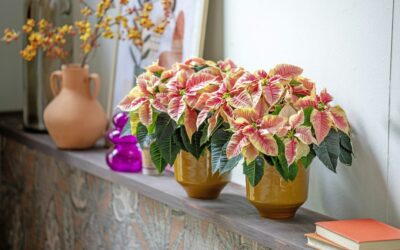
Every December, millions of poinsettias get tucked into dim corners as decoration, then fade and drop leaves within weeks. So do poinsettias need sunlight? Yes, they absolutely do. Poinsettias are tropical plants that crave bright, indirect light for at least six hours a day, and the most common reason they decline indoors is simply not enough light. Get the lighting right, along with proper watering and temperature, and your plant can stay vibrant well past the holidays. Here is how to keep it thriving.
How Much Light Poinsettias Need
Poinsettias originate from the warm, sunny regions of Mexico and Central America, so they are sun-loving by nature. Indoors, they do best with at least six hours of bright, indirect light each day. A spot near a south, east, or west-facing window is ideal.
The key word is indirect. While they need plenty of light, harsh direct sun streaming through glass, especially in a hot window, can scorch the colorful bracts and dry the plant out fast. Bright but filtered light is the sweet spot.
The Best Placement Indoors
Position your poinsettia where it gets steady daylight but avoid two extremes: deep shade and blasting heat or cold.
- Good: a few feet from a sunny window with sheer curtains, or directly in an east-facing window
- Avoid: dark corners, mantels far from windows, and tabletops with no daylight
- Avoid: touching cold window glass, drafty doors, and direct heat from vents, radiators, or fireplaces
If the leaves on the side facing away from the window start dropping, that is a clear signal the plant wants more light. Rotate it every few days so all sides get even exposure.
Ideal Temperature
Light and temperature go hand in hand for poinsettias. They prefer daytime temperatures of about 65 to 70 degrees Fahrenheit and slightly cooler nights, around 60 to 65 degrees. Keep them away from cold drafts and sudden temperature swings, which cause leaf drop. Temperatures below 50 degrees can damage the plant, so move it away from chilly windowsills at night.
Watering Without Killing It
More poinsettias die from overwatering than from any other cause. The roots rot if they sit in soggy soil. Check the top inch of soil with your finger and water only when it feels dry to the touch.
When you water, do it thoroughly until water drains from the bottom, then empty the saucer or remove the decorative foil sleeve so the pot is not standing in water. That foil wrap traps drainage and quietly drowns the roots, so poke holes in it or take it off entirely. Wilting can mean either too little or too much water, so always check the soil before adding more.
The Darkness Trick to Make It Rebloom
Here is the surprising part. While poinsettias need bright light to grow, they need extended darkness to turn their bracts red again. The colorful bracts only develop their color in response to long nights, a process called photoperiodism.
To rebloom for the next holiday season, starting in early fall, give the plant total darkness for about 14 hours every night, such as placing it in a dark closet or covering it with a box from evening until morning, for roughly eight to ten weeks. During the day, return it to bright indirect light. Any light during those dark hours, even a lamp or streetlight, disrupts the process. Once the bracts color up, resume normal bright-light care.
The Toxicity Myth
Poinsettias have a long-standing reputation as deadly to pets and children, but that is largely a myth. They are only mildly toxic. The milky sap can cause mild irritation, such as an upset stomach, drooling, or vomiting if eaten, and skin or eye irritation on contact, but they are not the dangerous poison folklore suggests.
Still, it is sensible to keep them out of reach of curious pets and small children, and to wash your hands after handling broken stems, since the sap can irritate sensitive skin. If a pet or child consumes a significant amount, contact your veterinarian or poison control to be safe.
Signs Your Poinsettia Needs More Light
Your plant will tell you when the light is wrong if you know what to watch for. Leaves dropping from the side facing away from the window, leggy stretched stems reaching toward the light, and faded or yellowing lower leaves all point to insufficient brightness. Bracts that lose their vivid color faster than expected are another clue. If you spot these, move the plant closer to a bright window and rotate it regularly. Conversely, scorched or crispy edges on the bracts signal too much harsh direct sun, so pull it back from a hot window or add a sheer curtain.
Common Care Mistakes
- Too little light: the number one reason for leaf drop and fading
- Overwatering: soggy roots from a foil-wrapped pot
- Cold exposure: chilly drafts and freezing car rides home from the store
- Heat sources: placing the plant near a vent or fireplace, which dries it out
Humidity and Air Quality
Light is the headline, but humidity matters too. Poinsettias come from humid tropical regions, and dry winter indoor air, especially from forced-air heating, can cause leaf curl and drop. Boost humidity by setting the pot on a tray of pebbles with a little water below the pot base, or by grouping it with other plants. Keep it away from heat vents that blast dry air directly at the foliage. A room that feels comfortable to you, with moderate humidity, suits the plant well.
Fertilizing Through the Seasons
While in full color over the holidays, a poinsettia does not need feeding. Once the blooming period ends and you keep the plant for the year, begin fertilizing in late winter or spring as new growth appears, using a balanced houseplant fertilizer about once a month during active growth. Stop feeding during the dark-treatment period in fall when you are forcing it to color up. Proper feeding during the growing season builds a strong plant that reblooms more reliably.
Final Thoughts
So yes, poinsettias need sunlight, specifically six or more hours of bright, indirect light each day, paired with comfortable temperatures and careful watering. Skip the dark corners, ditch the water-trapping foil, and keep the plant away from drafts and heat. If you want it to turn red again next year, give it long nights of total darkness in the fall. Treat it like the tropical plant it is, and your poinsettia will reward you with weeks, even months, of color.