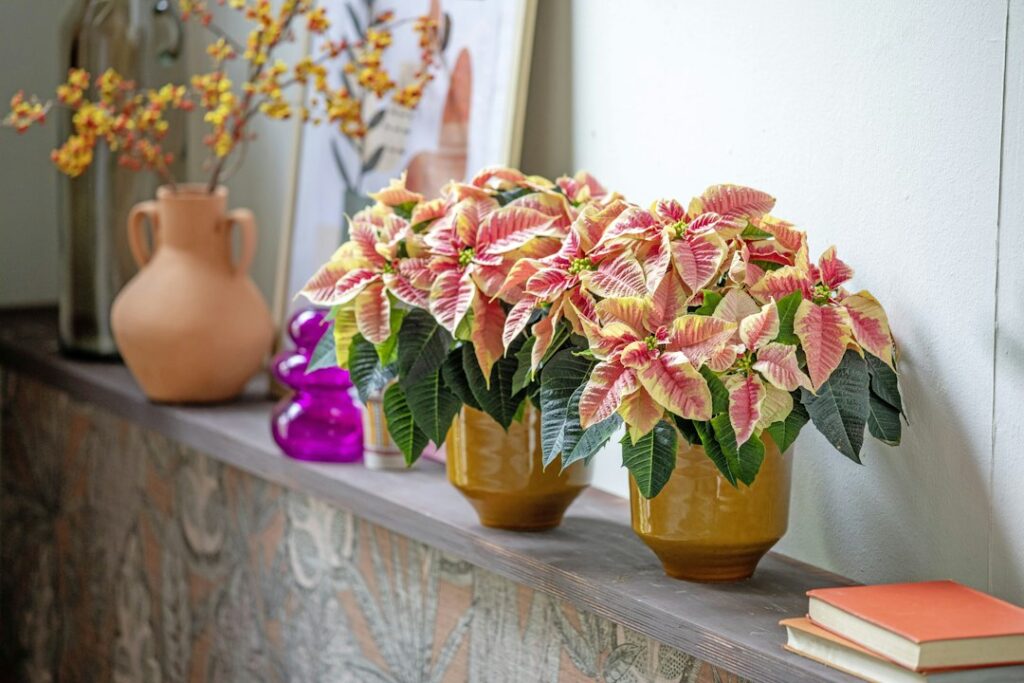
Most poinsettias end up in the trash by mid-January, but they do not have to. With the right routine, the same plant can bloom for two to three months and even rebloom the following year. Knowing how to care for poinsettias indoors comes down to four variables: light, water, temperature, and humidity. Get those dialed in and the colorful bracts hold their show through Valentine’s Day. This guide walks through each one with the specifics that keep poinsettias healthy in real American homes.
Part of our Windows & Doors guide — explore the full guide →
- Unwrap and Inspect on Day One
- Light: Bright but Indirect
- Watering Without Drowning the Roots
- Temperature and Drafts
- Humidity Helps More Than People Think
- Fertilizing During the Bloom
- Reblooming for Next Year
- Common Problems and Fast Fixes
- Are Poinsettias Toxic to Pets?
- Choosing a Healthy Plant at the Store
- Repotting and Soil
Unwrap and Inspect on Day One
The first step happens within an hour of bringing the plant home. Decorative foil sleeves are pretty but they trap water at the bottom of the pot, drowning the roots. Slice the foil from the bottom or remove it entirely and set the pot inside a saucer instead.
Check the soil. If it is bone dry, the plant has been at the store too long and needs a slow rehydration over the next 24 hours rather than a heavy soaking. If it is sopping wet, skip watering for a few days and let the surface dry before adding more.
Light: Bright but Indirect
Poinsettias are tropical plants from southern Mexico, used to filtered sunlight under taller foliage. Place them in a spot with 6 hours of bright, indirect light per day. East-facing or south-facing windows work well, but pull the plant back a foot or two from the glass so direct afternoon sun does not scorch the bracts.
Yellow leaves dropping from the lower stem are the first sign of too little light. Move the plant closer to a window. Bracts fading from red to pink usually means too much direct sun — pull it back or add a sheer curtain.
Watering Without Drowning the Roots
Overwatering kills more poinsettias than any other mistake. The plant prefers the top inch of soil to dry out between waterings. Stick a finger in to check before pouring anything.
When you do water, run room-temperature water through the pot until it drains from the bottom. Empty the saucer 15 minutes later — never let the pot sit in standing water. In a heated American home in December, a 6-inch pot typically needs water every 4 to 7 days. Larger pots and cooler rooms stretch the interval to 10 days or more.
Temperature and Drafts
Poinsettias hold their color best between 65 and 70 degrees during the day and 60 to 65 at night. Anything below 50 damages the leaves quickly. Two specific spots to avoid:
- Near exterior doors that open often — cold blasts in January will brown the lower leaves
- On top of TVs, fireplaces, or near heating vents — dry heat dries the foliage and can crisp the bract tips
The trip home from the store also matters. Anything below 50 degrees outside means the plant needs to be wrapped in a paper sleeve for the walk to the car. A 5-minute exposure to freezing air can cause leaf drop a week later.
Humidity Helps More Than People Think
Heated American homes in winter run 15 to 25 percent humidity, which stresses poinsettias acclimated to greenhouse conditions. The plant prefers 50 to 60 percent. Two easy fixes work:
- Pebble tray — fill a saucer with pebbles, add water below the top of the pebbles, set the pot on top
- Small humidifier — a $30 desktop unit running near the plant raises local humidity into the right range
Skip misting. The water sits on the bracts and encourages fungal spotting. Ambient humidity is what the plant actually wants.
Fertilizing During the Bloom
While the plant is in full color from December through February, fertilizer is unnecessary and can actually shorten the bloom. Hold off on feeding until the bracts begin to fade in March. At that point, switch to a balanced houseplant fertilizer like Miracle-Gro Indoor Plant Food (about $7 for 8 oz) at half strength every 3 to 4 weeks.
Reblooming for Next Year
Getting a poinsettia to color up again the following December takes patience and a strict light schedule. Here is the timeline:
- April — cut stems back to 6 inches, repot if needed, resume regular watering
- May to August — keep in a sunny spot, water and fertilize regularly, pinch new growth in mid-July to encourage branching
- September — move to a spot that gets exactly 14 hours of complete darkness each night and 10 hours of bright light during the day
- October to December — continue the dark/light cycle for at least 8 weeks until bracts begin showing color
The dark cycle is the part most people fail. Even a desk lamp turning on briefly during those 14 hours can stop the color change. A closet or covered cardboard box works well for the dark period.
Common Problems and Fast Fixes
Yellow leaves dropping usually means overwatering. Let the soil dry out and reduce watering frequency. Wilting despite moist soil also points to root rot — repot in fresh soil and trim any black roots.
White cottony spots on the underside of leaves are mealybugs. Wipe them off with a cotton swab dipped in rubbing alcohol. Tiny webs and stippled leaves point to spider mites — increase humidity and treat with insecticidal soap.
Are Poinsettias Toxic to Pets?
Despite the longstanding myth, poinsettias are only mildly toxic to cats and dogs. The sap can cause drooling, mild vomiting, or skin irritation, but the plant is not lethal. Still, keep poinsettias out of reach of pets that chew houseplants — and avoid the milky sap on your own skin if you have latex sensitivities.
Choosing a Healthy Plant at the Store
The plant you bring home matters as much as the care you give it. Look for these traits when buying:
- Tightly clustered yellow flowers (cyathia) at the center of the bracts — these are the actual flowers, and they should not yet be fully open
- Crisp, undamaged bracts without yellowing edges or wilting tips
- Full leaf coverage from the base of the plant up — a leggy stem with bare lower stems means the plant has been stressed
- No signs of sleeves left on too long — yellow lower leaves signal the plant suffocated in its packaging
Avoid plants displayed near store entrances where every door opening hits them with cold air, and skip any plant that has been on the loading dock or under fluorescent shop lighting for weeks. Greenhouses and garden centers usually carry healthier stock than big-box stores during peak season.
Repotting and Soil
The cheap nursery pot the plant arrives in is fine for the first holiday season. If you are reblooming for next year, repot in May into a pot 1 to 2 inches larger using a peat-based potting mix amended with perlite for drainage. Skip heavy garden soil — poinsettias rot in dense growing media. The right mix drains within seconds when watered and feels light when dry.
Master how to care for poinsettias indoors and the same plant can give you two or three months of color this year and another full bloom next December. The savings on annual replacement plants stack up over time.