Grab the wrong tub and you will either spend an extra day waiting for a tiny nail hole to dry, or watch a large patch crack and sink as it shrinks. The drywall compound vs spackle debate confuses a lot of homeowners because both are white pastes you smear on a wall and sand smooth. They behave very differently, though. Joint compound is built for big jobs and seams. Spackle is built for speed on small flaws. Knowing which is which saves real time.
Part of our Paint & Walls guide — explore the full guide →
What Drywall Compound Is
Drywall compound, often called joint compound or simply “mud,” is a gypsum-based paste designed to finish drywall installations. It is what you use to embed paper or mesh tape over the seams between sheets, to bury screw heads, and to skim-coat entire walls to a smooth finish. It comes premixed in buckets or as a setting-type powder you mix with water. Mud goes on soft and workable, which is exactly what you want when you are spreading it across feet of wall, not inches.
What Spackle Is
Spackle is a thicker, lightweight filler engineered for small, fast repairs. Think nail holes, picture-hanger holes, dings, dents, and minor surface dents from furniture. It is formulated to dry quickly, often in 30 minutes to an hour for a shallow fill, and to resist the shrinking and cracking that would ruin a small patch. Many spackles are sold as “lightweight” and contain tiny fillers that let them fill a small void in one pass.
The Core Differences
- Drying and set time: Premixed compound air-dries slowly, often 24 hours per coat for a thick fill. Spackle sets in under an hour for small holes.
- Shrinkage: Compound shrinks noticeably as it dries, so it needs multiple thin coats. Spackle is formulated for minimal shrink, so one pass usually fills a nail hole.
- Coverage: Compound is meant for large areas, taped seams, and full skim coats. Spackle is for spot repairs measured in inches.
- Strength over seams: Compound combined with tape bridges drywall joints and resists cracking. Spackle alone is not designed to span a seam.
- Sandability: Both sand, but lightweight spackle sands very easily, while setting-type compound can dry rock-hard and take more effort.
When to Reach for Joint Compound
Use mud any time you are taping new drywall seams, finishing inside and outside corners, burying screw and nail heads in fresh board, or skim-coating a wall to hide texture or roughness. It is also the right call for filling larger holes wider than a quarter, where you need a material that bonds across a patch and can be feathered out over a wide area. The slow dry time is a feature here. It gives you a long working window to spread and feather before the edge sets up.
Because compound shrinks, plan on at least two or three thin coats for anything deep, sanding lightly between coats. Rushing a thick single layer is how you get cracks and a sunken patch that telegraphs through the paint.
When to Reach for Spackle
Spackle is your go-to for the everyday touch-ups that come with living in a house. Filling the holes left after you move a gallery wall, fixing a doorknob dent, smoothing a scuff, or patching a small chip near a baseboard are all spackle jobs. Its fast set and minimal shrink mean you can fill, wait a short while, sand, and often paint the same afternoon. For a homeowner who just wants the wall paint-ready before guests arrive, spackle wins on speed every time.
Can You Substitute One for the Other?
Sometimes, with caveats. You can use joint compound to fill a small nail hole, but you will wait far longer for it to dry and may need a second coat because of shrinkage. Using spackle on a large area or a drywall seam is the riskier swap. Spackle is not built to span joints or cover wide expanses, so it can crack or fail to bond properly over a real seam. The honest rule: small and fast equals spackle, big and structural equals compound.
Types of Joint Compound
It helps to know that “joint compound” is not one product. Premixed all-purpose mud is the convenient, ready-to-use bucket most homeowners grab; it air-dries and works for taping and finishing alike. Lightweight all-purpose compound sands more easily and weighs less. Topping compound goes on as a final smooth coat over taped joints. And setting-type compound (sold as powder labeled with a number like 20, 45, or 90, indicating its working time in minutes) chemically hardens rather than air-drying, which means it sets fast, shrinks less, and is ideal for deep fills or same-day work. For most patch jobs, premixed all-purpose is plenty; for deep holes you want done quickly, setting-type is the pro move.
Types of Spackle
Spackle also comes in a few varieties. Lightweight spackle is the airy, fast-drying paste perfect for shallow nail holes and small dents; it sands almost effortlessly. Standard or all-purpose spackle is a touch denser and better for slightly larger dings. Vinyl spackle can be built up in layers for deeper repairs and bonds well, while acrylic spackle offers a bit of flexibility, useful where minor movement might otherwise crack a patch. Matching the spackle type to the depth and location of the repair keeps your patches from cracking or sinking.
Tools and Application Tips
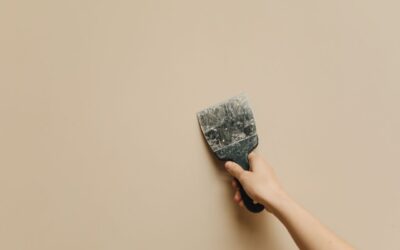
Both products go on with a putty knife, but technique differs with the job. For spackle, load a small flexible knife, press the paste into the hole, and scrape the surface flush in one or two passes so you barely have to sand. For compound over a seam, use a wider 6-inch knife to bed the tape, then feather successive coats with progressively wider knives (8-inch, then 10-inch or 12-inch) so the patch blends invisibly into the surrounding wall. Always let each coat dry fully before sanding, and wipe dust off before priming. A light hand and thin coats beat a thick glob every single time.
A Quick Decision Guide
Ask yourself two questions. First, how big is the repair? Anything pinhole to quarter-sized and shallow is spackle territory. Anything larger, deeper, or involving a seam calls for joint compound. Second, how fast do you need to paint? If you want it done in an hour, spackle. If you are finishing fresh drywall or skimming a whole wall, accept the longer cure time of mud and do it right.
Bottom Line
Both products belong in your toolkit. Keep a small tub of lightweight spackle for the inevitable nail holes and dings, and keep a bucket or bag of joint compound for taping, patching, and skim work. Matching the material to the size and type of repair is the whole game. Choose correctly and your patches dry flat, sand smooth, and disappear under paint instead of cracking, sinking, or stretching a quick fix into an all-weekend chore.