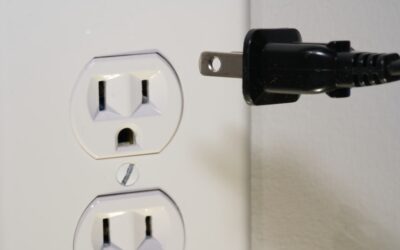
A dead outlet, a plug that falls out, or a receptacle that sparks when you insert a plug — these are among the most common household electrical issues and most are fixable without an electrician. Basic electrical outlet repair requires a voltage tester ($15-$20), a screwdriver, and 15 minutes. The key is diagnosing the actual problem before touching anything, since what looks like a dead outlet might be a tripped GFCI, a tripped breaker, or a loose wire connection — each requiring a different fix.
Dead Outlet: Diagnosis Steps
Before assuming the outlet itself is broken, check these common causes first — they account for 80% of “dead outlet” complaints:
- Check for a tripped GFCI. A GFCI outlet elsewhere in the circuit may have tripped, killing power to downstream outlets. Check every GFCI outlet in the kitchen, bathroom, garage, and exterior — press the Reset button on each one. A single tripped GFCI in the garage can kill outlets in multiple rooms
- Check the breaker panel. Look for a breaker in the half-tripped position (not fully on or off). Turn it fully off, then firmly back on. Some breakers trip without visibly moving — switch each breaker off and back on in the affected area
- Test with a known-working device. Plug a lamp or phone charger you know works into the outlet. If it works, your original device was the problem, not the outlet
- Check for a switch-controlled outlet. Some outlets (especially in living rooms and bedrooms) are controlled by a wall switch. Toggle every switch in the room while testing the outlet
Loose Outlet (Plugs Fall Out)
When plugs will not stay in the outlet, the internal contact springs have lost tension. This happens over years of use as the metal contacts fatigue from repeated plug insertion and removal. The fix is replacing the outlet — a $1-$3 part and a 10-minute job.
- Turn off the breaker for the circuit. Verify with a non-contact voltage tester at the outlet
- Remove the cover plate (one screw) and the two screws holding the outlet in the box
- Pull the outlet out gently. Note which wires connect to which terminals (take a photo for reference)
- Disconnect wires from the old outlet. If wires are backstabbed (pushed into holes in the back), insert a small flathead screwdriver into the release slot next to each wire to release them
- Connect wires to the new outlet using the screw terminals (not backstab connections — screw terminals are more reliable). Hot (black) wire to brass screw, neutral (white) wire to silver screw, ground (bare or green) to green screw
- Push the outlet back into the box, secure with screws, and replace the cover plate
- Turn the breaker back on and test
Outlet Sparks When Plugging In
A small, brief blue spark when inserting a plug is normal — it is the electrical arc as the metal prongs make contact with the energized outlet contacts. This is harmless and happens with every outlet. However, sparking that is accompanied by a burning smell, a large yellow or white spark, a popping sound, or scorch marks on the outlet cover plate indicates a serious problem requiring immediate attention.
Turn off the breaker to that outlet immediately. Remove the cover plate and inspect for melted plastic, scorched wires, or loose connections inside the box. If you find any of these conditions, the outlet needs replacement and the wiring connections need to be remade properly. If scorching extends to the wires themselves (not just the outlet), call an electrician — damaged wiring inside the wall requires professional assessment.
GFCI Outlet Repair
GFCI outlets that will not reset have either tripped due to a genuine ground fault or have failed internally. Press the Reset button firmly — it should click and restore power. If the Reset button will not stay in, there may be an active ground fault on the circuit (a short to ground somewhere downstream). Unplug everything on the circuit and try resetting. If it resets with everything unplugged, plug items back in one at a time to identify the device causing the trip.
GFCI outlets have a lifespan of 10-15 years. An older GFCI that trips randomly or will not reset even with nothing plugged in has likely failed and needs replacement ($12-$20 for the outlet). GFCI replacement follows the same process as standard outlet replacement, but pay careful attention to the LINE and LOAD terminal labels — LINE connects to the incoming power, and LOAD connects to downstream outlets the GFCI protects. Swapping these prevents the GFCI from functioning.
When to Call an Electrician
Basic electrical outlet repair — replacing outlets, resetting GFCIs, tightening connections — is safe for homeowners who follow proper lockout/tagout procedures (breaker off, verified with a tester). Call a licensed electrician for these situations:
- Burning smell from an outlet or wall, even without visible damage
- Multiple outlets on different circuits going dead simultaneously
- Outlets that feel warm to the touch when nothing is plugged in
- Aluminum wiring connections (silver-colored wire instead of copper) — requires special anti-oxidant compound and techniques
- Any work inside the electrical panel
- Adding new outlets or circuits
An electrician charges $75-$150 per hour for outlet repair, with most single-outlet fixes completed in 30-60 minutes ($75-$150 total). For multiple outlets on the same visit, the per-outlet cost drops since the service call fee is shared across all repairs.