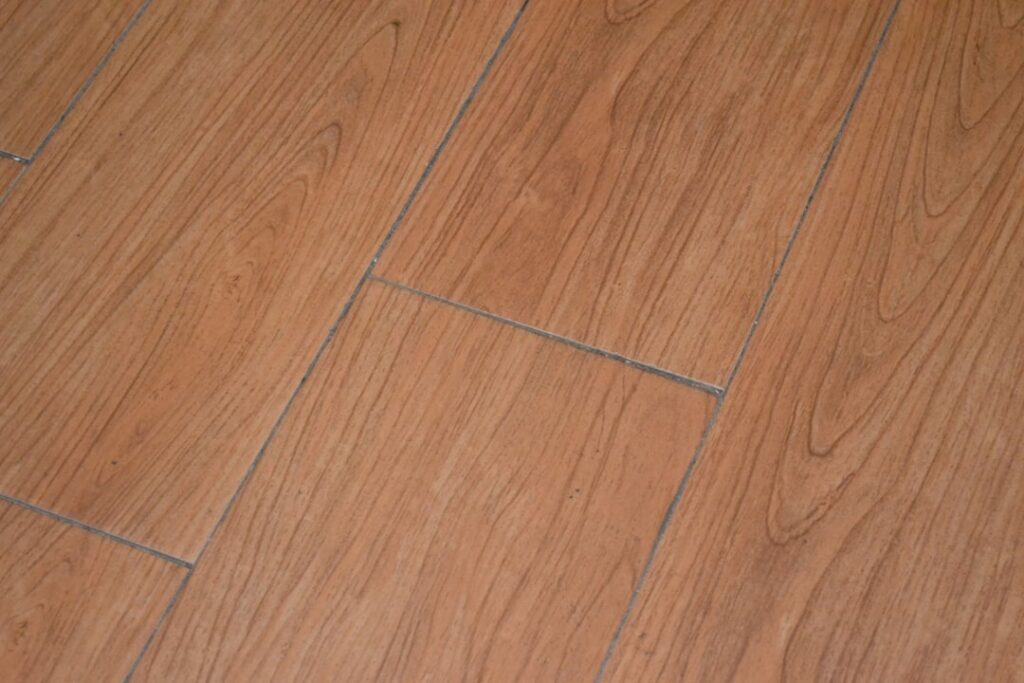
Engineered oak wood flooring is built in layers, with a real oak wear surface bonded over a cross-laminated plywood or high-density fiberboard core. That construction is the whole point: the top layer can be anywhere from 2mm to 6mm of genuine oak, while the engineered base resists the seasonal swelling and shrinking that makes solid planks cup and gap. For US homeowners who want the look of an oak floor in a basement, over concrete, or in a climate that swings from humid summers to dry winters, this product solves a problem solid wood simply cannot.
What Engineered Oak Actually Is
The confusion most shoppers have is thinking engineered means fake. It does not. The visible surface is sawn or sliced from real oak logs, so you get authentic grain, knots, and color variation. What changes is everything underneath. Instead of a single 3/4-inch piece of solid timber, the plank is assembled from three to twelve layers of wood glued with the grain running in alternating directions. This crisscross design counteracts wood’s natural tendency to move, giving you a plank that stays flat across a wider range of temperature and humidity.
Total plank thickness usually ranges from 3/8 inch to 3/4 inch. The number that matters most is the wear layer, the thickness of the oak veneer on top. A 2mm wear layer can typically be sanded and refinished once, while a 4mm to 6mm layer can be refinished two or three times across decades of use. If longevity is your priority, the wear layer is the spec to scrutinize before price.
The Real Advantages
Stability is the headline benefit. Because the core resists moisture-driven movement, engineered oak can be installed in places where solid oak is risky, including below-grade basements, over radiant heat, and directly onto concrete slabs. It also accepts more installation methods. You can glue it down, nail it, staple it, or buy a click-lock version that floats over an underlayment without any fasteners at all.
The look is genuinely premium. Since it is real oak, refinishing pros and home buyers treat it as a hardwood floor, which it functionally is. Wide planks up to 7 or 9 inches are far more stable in engineered form than in solid wood, so the trendy wide-plank aesthetic is easier to achieve without worrying about gaps. Engineered oak also arrives prefinished in most cases, with factory-applied aluminum-oxide finishes that are tougher and more consistent than what a crew can apply on site.
- Works over concrete, in basements, and over radiant heat
- Real oak surface that can be refinished if the wear layer is thick enough
- Multiple install methods including DIY-friendly click-lock
- More dimensionally stable than solid oak in wide-plank widths
- Prefinished options with durable factory coatings
The Honest Drawbacks
Not every engineered oak floor is created equal, and that is the catch. Budget products with a thin 0.6mm to 2mm wear layer cannot be sanded meaningfully, so deep scratches or worn traffic lanes mean replacement rather than refinishing. These cheaper boards also tend to use thinner, less rigid cores that telegraph subfloor imperfections and can feel hollow underfoot.
Moisture is still a limit. Engineered oak handles humidity far better than solid wood, but it is not waterproof. Standing water from a dishwasher leak or a flooded basement can still swell the core and delaminate the layers. For genuinely wet areas like full bathrooms, a waterproof vinyl or tile is the safer choice. Finally, while the surface is real oak, you are paying real-oak prices, so engineered does not always mean cheaper than laminate or luxury vinyl alternatives that mimic the look.
What It Costs
Across the US market, engineered oak flooring generally runs from about $4 to $12 per square foot for the material, with premium wide-plank or designer-finish lines reaching $15 or more. Professional installation typically adds $3 to $8 per square foot depending on the method, your subfloor condition, and regional labor rates. Glue-down installations over concrete tend to cost more in labor than a floating click-lock floor a homeowner can install over a weekend.
When you budget, account for the extras: underlayment, transition strips, trim, and roughly 5 to 10 percent overage for cuts and mistakes. A thicker wear layer costs more upfront but lowers your lifetime cost because you can refinish instead of replace, so weigh the planks by decades of service rather than the sticker alone.
How to Choose the Right Product
Start with the wear layer. For a high-traffic main floor you expect to keep for twenty years, look for at least 3mm to 4mm so refinishing stays an option. Next, check the core material. A plywood core is generally more stable and screw-holding than a high-density fiberboard core, which matters if you plan to nail or staple.
Consider the finish and the surface texture. Wire-brushed and hand-scraped textures hide scratches and pet traffic better than smooth glossy finishes, which show every scuff. Match the gloss level to your lifestyle, not just the showroom lighting. Confirm the product carries a residential wear warranty and, if relevant, approval for radiant-heat use. Finally, order a sample and live with it on your own floor for a few days, because oak’s color reads very differently under natural light than under store fluorescents.
Installation and Acclimation Basics
Whatever method you choose, acclimation is non-negotiable. Let the boxes sit in the installation room for the manufacturer’s recommended period, often 48 to 72 hours, so the wood reaches equilibrium with your home’s humidity before it is locked in place. Skipping this step is the most common cause of gapping and buckling, and it usually voids the warranty.
The subfloor must be clean, dry, and flat, typically within 3/16 inch over a 10-foot span. Test concrete slabs for moisture with a calcium-chloride or relative-humidity test before gluing anything down. Floating floors need expansion gaps around the perimeter, hidden later by baseboard or quarter-round. If any of this feels uncertain, a professional install protects both the floor and its warranty, and the labor cost is small next to the price of replacing a failed floor.
Care and Maintenance
Day-to-day care is simple. Sweep or vacuum with a hard-floor setting to remove grit that scratches the finish, and clean spills promptly so moisture never lingers. Use a cleaner formulated for wood floors rather than steam mops or all-purpose sprays, which can dull or damage the coating over time. Felt pads under furniture legs and a no-shoes habit in high-wear rooms go a long way.
Keep indoor humidity in a stable range, roughly 35 to 55 percent, to minimize seasonal movement. Area rugs in entryways trap abrasive debris, and re-coating the floor with a fresh layer of finish every several years can extend the life of the wear layer significantly. Treated this way, a quality engineered oak floor easily lasts 25 to 40 years.
Is Engineered Oak Right for You?
Choose engineered oak if you want authentic hardwood looks with better stability, an installation over concrete or radiant heat, or a wide-plank floor without the movement risk of solid timber. Look elsewhere if your space is frequently wet, your budget is tight enough that laminate or vinyl makes more sense, or you specifically want a floor you can sand many times over a century, which only thick solid wood delivers. For the majority of US homes, a mid-grade engineered oak with a 3mm or thicker wear layer hits the best balance of beauty, durability, and value. If you are weighing options for a specific room, the team at D and G Flooring can help you match wear layer, finish, and installation method to how you actually live.
Buying White Oak Engineered Wood: Wear Layer, Finish, and Grade Explained
White oak is the most requested species in engineered flooring, and it earns that spot for practical reasons as well as looks. Its pores are largely plugged by natural growths called tyloses, which makes the surface less absorbent than red oak, and its grain reads tighter and more even. It also takes modern pale, natural, and gray-toned finishes without the pink cast red oak can show. Because so many products carry the same species name, the real differences between two white oak engineered wood floors live in three specs: how the wear layer was cut, how the surface was finished, and which grade of lumber was used.
How the Wear Layer Was Cut
Thickness is only half the wear layer story. A sawn face is cut from the log like a thin board, so it looks and sands like solid white oak. A sliced face is shaved from the log and can look very similar, though it is usually thinner. A rotary-peeled face is unrolled from a spinning log, which produces a broad, wavy grain pattern that can look more like plywood than a sawn board. If you want the classic straight grain and ray fleck of white oak, ask which cut the product uses, and look for rift or quarter-sawn faces if you want the tight linear look.
Finish Type and Future Repairs
Factory urethane finishes with aluminum oxide are hard and low-maintenance, but a deep scratch generally means recoating a whole section or board. Hardwax oil and similar penetrating finishes feel more natural and can often be spot-repaired, at the cost of periodic re-oiling. Ask the retailer which maintenance products the finish warranty requires before you buy.
| Grade (names vary by maker) | What You See | Best Fit |
|---|---|---|
| Select or clear | Uniform color, few or no knots | Modern, minimal rooms |
| Character or natural | Small knots, mineral streaks, color shifts | Most homes; hides everyday wear |
| Rustic | Larger filled knots, checks, strong variation | Farmhouse styles, busy households |
Grading terms are not standardized across manufacturers, so one brand’s character grade can look like another’s rustic. Open several boxes or ask for a full-carton photo rather than judging from a single small sample.
Prefer to explore on your own?
See how new flooring looks in your actual room in seconds — free, no signup.
Try the free Floor Studio →