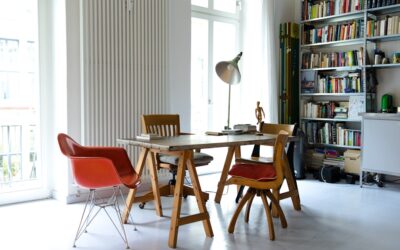
The pale, airy, almost weightless look of a Nordic interior starts at the floor, and Scandinavian oak flooring is the foundation of that aesthetic. Born of long dark winters and a design culture that worships natural light, this style favors light oak in wide planks with matte, barely-there finishes that keep the wood looking raw and untouched. It is more a finishing philosophy than a single product, and understanding the finishes is the key to getting the authentic look rather than a generic light floor.
What Defines the Scandinavian Look
Scandinavian oak flooring is built on a few consistent traits. The color is pale, from natural blonde to a cool, almost white-washed tone, achieved without the orange or yellow cast of standard oak finishes. The planks are typically wide, often 7 to 9 inches or more, and long, emphasizing clean, uninterrupted lines.
The finish is matte and natural-looking, never glossy. The goal is a floor that appears unfinished and freshly sanded, soft to the eye and the touch. This restraint is what separates true Nordic flooring from a generic light laminate; it is about preserving the natural character of the oak rather than coating over it.
The Signature Finishes
The magic of Scandinavian oak lives in specialized finishes that keep oak pale and matte. These are worth knowing by name.
- White oil: A penetrating oil with white pigment that counteracts oak’s natural yellowing and leaves a soft, matte, lightened surface that still shows the grain.
- Lye (or lye treatment): An alkaline pre-treatment that reacts with the tannins in oak to neutralize the orange tones, often followed by a natural or white oil. This is the traditional Nordic method for a raw, pale look.
- Natural matte hardwax oil: Penetrating hardwax oils give a low-sheen, natural finish that protects without a plastic film.
- Whitewash and reactive stains: Pigmented washes and reactive products that push oak toward a cooler, lighter tone.
By contrast, standard polyurethane lacquers tend to amber the wood and add sheen, the opposite of the Nordic intent, so authentic Scandinavian floors lean heavily on oils and lye.
The Advantages
This style is popular for reasons beyond fashion; it genuinely improves how a space feels.
- Brightens interiors: Pale oak reflects light, making rooms feel larger, calmer, and more open, a huge benefit in low-light spaces.
- Timeless minimalism: The understated look pairs with almost any decor and resists trend fatigue.
- Natural feel: Oil and lye finishes leave the wood soft and tactile, with visible grain rather than a plastic coating.
- Durable hardwood base: Oak is hard and wear-resistant, giving the look real longevity.
- Spot-repairable oil finishes: Oiled floors can often be touched up in worn areas without sanding the whole floor.
The Honest Drawbacks
The pale, natural finishes that define this style come with maintenance realities. Matte oiled floors show dust, crumbs, and footprints more readily than darker or glossier floors, so they suit households willing to sweep often. Light surfaces also reveal dark scuffs and spills more visibly, even though oak itself is durable.
Oil and lye finishes, while beautiful and repairable, are less impervious than a thick polyurethane lacquer. They need periodic re-oiling, perhaps every couple of years in traffic lanes, and they are more vulnerable to standing water and harsh cleaners. Authentic Nordic oak flooring, especially wide-plank European oak with these finishes, also carries a premium price. And because the look depends on keeping oak pale, the floor can gradually warm in tone over years of UV exposure if not maintained.
Engineered vs Solid for the Nordic Look
Most modern Scandinavian oak flooring is engineered, with a thick sawn oak wear layer over a stable core. This makes sense, since the wide planks central to the style are far more stable in engineered form, and it allows installation over concrete and radiant heat common in contemporary homes.
Solid oak can absolutely achieve the look too, finished on site with lye and oil, but it is more prone to seasonal movement in wide widths. For most buyers, premium engineered European oak with a 3mm to 4mm wear layer offers the best blend of authentic appearance, stability, and refinishability.
Buying Guide: What to Look For
Authenticity is in the details. Focus on finish, width, and oak quality.
- Finish type: Choose white-oiled, lye-treated, or natural hardwax-oil products for the genuine pale matte look; avoid glossy ambering lacquers.
- Plank width and length: Wide (7 inches plus) and long planks deliver the signature clean lines.
- Oak grade: Decide between a clean Select grade for uniform pale tone or a Rustic grade with knots and character.
- Wear-layer thickness: For engineered, look for 3mm to 4mm sawn oak so you can refinish later.
- European oak: European oak is the traditional and often higher-grade choice for this style.
Expect quality Scandinavian-style oak to run roughly $7 to $14 per square foot for material, with premium wide-plank lye-and-oil finished European oak reaching $15 or more.
Care and Longevity
Maintain the look by sweeping or dry-mopping frequently to protect the matte surface, cleaning with a wood-soap or oil-care product designed for oiled floors, and avoiding steam and harsh cleaners. Re-oil traffic lanes when they begin to look dry, and keep indoor humidity between 35 and 55 percent. Maintained this way, Scandinavian oak flooring keeps its bright, serene, natural character for decades, the quiet backdrop that lets the rest of a Nordic interior shine.
Designing a Room Around Pale Oak
A Scandinavian oak floor is a foundation, not a statement, and the rooms that work best lean into that calm. Pair the floor with white or soft-gray walls, natural textiles like linen and wool, and light wood or matte black furniture to build the layered, uncluttered look the style is known for.
Because the floor is so light, you have freedom to add contrast above it: a charcoal sofa, deep green accents, or black-framed windows all pop against pale oak without overwhelming the space. Keep finishes matte rather than glossy throughout to echo the floor, and let plenty of natural light reach the floor so its grain and tone read at their best. The result is the bright, breathable serenity that makes Nordic interiors so appealing.
Oiled vs Lacquered: Living With Each
The finish you choose shapes daily life with the floor. Oiled and lye-treated floors deliver the most authentic raw look and can be spot-repaired, sand and re-oil a worn patch without redoing the whole room, but they need re-oiling every couple of years and are less resistant to standing water.
A matte lacquer (UV-cured, low-sheen) gives up a little of the natural feel for a tougher, more water-resistant surface that needs no re-oiling, a practical choice for busy kitchens and families. Some manufacturers now offer invisible or natural-look matte lacquers that approximate the raw appearance while adding durability. Decide honestly how much maintenance you will do, then pick the finish that matches your lifestyle rather than just the photos.
Prefer to explore on your own?
See how new flooring looks in your actual room in seconds — free, no signup.
Try the free Floor Studio →