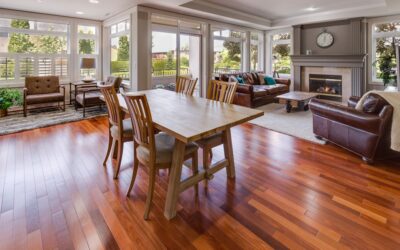
Named after the County Down mountain rising above Newcastle, the Donard oak range targets the mid-to-premium tier of engineered hardwood with European oak veneers, wide-plank profiles, and modern brushed-and-oiled finishes. Donard oak flooring sits alongside other named oak ranges (Hampton, Westminster, Highland) as a branded engineered system carrying its own specs, warranty terms, and aesthetic profile. Here is the working knowledge you need before specifying it for a real project or comparing it against alternatives at similar price points.
- What’s in the Range
- Surface Treatments Commonly Offered
- Wear Layer Tells the Story
- Pricing Reality
- Install Methods Compared
- Subfloor Requirements
- Brushed and Oiled Finish: What to Expect
- Lacquered Finish: The Alternative
- Where Donard Oak Range Works Best
- Honest Drawbacks
- Buying Checklist
- Comparing Donard to Alternatives
- Maintenance Routine
- Selecting the Right Finish for Your Lifestyle
What’s in the Range
Donard oak typically ships as engineered plank with a 3 mm to 4 mm European oak wear layer over a multi-layer birch plywood or HDF core. Total thickness lands at 14 mm to 21 mm depending on the product line. Widths run 180 mm to 260 mm (roughly 7 to 10 inches), with lengths from 1,200 mm to 2,200 mm. The wide-plank profile is the visual signature: long, broad boards with grain character allowed to read through the finish.
Surface Treatments Commonly Offered
Most Donard oak boards arrive with one of three finish treatments: brushed and oiled (a wire-brushed surface accentuating grain, finished with hardwax oil), smoked and oiled (fumed with ammonia to darken the wood through the cell structure, then oiled), or lacquered (multi-coat UV-cured polyurethane for higher wear resistance and a slight sheen). Each finish has different maintenance demands and aesthetic outcomes.
Wear Layer Tells the Story
- 2 mm wear layer: entry tier, no refinishing possible
- 3 mm wear layer: standard residential, one light sand possible
- 4 mm wear layer: premium, two to three refinishes
- 6 mm wear layer: heirloom-grade if available
For a long-term primary residence, 3 mm is the floor and 4 mm is preferred. The price difference between a 2 mm and 4 mm wear layer is usually $2 to $4 per sq ft, but the lifespan difference is decades.
Pricing Reality
- Entry Donard oak engineered (2-3 mm wear layer): $5 to $7 per sq ft material
- Mid-grade brushed and oiled: $7 to $10 per sq ft material
- Premium wide-plank with 4 mm wear layer: $10 to $16 per sq ft material
- Installation labor (click-lock or glue-down): $2.50 to $5 per sq ft
- Underlayment if floating: $0.50 to $1.50 per sq ft
Installed budgets typically land at $8 to $20 per sq ft depending on the specification tier and install method.
Install Methods Compared
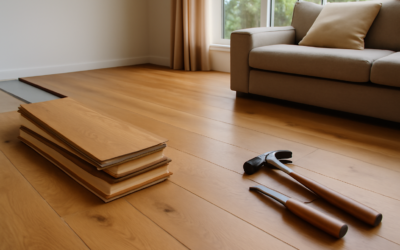
Donard oak ranges that include a 5G or i4F click joint can float over underlay. Click-floating installs in a day or two, lifts cleanly for replacement, and tolerates seasonal humidity swings well. Glue-down installation uses urethane adhesive (Bostik BEST or Mapei Ultrabond) and bonds the plank directly to the subfloor, eliminating hollow sound and supporting heavy rolling loads. Nail-down works only over plywood subfloors with thicker board profiles (18 mm or more).
Subfloor Requirements
Flatness within 3/16 inch over 10 feet is non-negotiable for any engineered hardwood. Concrete subfloors require moisture testing per ASTM F2170 with most engineered oak products capping at 75-80 percent RH. Plywood subfloors must be screwed (not nailed) and inspected for squeaks before the finish floor goes over the top. Acclimate planks 72 hours in the install room at normal HVAC conditions before laying.
Brushed and Oiled Finish: What to Expect
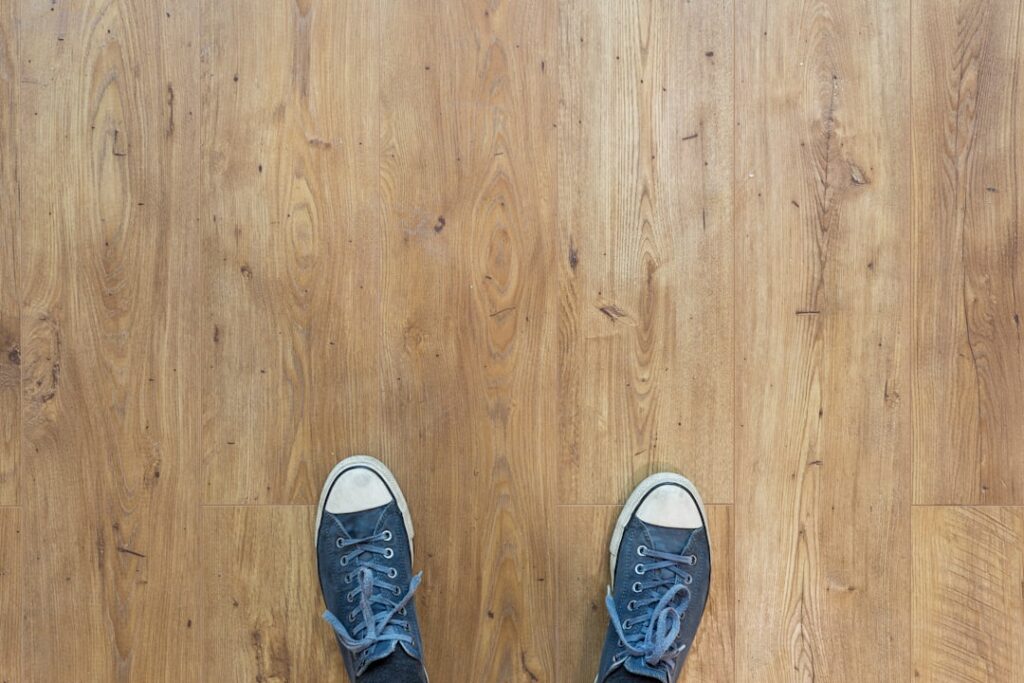
Wire brushing removes the soft springwood between the grain lines, leaving the harder latewood proud. The resulting texture feels distinctly rustic and hides scuffs and minor scratches naturally. Hardwax oils (Rubio Monocoat, Pallmann Magic Oil, or Osmo Polyx) penetrate the wood rather than forming a film. Maintenance involves recoating with a maintenance oil every 3 to 5 years and spot-touching damaged areas without sanding the whole floor.
Lacquered Finish: The Alternative
UV-cured polyurethane forms a hard film over the wood surface. Wear resistance is higher in the short term, but damaged sections require sanding back to bare wood to repair properly. For high-traffic family homes with children and pets, lacquered finishes hold up well for a decade before showing wear in main pathways. Beyond that, refinishing requires full-room sanding and recoating.
Where Donard Oak Range Works Best
Primary living areas, dining rooms, and bedrooms in mid-to-premium homes are the natural target. The wide-plank profile reads contemporary in modern interiors while the oak species and brushed-oiled finish suit period homes equally well. Engineered construction means the planks tolerate radiant heat (check manufacturer specs for surface temp limit, usually 80-85°F) and basement installations over a moisture barrier.
Honest Drawbacks
Mid-range engineered oak ranges face stiff competition from Mirage, Kahrs, Mannington, and Hallmark. Confirm the specific wear-layer thickness, core construction, and warranty term before assuming Donard offers better value. Oil finishes need real maintenance discipline; skipping the 3-5 year recoat means the floor looks tired and the spot repairs no longer blend invisibly. And wide planks (7 inch+) telegraph subfloor imperfections more than narrower stock, so subfloor prep matters more.
Buying Checklist
- Confirm wear-layer thickness in mm
- Verify core construction (multi-ply birch or HDF)
- Ask for finish warranty in years (15-25 typical)
- Check radiant heat compatibility if relevant
- Order 10-12 percent waste for the install
- Get the recommended maintenance product list in writing
Comparing Donard to Alternatives
At similar price points, consider Mirage Engineered (Canadian-made, 35-year finish warranty, 4 mm wear layer available), Kahrs Original (Swedish, well-established Woodloc joint, 3-4 mm wear layer), Mannington Mountain View (US-made, multiple wide-plank profiles), Hallmark Floors Alta Vista (US, character-grade visuals), and Boen Live Pure (Norwegian, matte hardwax-oil look on engineered). Each carries strong warranty terms and established dealer networks. Compare the specific wear-layer thickness, core type, finish system, and warranty exclusions in writing before committing.
Maintenance Routine
Sweep or vacuum with a soft brush attachment twice weekly minimum. Damp-mop with a manufacturer-approved cleaner (Bona Pro Hardwood, Pallmann Clean, or branded Donard product if available). Avoid ammonia, bleach, vinegar solutions, and steam mops, all of which damage either the wood or the finish system. Place felt protectors under all furniture legs. Wipe spills immediately. Re-oil hardwax oil finishes every 3-5 years; recoat lacquered finishes every 10-15 years depending on traffic.
Selecting the Right Finish for Your Lifestyle
For households with young children, large dogs, or significant pet activity, factory-applied UV-cured lacquer holds up best against scratches and spills in the short term. For aesthetes who prioritize natural wood character, accept routine maintenance, and want spot-repairability for damaged areas, brushed-and-oiled finishes deliver the most authentic look. Smoked finishes are best for design-driven spaces where the dramatic dark tone supports the interior concept; the smoking is structural rather than surface, so the color won’t sand off over time.
Prefer to explore on your own?
See how new flooring looks in your actual room in seconds — free, no signup.
Try the free Floor Studio →