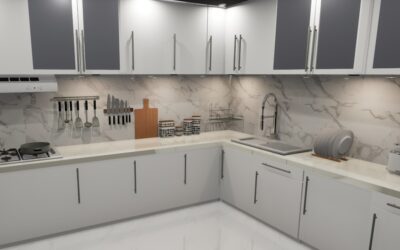
The single biggest reason oiled finishes still hold 35% of the premium hardwood market in 2026, despite a decade of pressure from UV-cured polyurethane, is repairability — a worn patch in front of a kitchen sink can be re-oiled in 4 hours without sanding the entire floor. Oiled oak flooring uses penetrating natural oils and waxes rather than a film-forming surface coat, leaving the wood grain texturally open. Expect $6.49 to $13.99 per square foot for engineered and $9.99 to $18.99 for solid oak.
What Oiled Actually Means
Oiled finishes use hardwax oil — typically a blend of linseed, tung, sunflower, and carnauba wax — that penetrates 0.5 mm to 1.5 mm into the oak fiber rather than sitting on top as a film. Osmo Polyx, Rubio Monocoat, and Saicos Hartwachs-Öl are the three reference brands, with Loba 2K Oil and Bona Craft Oil 2K competing in the professional segment.
The result is a matte to satin surface that looks and feels closer to bare wood than any lacquer can achieve. Light raking across the surface reveals the medullary rays, growth ring transitions, and individual pore openings — exactly the kind of texture designers spec when the brief calls for natural rather than polished.
Pros That Sustain the Category
- Spot repairable — a worn high-traffic zone re-oils in 2 to 4 hours with no sanding, no haze line, no full-room downtime
- Warm underfoot — open-pore surface holds 3°F to 5°F more heat than lacquered finishes during winter months
- Natural appearance — matte sheen 3% to 12% gloss reads like raw wood, photographs better in design publications
- Anti-slip texture — coefficient of friction stays at R10 to R11 even when wet, useful in kitchens and hallways
- Low VOC after cure — hardwax oils typically reach 0 g/L VOC after 7 days, friendlier for chemically sensitive households
Cons That Slow Adoption
Maintenance frequency is the biggest sticking point. Oiled floors need refresh treatment every 18 to 36 months depending on traffic — a kitchen entry strip might need a re-oil annually, while a low-traffic bedroom can stretch 4 to 5 years. The actual application is straightforward, but the schedule does not suit homeowners who want to fit and forget.
Water tolerance is the second limitation. Oiled oak handles damp mopping and quick spill response, but standing water that sits more than 30 to 60 minutes can lift the oil and stain the underlying wood. Lacquered finishes resist this better with their continuous film. Keep oiled oak out of bathrooms, laundry rooms, and pet feeding zones unless you accept the maintenance trade-off.
Hardwax Oil Brands Compared
Osmo Polyx 3032 (raw) and 3062 (clear satin) cover the bulk of the European-finished engineered oak shipped to the US in 2026. Coverage runs 270 to 320 square feet per liter on two coats, with a 16-hour to 24-hour cure between coats. Pricing sits at $74.99 to $89.99 per 750 ml tin.
Rubio Monocoat Oil Plus 2C is the single-coat alternative, designed for trade installers who need to finish a 600 sq ft room in one shift. Coverage runs 320 to 380 square feet per liter at $134.99 to $164.99 per liter. Saicos Hartwachs-Öl falls between the two on coverage and price and ships in 13 standard tinted colors useful for matching existing oak finishes.
Application and Cure Schedule
For pre-oiled engineered planks (factory finish), no application is needed at install — just lay the boards and buff the seams. For raw or site-finished oak, the schedule is two coats minimum applied with a microfiber pad or 4-inch Festool sander pad. Apply 80 to 100 ml per square meter on coat one, allow 16 to 24 hours cure at 65°F to 75°F with relative humidity 40% to 60%, then apply the second coat at 50 to 70 ml per square meter.
Full cure to walking traffic happens at 24 hours, but full hardness to furniture and area rugs needs 7 to 10 days. Skip that wait and you imprint felt pad outlines into the surface that take a full re-oil to remove.
Cost Per Square Foot in 2026
- Budget engineered oiled oak, 14 mm with 3 mm veneer: $6.49 to $8.99
- Mid-range engineered, 15 mm to 20 mm with 4 mm to 6 mm veneer: $8.99 to $12.99
- Premium designer engineered (V4, Junckers, Havwoods): $11.99 to $16.99
- Solid oak, oiled finish, 20 mm: $9.99 to $14.99
- Hardwax oil for site finishing: $0.79 to $1.49 per square foot for two coats
- Professional refresh re-oil: $1.49 to $2.99 per square foot every 18 to 36 months
- Installation labor (glue or float): $2.99 to $4.99 per square foot
Daily Maintenance Routine
Dry-mop or microfiber sweep daily in high-traffic areas to remove the grit that abrades the oil layer. Damp-mop weekly with a wood-floor-specific cleaner — Bona Hardwood Floor Cleaner, Osmo Wash and Care, or Saicos Magic Cleaner. Never use vinegar, ammonia, or pine-scented cleaners on oiled oak; they strip the wax and accelerate the re-oil schedule.
Apply a maintenance oil twice yearly in heavy-traffic zones. Osmo Liquid Wax Cleaner or Rubio Surface Care Soap renews the surface without a full re-oil and takes 30 minutes per 200 sq ft. Catch wear before bare wood appears and you stretch the full re-oil interval to 4 to 6 years.
Where to Buy Oiled Oak Flooring
Havwoods carries the widest engineered oiled oak range in the US through their Berkeley CA showroom and trade network, with the V Pure and Henley Plank collections leading 2026 sales at $11.99 to $14.99 per square foot. V4 Wood Flooring ships Osmo-finished engineered oak direct to North America with 3 to 5 week lead times. For local pickup, Lumber Liquidators (LL Flooring) carries the Bellawood Artisan Distressed Oak line at $7.99 to $9.99 oiled. Independent retailers via the National Wood Flooring Association directory typically stock 30 to 60 oiled oak SKUs each. Always pull a full sample board (not just a 3-inch swatch) and lay it in your room under your usual lighting for at least 48 hours — oil finishes look noticeably different in cool LED and warm tungsten, and the showroom rarely matches your home’s light spectrum.
Prefer to explore on your own?
See how new flooring looks in your actual room in seconds — free, no signup.
Try the free Floor Studio →